Performative compassion, or the often unconscious drive to display virtue and feel virtuous by applying absurd levels of forbearance and ‘understanding’ to different groups, is increasingly common in our civilization. While this development is closely linked to the institutional empowerment of women (and the feminization of powerful men) I want to explore the psychological origins and implications of this strange drive. As an irrational and compensatory urge it is no amenable to evidence or argument, and the more extreme and absurd the displays the more satisfying for the performers. We can only address this pathology by discussing it openly and directly. The first thing you must know is that this isn’t compassion (or empathy) at all. In many ways it’s the opposite. Suicidal empathy is rooted in very similar places. It is performed to gain social status and fill psychological and emotional voids… and it is not empathetic.
A Tidal Wave of Deeply Felt Inauthenticity
There’s a bit of a theme here: tactical morality isn’t actually morality. ‘Suicidal empathy’ is in no way empathetic. Virtue signaling isn’t virtuous. Performative compassion isn’t compassionate.
What accounts for these insincerities and misdirections? I believe it is the superficial, disenchanted nature of the modern world. We live in the grand age of social desirability bias. It reigns supreme. We’ve been given ease, wealth, comfort, and (for some of us) an immense sense of institutional certainty. But these aren’t freely given. There’s a cost, and the cost demands that we participate in systems where the old notions of virtue are at best obsolete and at worst obstructive, and that we substitute our contemporary simulacra of ‘community’ (apartment buildings, workplaces, online spaces - places where people don’t truly know or care about you, and where the old defining communal feature of mutual aid is completely absent). We are quietly nudged to pursue the well-trodden path laid out for us by the Blob, and incentivized to do so by inducements of money and status (and credentials, which straddle both categories). But taking that path for most people means we cannot be virtuous in the old ways, and it means that we cannot truly build or care about our communities as people used to do. If you make decisions based primarily on career, rank, salary, degree, and job opportunity you cannot make decisions based on other (ultimately more spiritually important) criteria. That is the great moral dilemma of our age. The uncomfortable fact, that moderates are slowly waking up to, is that centrism will keep us on our current course. And that will end in ruin.
And it’s a dilemma that most professionals have avoided recognizing. But, as is usually the case with such things, they understand what’s happening on unconscious levels. They understand that they’ve participated in shallow and corrupt organizations and that they’ve done so to gain money and status. They understand that they have no community - that they’re fundamentally alone, or perhaps have a few people in their lives who truly care and would help in the event of misfortune. They understand that they have traded their character and identity and perspective to the Blob, and been given comfort and security in return. This unconscious recognition, this constant struggle to fend off cognitive dissonance and to maintain some workably whole self-image as they move through life, creates a feeling of resentment for those who don’t take the path, and it creates a feeling of something like hatred for those who still uphold the old values and who still live in and fight for the old communities. This hatred accounts for some of the contempt that urban progressive voters feel for rural Trump voters, and for the immense sense of cultural hostility that we see in the mainstream towards pro-marriage and pro-family messages. People who feel certain that they’re right and pursuing the good for themselves and others do not waste so much time disdaining and trying to punish those who disagree - and this is particularly true if they hold most cultural and financial and political power. It is this deep sense of loss and insecurity (unnamed and completely unaddressed by our professional managerial class, or PMC) that fuels their anger and disgust.
This takes care of their attitude towards the dissenters and the opponents (the ‘other’), but what of their attitude towards themselves? There’s a reason that the PMC abhors discussing its own nature. The members of this class do not regard themselves as a class, and while their prejudices and values are deeply class-based they continually try to expand the perceived base of support. In many cases this involves adopting beliefs and policy proposals that they think should be popular among other groups (black people and immigrants being popular choices). Defunding the police was such a policy proposal. So is offering asylum claims to millions of newcomers. But defunding the police was only ever popular among the PMC, and the same is true of relaxing border security. What accounts for this determination to pretend that their worldview isn’t attached to their class position? I suspect the answer to the question lies in the recognition of this class’s character. After all, people can repress knowledge about themselves (we all do this to some extent) and people can project their fears and insecurities onto other groups, but repressing knowledge about your entire social class is much harder. Pretending that you are surrounded by brave and admirable people or that the people in your class really care about the plight of others - these are heavier lifts, psychologically speaking. And the more wasteful and inefficient and perverse (in even in their daily operations) their employers - schools and hospitals and colleges and non-profits and corporations - become, the harder it is to pretend that they’re doing good and worthwhile work.
So, the PMC offloads their admiration and their sense of virtue onto other groups. They (their own professional class) might be acquisitive and hypocritical and shallow, it’s true, but working class black people are brave and righteous and we’re doing all of this for them!We believe in their advancement and we desperately want to help them. When you apply this style of thinking to every Marxist social power binary in the West (which academia has been training people to do for decades) - citizens / immigrants; white / black; men / women; heterosexual / non-heterosexual - you have the starting ingredients of performative compassion. When this style of thinking becomes the norm in a class in which status is never acknowledged but all-important, and when your culture has thoroughly embraced feminine forms of social desirability bias (“what sounds good”) then performative compassion becomes a raging political force, deranging tax policy and immigration enforcement and the criminal justice system and more.
Much of the social history of the Western world over the past three decades has involved replacing what worked with what sounded good. In area after area – crime, education, housing, race relations – the situation has gotten worse after the bright new theories were put into operation. The amazing thing is that this history of failure and disaster has neither discouraged the social engineers nor discredited them.
To summarize: it is the class insecurities and the gnawing personal feelings of inauthenticity and timidity which afflict the PMC that account for the forms and targets of performative compassion, plus a social situation in which status is paramount and maintaining consensus enormously important. Psychological factors also play a role, as we will see. It becomes more advantageous for a person to proclaim goodwill for certain designated groups than to actually help anyone and certainly better than to ask penetrating (awkward) questions or to tell the truth. For many of these people ‘true’ has now come to be conflated with ‘socially approved,’ such that implying that an opinion is unpopular or unfashionable or poorly regarded by the PMC is enough to discredit it in their eyes (despite the terrible record this class has for correctly perceiving reality). As people pursue social approval and advantage above truth or helping others their personal sense of falsity and pettiness grows, and this is projected in the form of anger and intolerance onto those who disagree (even if the disagreeing people themselves are members of the groups targeted for performative empathy). If you’ve ever wondered why white progressives react with such searing anger to Hispanic men or Native American women who reject their agenda (and support their opponents), this is why. If you’ve ever marveled at the vitriol that white progressives have for black conservatives or libertarians (or any other critic of the administrative state) you now have some insight into what’s going on.
But we’ve barely scratched the surface.
‘Suicidal Empathy’
It was Gad Saad, I believe, who coined the phrase ‘suicidal empathy.’ By this he meant the Western (and originally Christian) impulse to lend to other cultures and peoples the same compassion and forbearance (and social privileges) that you would give to people in your community.
Dr. Saad seems to believe (as do I) that the explosion of suicidal empathy and its increasingly prominent factor in policymaking is closely linked to what he calls ‘pathogens’ of the modern academic left (“they include but are not limited to postmodernism, social constructivism, radical feminism, and cultural relativism, all of which stem from the academic ecosystem”) and to the drive for status (and away from material reality) typical of the modern professional managerial class (PMC).
I don’t disagree with any of his diagnoses or prescriptions in this regard. But I think it’s very important to emphasize that this drive is not, at its core, empathy (suicidal or otherwise) and that it is closely linked to the personal drive for wealth and status and power that characterizes most educated and professional people in our society and that characterizes virtually all large institutions.
Psychology distinguishes between affective and cognitive empathy. Affective empathy is being able to intuit and share the feelings of others - to put yourself in their place emotionally. Cognitive empathy is the ability to understand the thoughts of others - to see the world as they see it and predict their reactions to stimuli and to new situations.
Empathy would demand that you put yourself in the other’s place, as much as that’s possible. But those infected with suicidal empathy not only don’t do that (or even attempt it) - they actually project an idealized vision of character and motivation onto their favored groups, emphasizing their well-meaning natures and excusing all misbehaviors and character flaws as originating elsewhere (thereby shifting all culpability onto the ‘oppressor’ group, in the Marxist scheme, prior to any investigation). This is obviously a surreal and inhuman way to view people’s behavior, and it doesn’t work when you’re actually interacting with individuals, but these people are not. They rarely encounter the members of the groups they promote and so their idealized mental schemes remain undisturbed. Progressive leaders and agent are fine with this - all they need is the emotional attitude, and some smaller drive for action. That drive can be usefully (for radicals) channeled into street protests and voting and fund-raising, all activities that very conspicuously do nothing for the members of the groups themselves but do a great deal for the political manipulators.
Have you ever wondered why all of the tens of thousands of anti-ICE protesters devote their time to political activity and symbolic display (sign-making and Facebook posts and arguing on social media) rather than actually helping any migrants? In many cases that is because these people don’t know any migrants (and almost never more than a few)… and they don’t want to. They subconsciously want to preserve their idealized psychological depiction. It, as we will see, gives them not just social status but a great deal of personal fulfillment, helping to fill the voids left by bad decisions and by the common pathologies of modern society.
What is called ‘suicidal empathy’ is just a species of a much larger tendency, which seems to have spawned half-grown into the modern world, and which is quickly overwhelming our democratic institutions and policymaking processes. To dive into this subject deeper, though, we need to get specific. We will use an example from England, a country which is now under the control of a kind of managed decline, a soft professional totalitarianism that has proven itself resistant to popular will, traditional ethics, and costs-benefits analysis.
A Story
You live in rural England, about 2 hours north of London by car. Your town of residence contains about 8,000 people - mostly white English but a few Indian shopkeepers and Caribbean laborers. It’s a quiet, rustic place, and people get along. People tend to end up in such places either due to a deep attachment to blood and soil, or as an intentional bid to escape the costs and status games of the bigger cities. There is a larger town in the vicinity, with a small regional hospital and a college. You work in the college maintenance department.
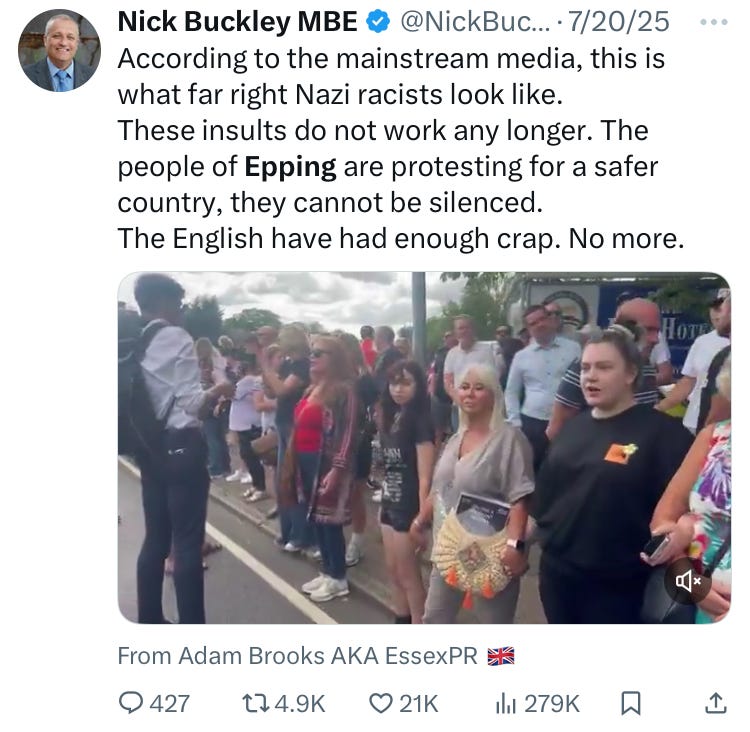
In 2024, the British government contracts a failing local hotel in the center of your town - directly next to the primary school and the few businesses and the municipal police station - as a ‘temporary’ arranged residence for asylum seekers. Within two months, the hotel has something like 300 new arrivals there. Most of them are African. About 100 are Middle Eastern, or so it seems to you. No one has endeavored to provide the town with any details about these new arrivals. One striking fact that you notice is that nearly all of the migrants - probably 80%, or more - are young men. They are adults but young and they seem to be single and unattached. Without jobs or hobbies or actual reasons for being there (other than a government program seeking to distribute newcomers all over the dying North) problems emerge quickly. Few people harbor any hostility towards the migrants at first, although common sense dictates that they’re probably not refugees (refugees from which war? What event in Eritrea or Iraq or Egypt or Nigeria could justify such a wave of diverse people, and aren’t young men usually deployed in these kinds of events… not fleeing?) and it’s immediately apparent that they have access to legal and medical resources that you and your fellow citizens do not. For example, the hotel guests (which is what everyone begins to call them) receive biweekly visits from NHS doctors and nurses, rumored free therapy and psychiatric care. Such attention isn’t available to you - not that you’d use it, at least not the pscyh stuff - and the police seem very eager to protect the hotel guests (from the residents of one of the most placid and peaceful towns on Earth?) and to mute growing dissatisfaction with their presence. This sentiment begins to kindle, after a series of very public and commonly-known (this being small town England, after all) incidents: a fight in the local grocery in which one of the men produces a knife; public drunkenness and bouts of alarming and inexplicable rage; young men hanging around the school playground.
The last problem begins to fester, and the locals - for the first time in your life - begin to feel they’re under attack. Not by the newcomers (who increasingly seem to be unhappy and sometimes rather disinhibited young men enjoying free hotel rooms and dental appointments, plus free smartphone service and a monthly stipend that is 5x what they’d be making as laborers in their home countries), but more by their own government. The police are becoming angry with you and your neighbors… for complaining. The local news stations begin to label your neighbors ‘far-right.’
At the college you begin to apprehend (for the first time) the strange and developing trend of suicidal empathy and its cousin, performative compassion. The faculty (in the conversations you overhear) seem to onlyexpress opposition to the growing local resistance to the migrant hotel. They don’t know any of the migrants - and they never venture over to meet any or to help them - but they seem certain that they’re good people. In fact, they seem more certain that these migrants are good then they do that their neighbors and countrymen are.
Are the migrants ‘good’? It seems to be a silly question… irrelevant. They’re a large group of displaced and unemployed young men from radically different cultures. They have no means to work and no prospects for (consensual) sex or property acquisition. And would anyone be surprised if it turned out that a large number of them were satisfied simply lounging around and being paid for existing? Why this drive to pretend they’re all nice, decent, hard-working folks? Almost no group of 300 people is entirely that. Some of them are probably perverts, some of them are probably violent, but even good (prosocial, productive, ambitious, empathetic - not qualities that could be considered typical in many global cultures) people can’t flourish in these conditions. The policymakers responsible for this mess have created a kind of insulated bubble (a preview of the bubble they’d like to entrap the entire society in, perhaps) in which there’s no way to earn distinction or perform paid work - so all incentives for positive behavior are erased - and in which any crime short of the most serious is forgiven and ignored - so all incentives for negative behavior are erased. One doesn’t even have to believe that their original cultures are dark and warped and (by English standards) partially barbaric - which they are - to have doubts about whether there might be trouble in introducing 250 unvetted, foreign young men into this smallish rural town. But of course one does believe this. Everyone does. No one seems to be arguing with it - they simply call you names for describing their cultures and imply that people will surely act different now that they’re on what is to them foreign soil.
The fact that this kind of data isn’t just objected to but is treated as completely inadmissible - that even viewing and discussing social science data is seen as a kind of thoughtcrime - tells you a great deal about the true psychological roots of the suicidal empathetic mindset
A group of strange and varied foreign young men, about which almost nothing is known, and for whom all incentives to regulate and constrain behavior have been removed. To your mind it doesn’t require xenophobia or bigotry to see a massive policy liability here.
But the academics at the local college seem determined to ignore (not address, not debunk, but ignore) all of these objections. You see posts on Facebook and hear conversations in the staff lounge and there’s even a small demonstration (on campus, of course) later in the month. And everyone seems thrilled at the presence of the migrants and disgusted at local discomfort.
You wonder: how could this be? How could an entire half (or more) of an important and complicated dialogue be completely absent… among hundreds of educated, worldly people? How could there be such apparently uniform consensus around such a dangerous topic? Why does it seem that these people are gleefully and intentionally embracing the policy choices which are most risky for their own communities?
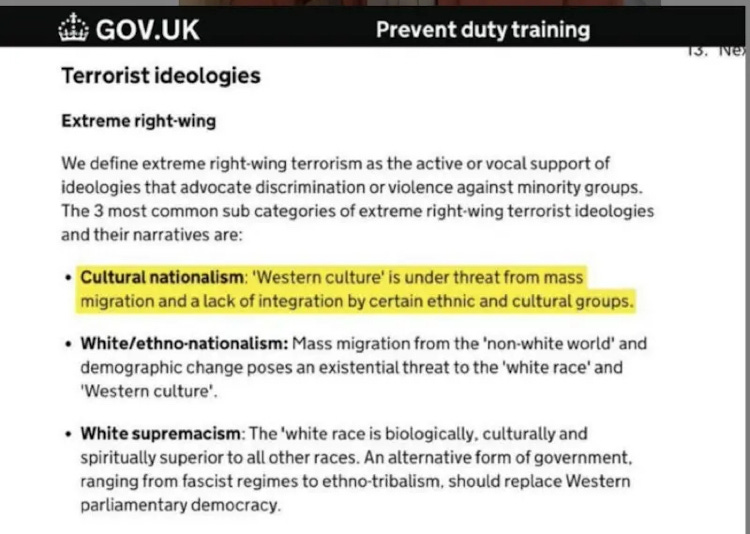
My beliefs are considered ‘extreme right-wing’ by the British government… as are the views of about 40% of British citizens.
In the story above, we see both tendencies on full display:
performative compassion - the drive to express care or ‘allyship’ for some designated group or identity category, without actually doing anything to help the members of the category, and in full denial of any possible difficulties or policy objections
and
suicidal empathy - the belief that ‘disadvantaged’ groups (but only those which can be politically leveraged to achieve progressive political success) deserve not just the basic considerations of respect and open-mindedness but an extra social bonus: the presumption that these groups and their members are benevolent, competent, honest, and prosocial. If it is proved that they are not this reality must be ascribed to some social force beyond their control (and untied to their group), usually one that can be associated with whiteness/maleness/capitalism/Western civilization.
In other words, suicidal empathy is the Marxist ethical scheme transplanted onto the feminine desire to display goodness and achieve social consensus, such that complicated and difficult policy questions can leverage the emotional naivete of Western people and the discomfort with objective standards and consequences and judgment of cherished groups that is common among women.
Women & Feminization
Feminization is its own huge topic, about which much has been written. I don’t think it’s necessarily tied to or driven by women themselves. But when it comes to performative compassion and suicidal empathy, these seem to be largely female-generated developments. It is possible that these are political ideas which are exploiting quirks of female social psychology to change (undermine) Western institutions.
Is it a coincidence that the vast majority of anti-ICE protesters and Facebook posters I’ve seen are older white women? Is it a coincidence that the vast majority of judges that are tied to controversies after releasing some dedicated predator onto the streets after a nonsensically lenient sentence are women?
Meanwhile…
Is it a coincidence that performative compassion has become deeply encoded into our institutional DNA (media, the academy, education, film & television, finance, even the military) at the same time that women have achieved unprecedented (and in many institutions, dominant) organizational power? It’s probably impossible to say. But we can take a brief and searching look at some aspects of female social psychology, and how they might be driving these trends.
Stunted Mothers and Ugly Ducklings
The man in the photo above is Joshua Cottrell. In 2003, Cottrell was arrested and charged with murder in the Kentucky death of Guin “Richie” Phillips. Cottrell claimed that Phillips had made aggressive sexual advances against him, and that he’d accidentally killed him while defending himself. This was somewhat undercut by the fact that he’d bought a large (human-sized) duffle bag a week before the crime, and dumped Richie’s body into a public lake.
During his trial, the jury rejected the murder charge, but convicted Joshua Cottrell of second-degree manslaughter. The judge sentenced him to the maximum of 20 years. In prison, Cottrell seems to have learned the proper attitude for a convicted killer and became adept at mirroring it. In a Facebook video, Joshua discusses his journey of ‘recovery.’ He never discusses the crime for which he was convicted, but he mentions a prison therapist that “really helped him.” Joshua was able to “open up” about his feelings. This is the kind of glib, modern psychobabble that especially appeals to women (who often feel that expressing feelings and being true to oneself are of the highest importance, rather than changing behavior) and in this case the message seemed to appeal to one woman in particular.
In 2025, Cottrell was arrested in connection with the stabbing deaths of 37-year-old Kayla Blake and her 13-year-old daughter, Kennedi McWhorter. Kayla had been dating Joshua for about a year after his release for the earlier killing. She was a registered nurse who worked in the field of substance use disorder treatment, and she’d chosen to allow Cottrell into her home to live with her and her teenaged daughter.
Kennedi and Kayla
This is a particularly egregious (probable) example of what can be called the ‘ugly duckling’ dynamic: women sometimes seek broken and outcast people to ‘fix’ - often in the context of a romantic relationship - and care for, getting a kind of internal fulfillment from the behavior. There’s an even more common tendency among women of attraction to dangerous (exciting) and antisocial (independent) men. Data indicates that narcissistic and antisocial traits are actually a net positive in the dating market, particularly for younger women. If millions of women can make such bad decisions (on the basis of emotion and psychological inadequacy) in their personal lives, could this tendency bleed into their worldviews and their policy positions? And if so, to what extent?
But the drive towards dangerous and dysfunctional people might be mostly isolated to romance, and it’s only demonstrated in a minority of women. The maternal urge, however, is much more common and deeply-rooted. The teleology of women is to be mothers, even more so than the teleology of men is to be fathers (most males have not produced children throughout the history of our species). If these new social trends were linked in some way to maternal urges they could be profound indeed.
These are indisputable facts:
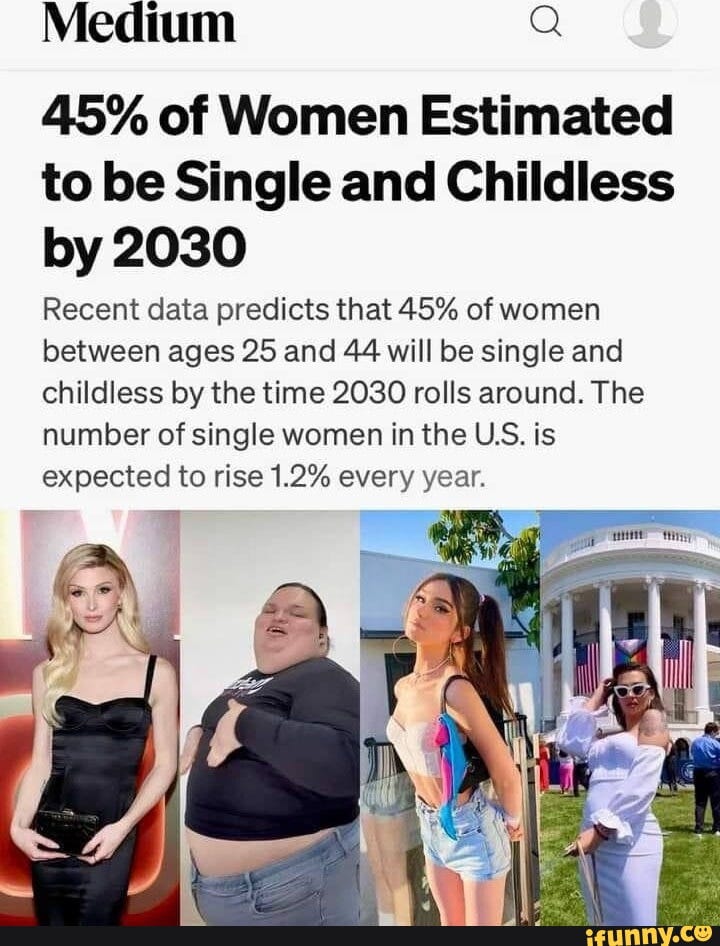
more women are single and childless (usually given the Orwellian label “child-free” in legacy media) than ever before
these metrics go up for progressive women. So either progressive women are ending up without children, or women without children are more likely to adopt a progressive worldview, or some combination of the two (or they’re both tied to some indeterminate third factor)
women (not all, but most) have a natural urge to protect and help the weak
Bring a puppy around women, or a baby, or even a round little stuffed animal. You will often see an irrepressible reaction, a kind of instant melting. This is a shallow indication of the maternal urge, and it’s very strong in women. It had to be, to override the natural human instinct for self-preservation (which would cause women to abandon or neglect their children, as many men do).
This urge can be applied to entire groups. If the vulnerability and righteousness and benevolence of a group is continuously emphasized by media or cultural producers, large groups of women can come to project their maternal feelings onto these groups. They want to aid and care for and protect them. Since this is the modern world, they won’t generally take any action in this regard but that’s not necessary. In fact, it’s completely counter-productive (from the perspective of utopian subversives). If women actually got out and formed attachments and created a community with these ‘sympathetic’ people, the artificial and maladaptive generalized feelings would fade in many cases, replaced by healthier and more sensible attitudes. The emotional reaction must stay linked to the group, it must be abstract, and it must be mediated by cultural signals and social status.
If the emotions of many women can be manipulated, they can come to take an irrational attitude towards large groups of strangers which is driven by a kind of warped maternal instinct. This tendency might become even greater amongst a population of childless women. After all, these instincts are intended (evolutionarily speaking) to be applied to your children and the children of your community. While a kind of general concern for infants of all backgrounds and races is probably normal and healthy, the imposition of this urge onto groups of adult strangers cannot be adaptive, especially when it threatens the children of your community (as it often does, at least marginally).
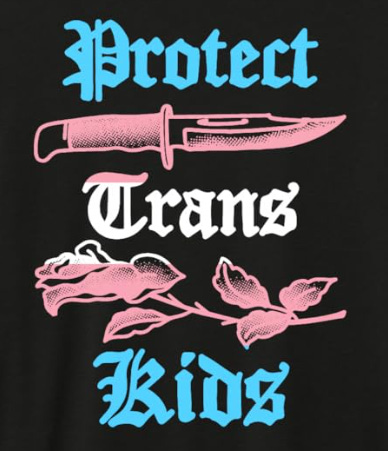
In the United States this warped maternal drive has been successfully applied (among progressive women) to black people, LGBTQ+ people (especially minors… “protect trans kids”), migrants, and (to a lesser extent) criminals.
The fact that a substantial (perhaps one fourth) share of all non-gang-related mass shootings in the United States in the past 5 years have been committed by trans people gives the choice to include a weapon in this graphic a slightly different meaning…
It is striking that these are all the groups that are being actively leveraged by progressive activists to drive policy change. They aren’t the most vulnerable groups in society, or the most disadvantaged (schizophrenics? addicts of drugs or gambling or alcohol? orphans?), and this deep sense of compassion never actually leads to any actions. Very few people actually try to help poor black people or migrants or gay men, aside from the political activism and organizing (which often hurts the individuals and communities in question, but helps the progressive agenda). This is understandable. Rich, white, progressive women wouldn’t necessarily be safe in very poor black or migrant neighborhoods. Perhaps more to the point, venturing there would puncture their rosy narratives of vulnerability and well-meaning natures. They might come to see that most people, of any group or class, tend to reap the consequences of their own decisions and behaviors. They would certainly notice that some of the people they’re weeping and melting over are actually quite bad: psychopathic, manipulative, predatory… hated by their own fellows. It’s much easier to feel an overwhelming sense of pity for large groups of adult strangers when you’ve never actually met any, especially if your feeling of pity is driven by media portrayals and delusion.
The feeling is enough, for the women themselves and for the progressive coalition. The feeling drives voting, incites activism (but rarely the kind of activism which directly benefits communities or forces activists to interact with them; more so the kind of activism that is helpful for the DNC and which allows for a kind of self-righteous play-acting), and is totally invulnerable to amendment by anecdotes or new or complicating information. This is why progressives get so angry when you mention trans school shooters or black recidivists or alien predators. They tell themselves and others it’s because these anecdotes (which no one is claiming are inaccurate) will generate ill-will and ignite bigotry, and perhaps there is something to that. But the emotional reaction is generated by cognitive dissonance, by the feeling of profound discomfort felt by people who are dangerously close to realizing that their misapprehensions are just that, and that their childishly naive preconceptions are harming individuals and communities.
This is why I believe that spreading sensational stories of violence by the groups that have been designated as ‘redeemed’ in the progressive moral cosmology is so important. Not because I want people to hate or fear these groups. I do not. I don’t hate or fear them… but I’m beginning to hate the superficial and detached voters and policymakers who are disregarding all notions of logic and justice in the administration of our laws and norms. I want rich progressives to be confronted with the consequences of their delusions. I want them to see the costs of their never-ending quest for psychological validation and social status. We pay that cost, and the cost is rising every day.
The State of Us
These - performative compassion and suicidal empathy - are the driving dynamics behind the wild headlines that you see, which are difficult to account for if you’re applying a traditional policy costs/benefits frame, or treating the American electorate as a voting whole. The same strange mimetic growth can be seen across the West (and nowhere else), all linked to women, richer voters, and progressives. This is a kind of politico-cultural masochism, a way to signal to others and to reassure oneself that you are a kind and compassionate person because you repudiate basic norms like zealous punishment for violent crimes, immigration controls, and deportations.
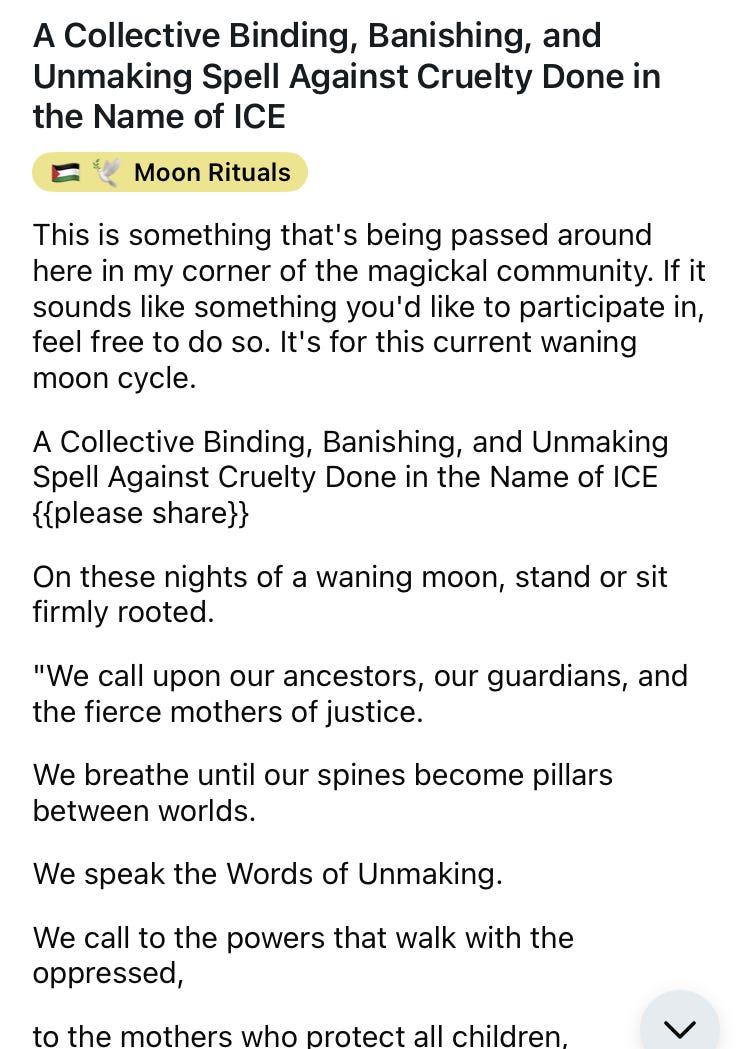
This kind of thing is very popular in female spaces. More to the point, it’s never resisted or pushed back against. The social signals are clear, and they’re being intensified by the hivelike aspect of feminine social media use.
See? Lots of vague words and nice thoughts, advertised by a high-status woman to other women. Does anyone care if they actually work?
The fact is that we have a growing number of people who intentionally embrace ideas and policies and candidates because they are bad for the mainstream, because they inconvenience or endanger white people, because they will cost the nation money and trouble and lives. This is worse than misapprehension or democratic decay or demagoguery. It is frank and blatant civilizational suicide, and it is increasingly framed as such - even by its advocates. They believe that by inviting aliens to our country and generously assisting them and excusing them and by refusing to punish the citizens already here who’ve refused to conform to our laws and by deleting all standards and norms and mechanisms of accountability - they believe that these will improve our societies (eventually), that the crime and disorder and fear will magically fade away, as the state is expected to after the achievement of a true Marxist dictatorship of the proletariat. But we don’t have to imagine or fantasize to understand what will happen. We have a compelling kind of natural experiment which is carried out whenever cities initiate bail reform or establish a kind of de facto amnesty for ‘low level’ crimes (juvenile carjackings in Washington D.C., shoplifting in San Francisco, drug possession in Portland). We have access to the very countries and cultures that our newcomers arrive from. There seems to be little doubt that more excusal and accommodation and leniency and generosity will only result in more disorder and crime and danger.
Or perhaps they don’t believe it. Perhaps they promote these ideas because they make them feel (temporarily, slightly) like good people and because they’re popular in their social circles. Perhaps that is enough.
If this is true it shouldn’t be surprising that reason and evidence aren’t convincing to the bail reformers and to the multiculturalists and to the anti-ICE demonstrators. They are trapped in a world of status signals and feminine consensus. They would rather seem compassionate than promote policies which keep our communities safe. They would rather feel like nice people than uphold rules and laws which every functioning country finds necessary. Part of me almost hopes they get the things they’re seeking, even if it drags us all down to hell with them. Of course, by then there will nobody to say “I told you so” to. The civilization that fed and nurtured and protected them, and the intricate status hierarchy that they so assiduously courted, will be gone.
And with it the greatest cultural mode which has ever existed in human history. Ultimately, we all collectively get the social systems we deserve. There’s a reason delusion and shallow naivete are so discouraged, as psychological traits: they are profoundly dangerous.
Recently I am asking myself if suicidal empathy is the "natural" end phase of free and prosperous societies...
If you guarantee in a free society women access to institutions, they will become more feminized and therefore suicidal empathy and virtue signaling spread.
If you deny women access to institutions, the freedom is gone.
I want a free society without pushing women back - but I also don't want the western civilization to disappear.




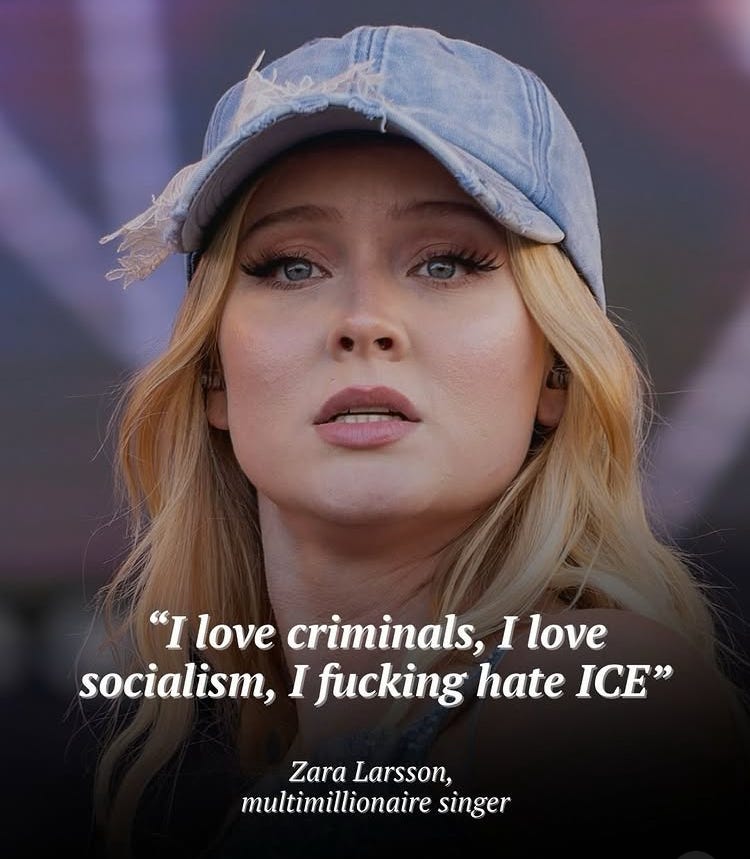
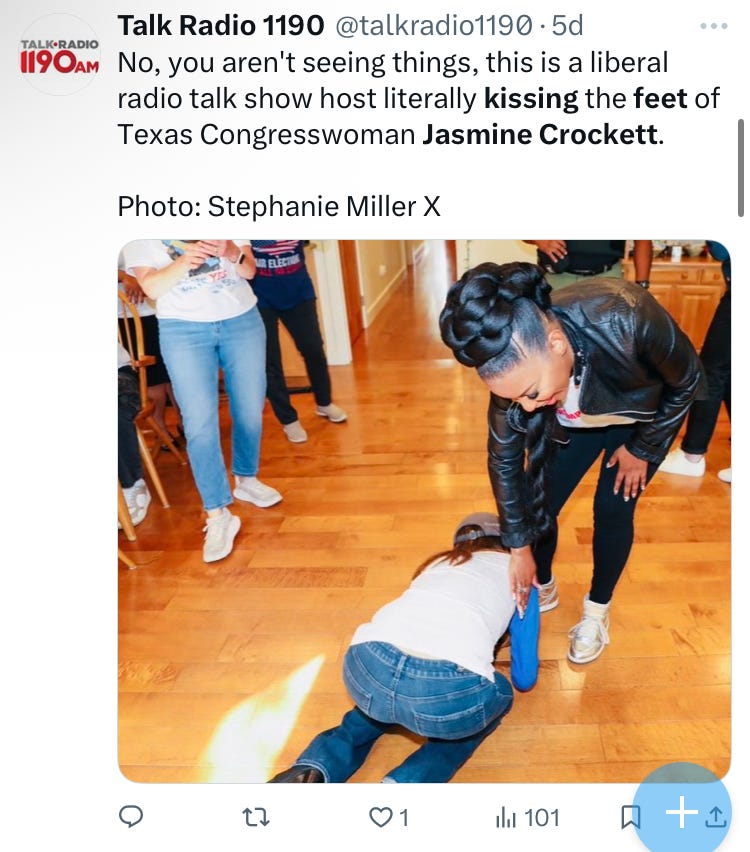

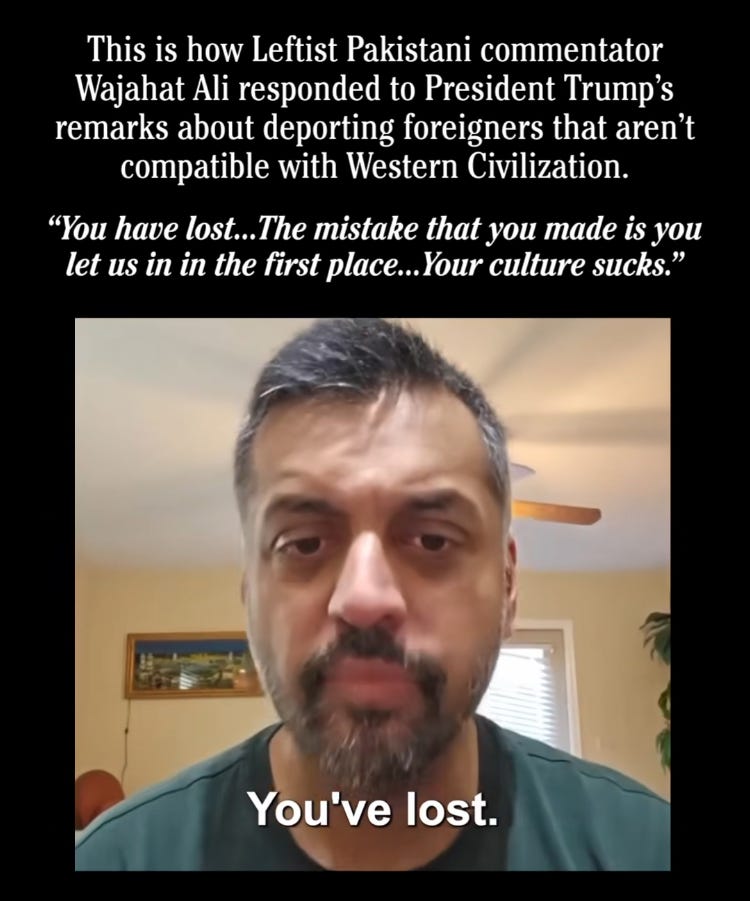
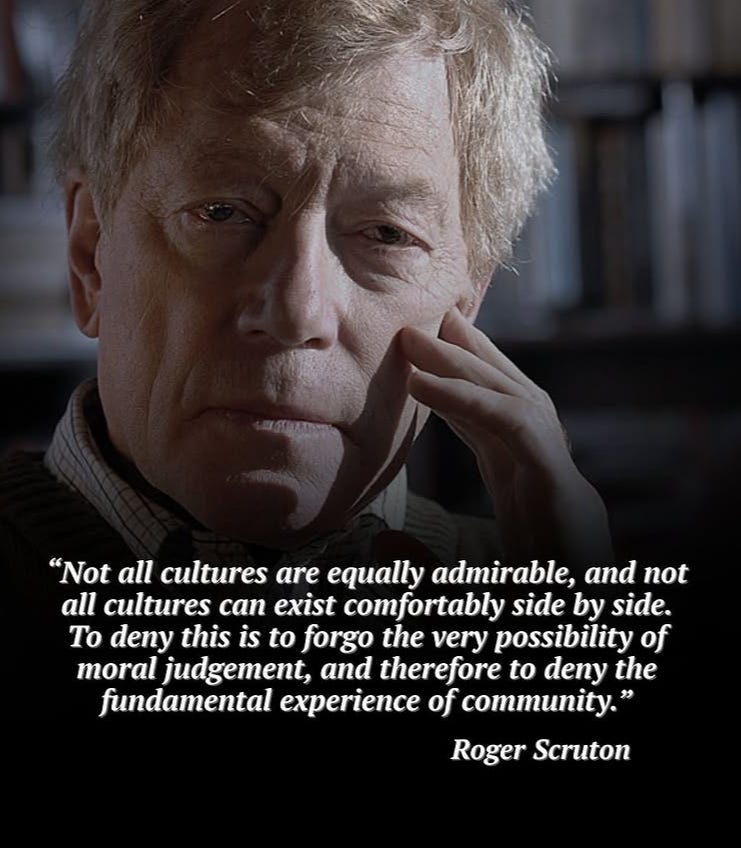



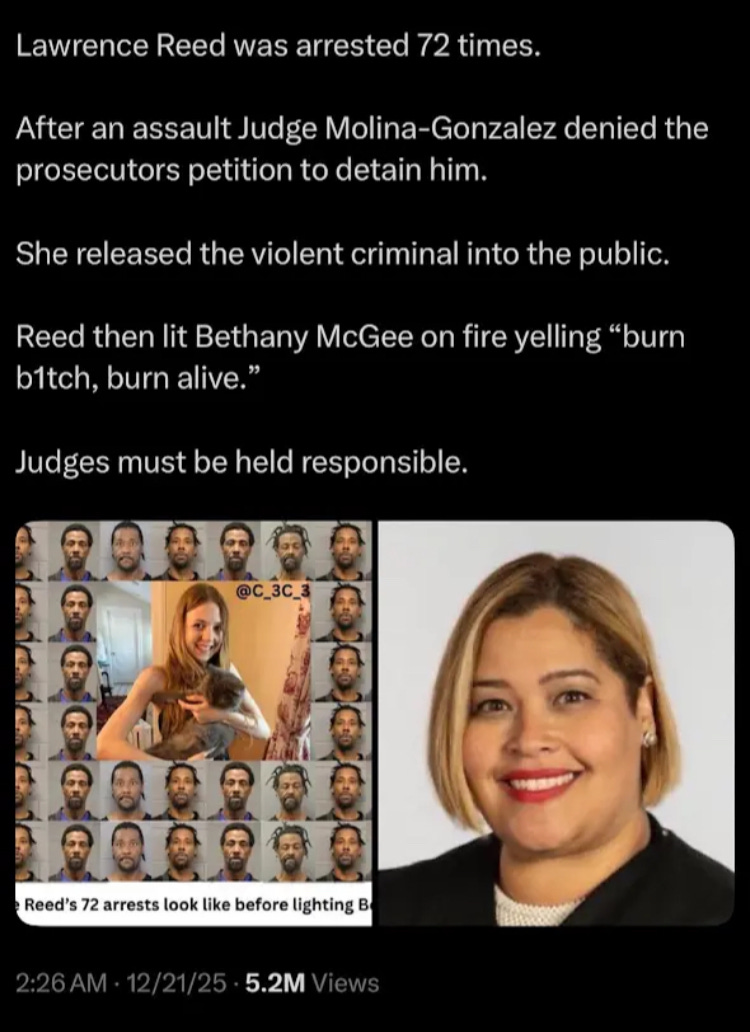
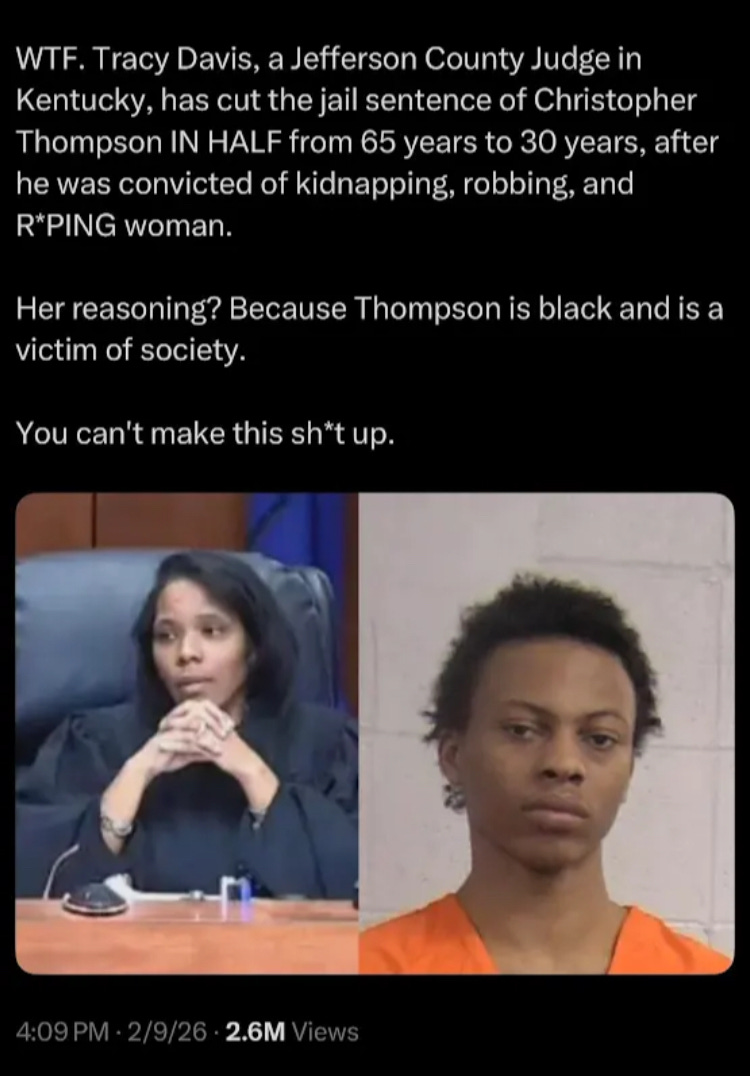
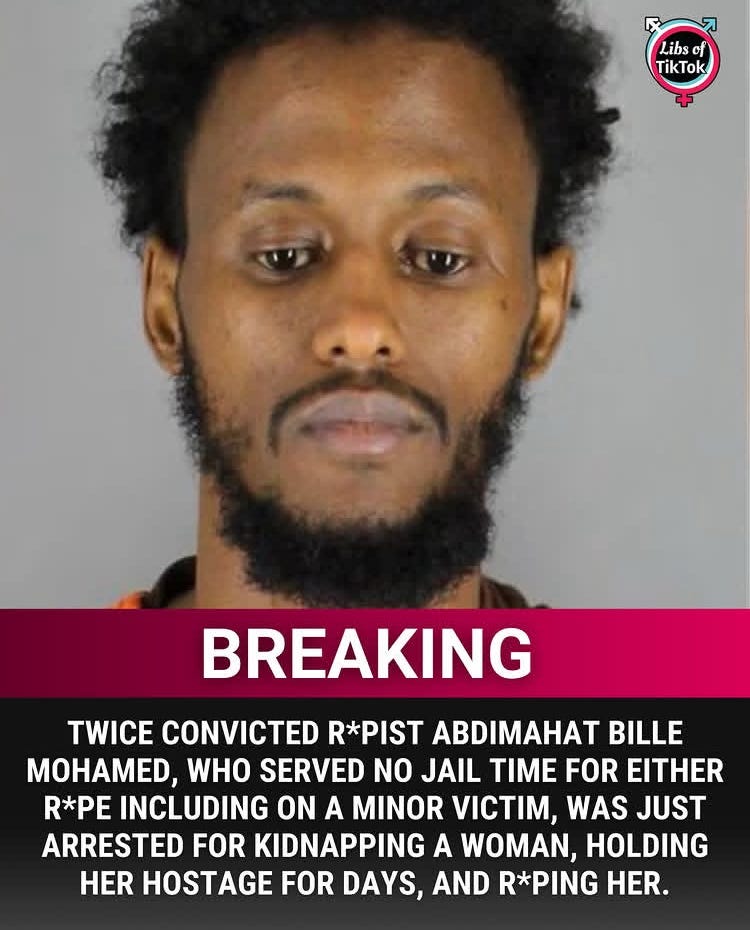
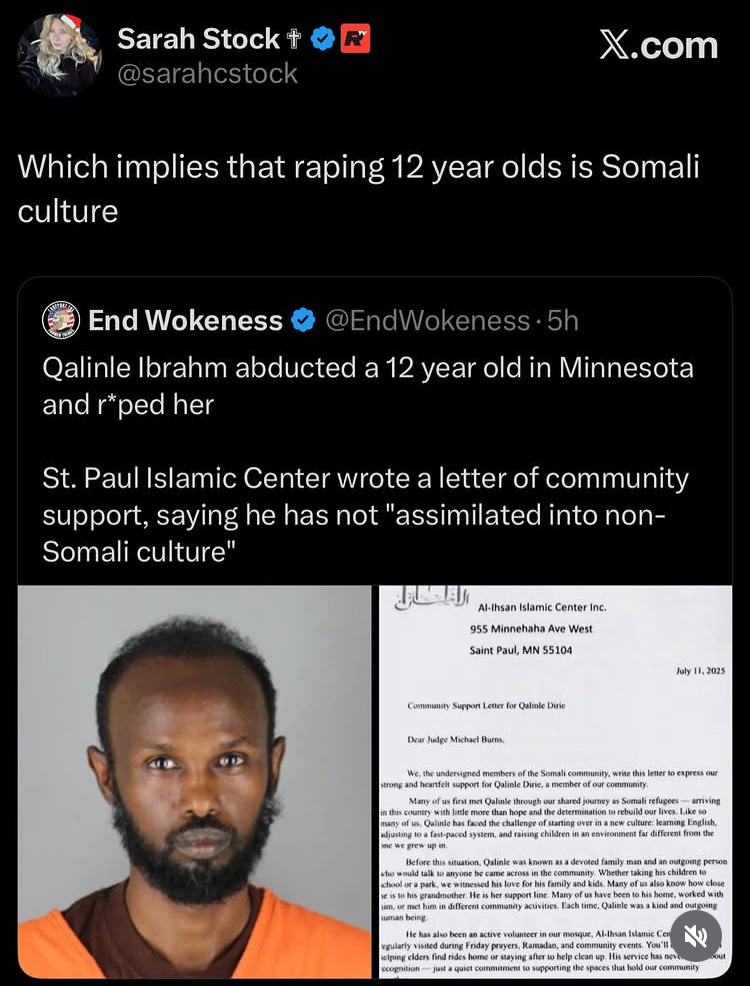
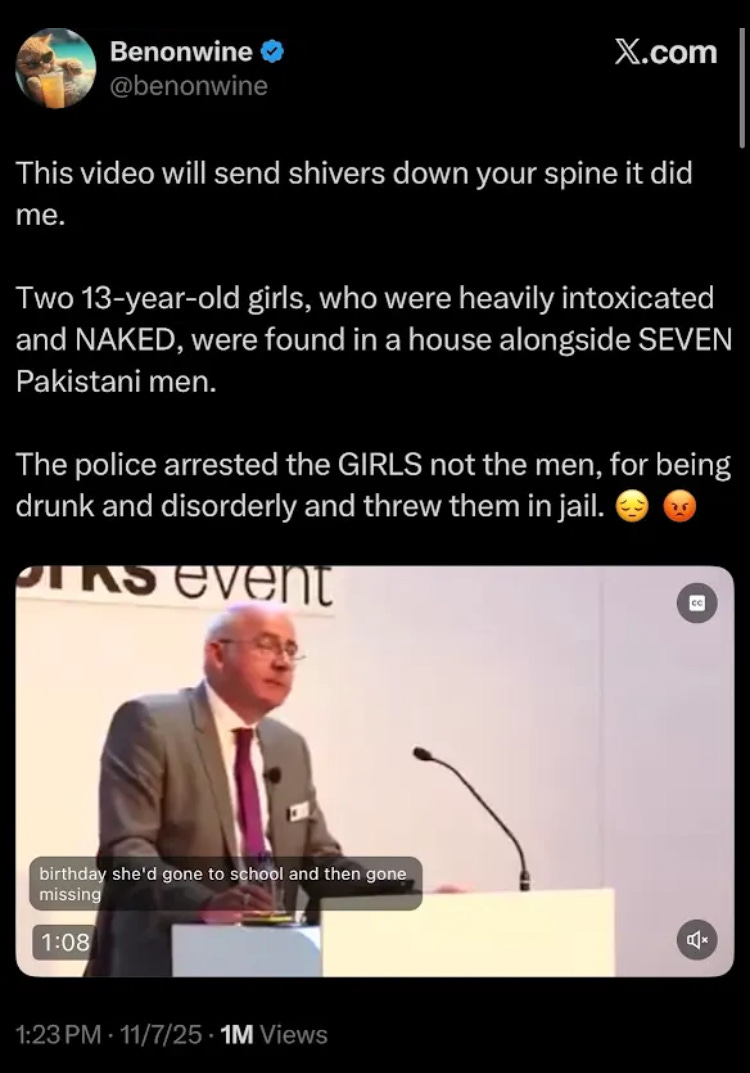
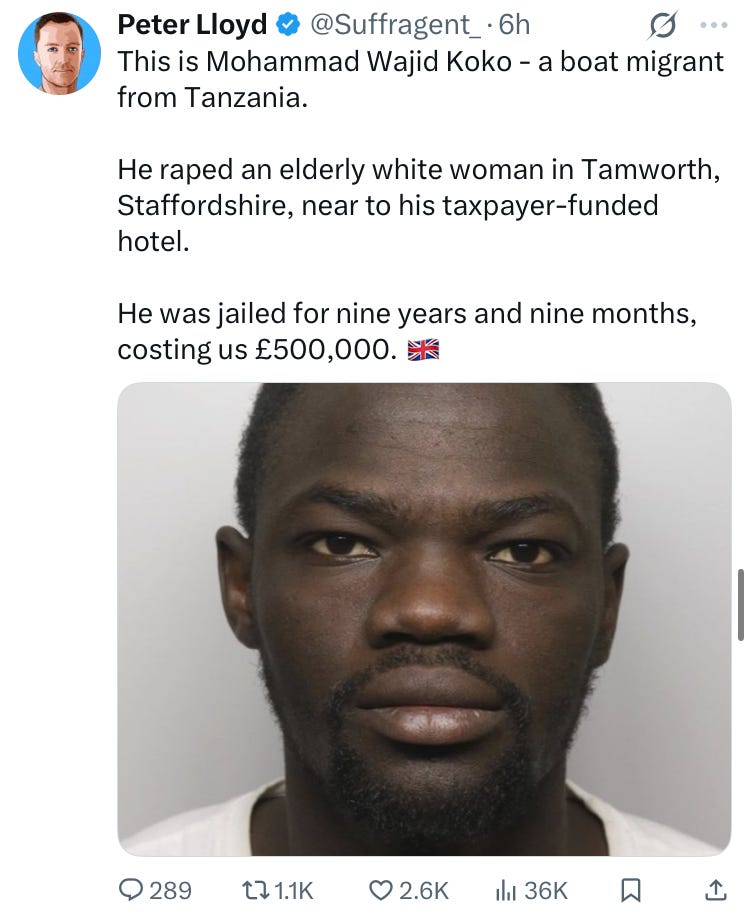
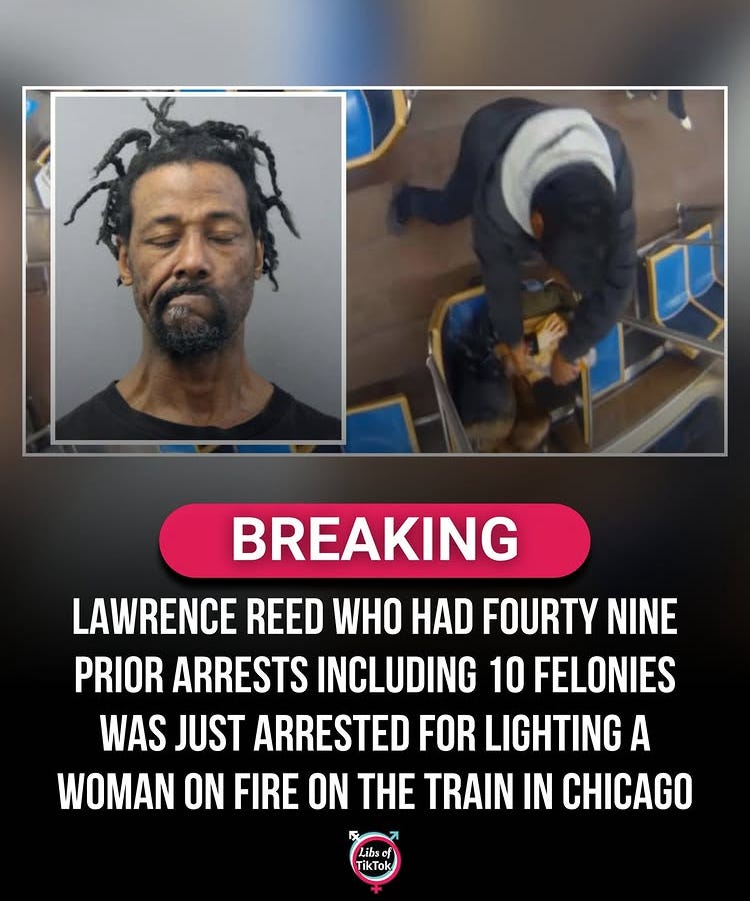
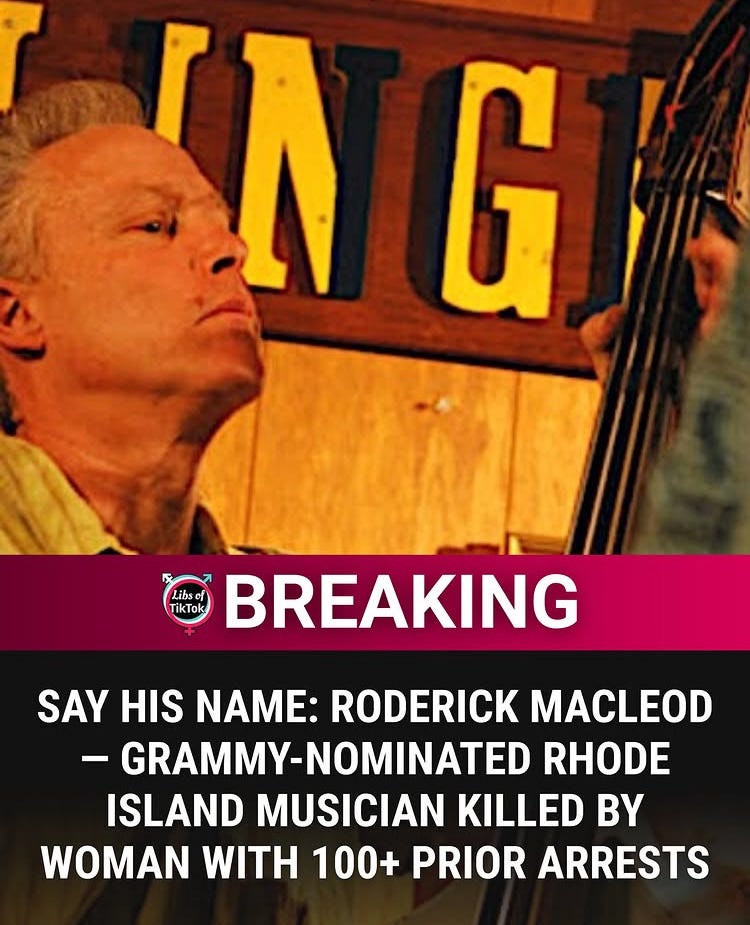
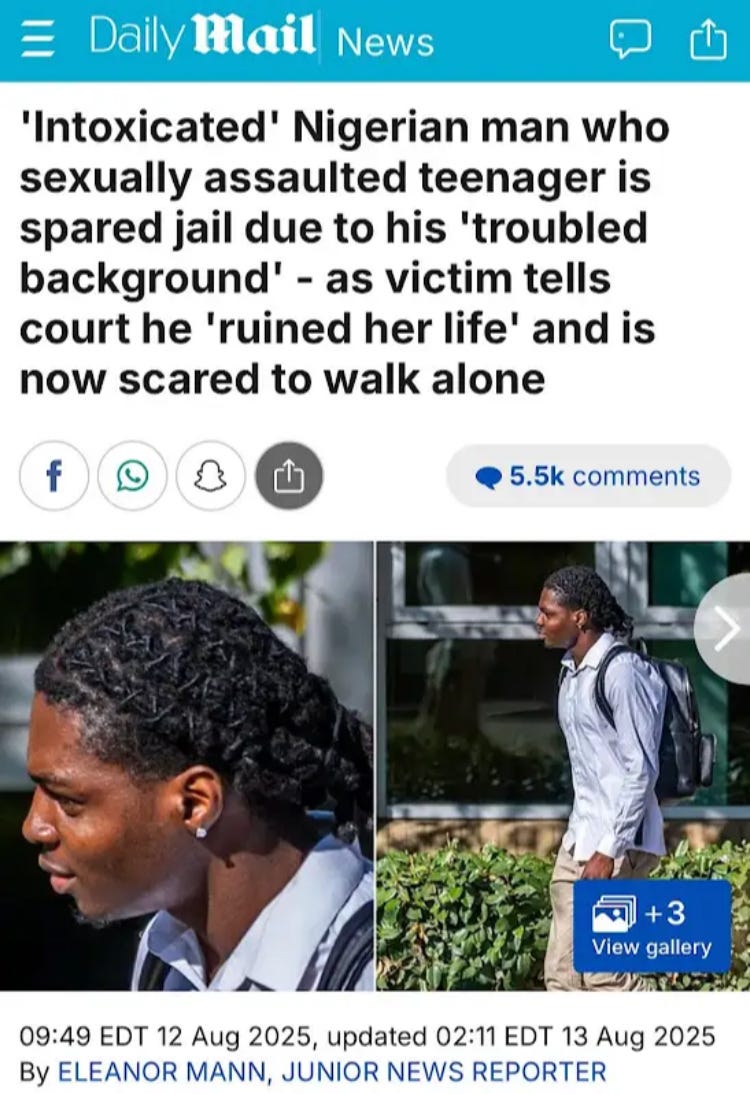
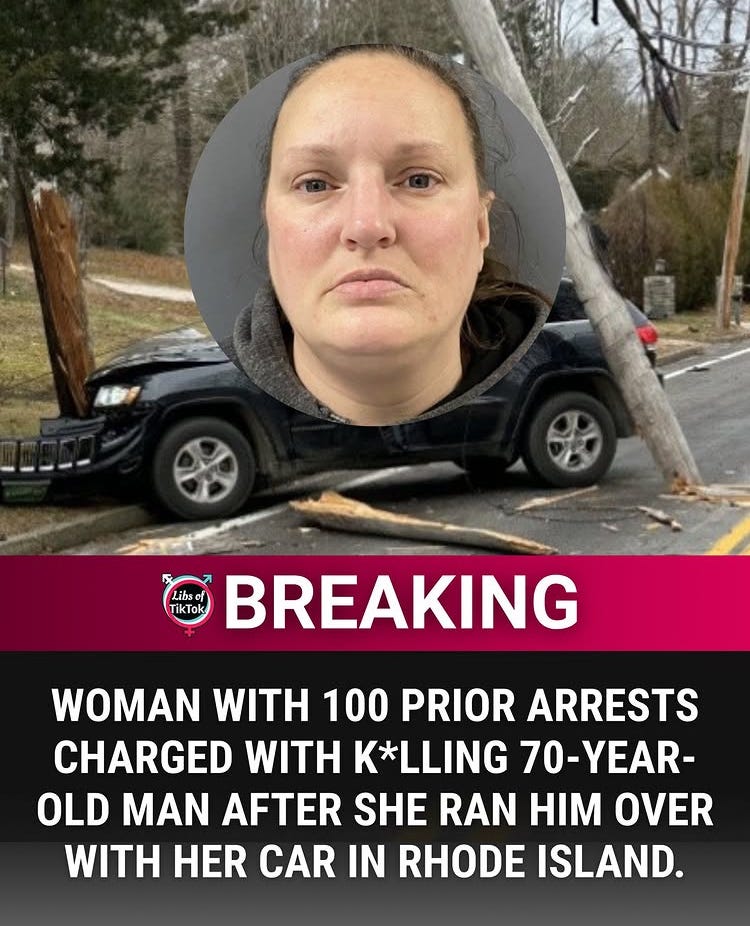

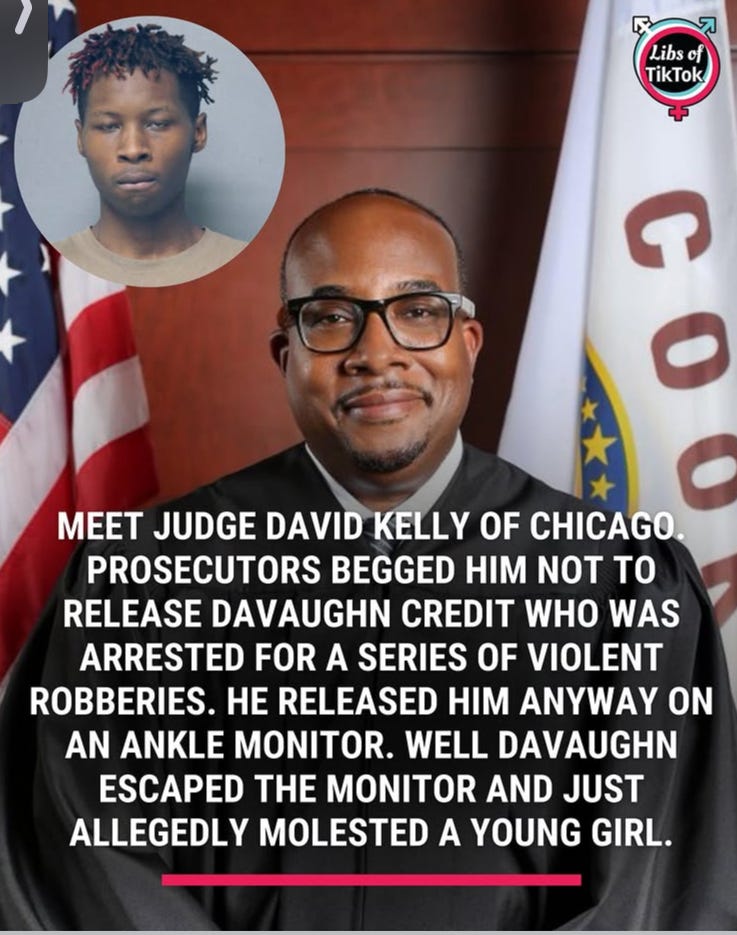
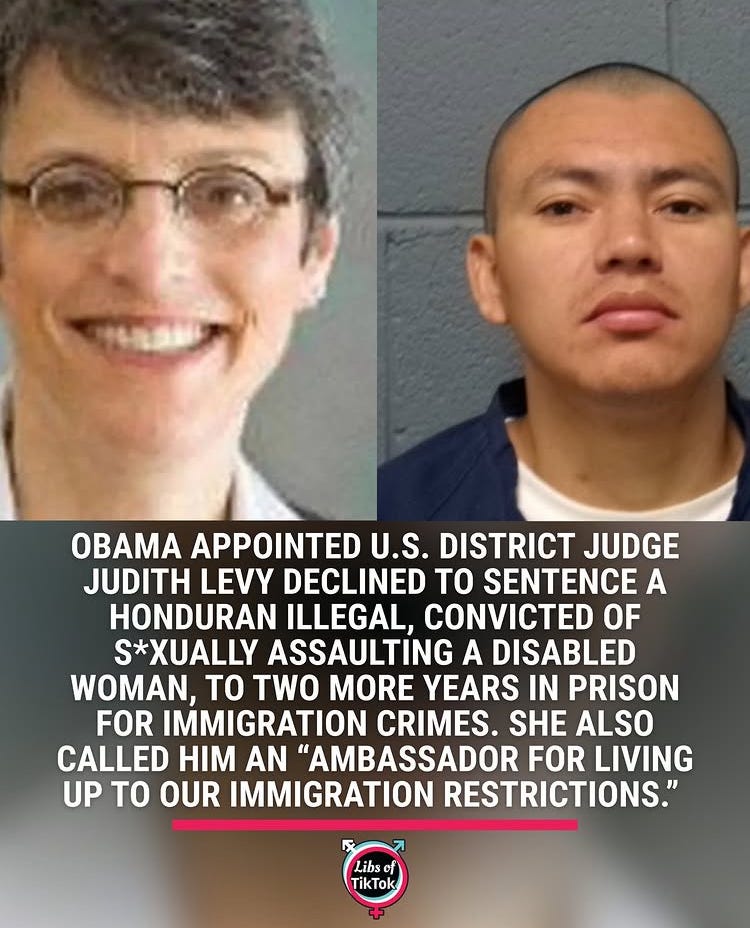
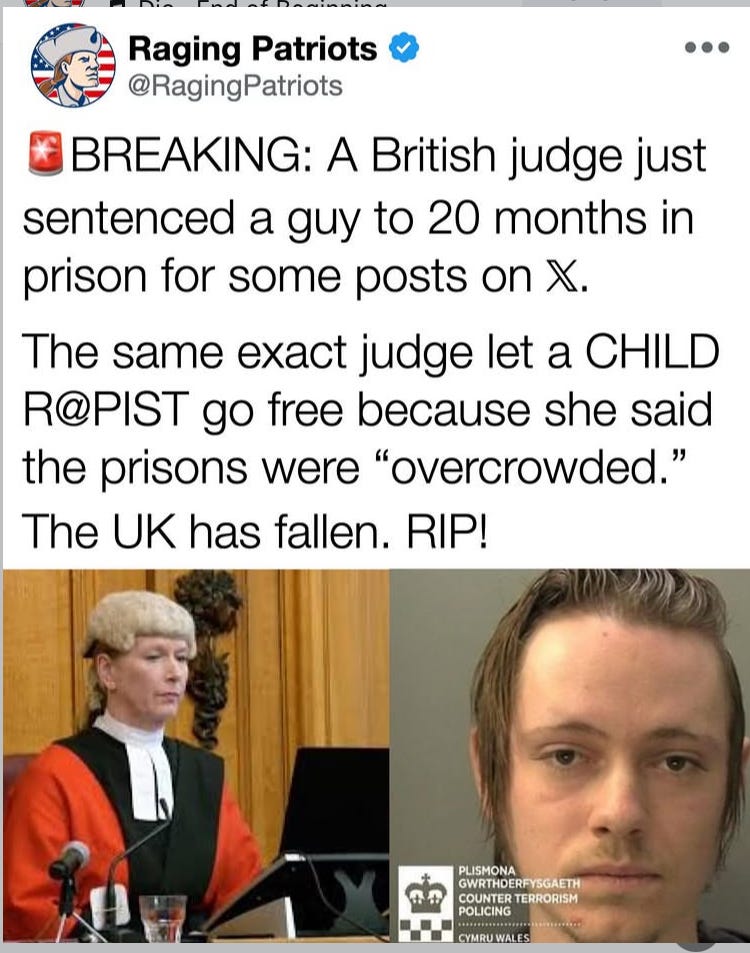

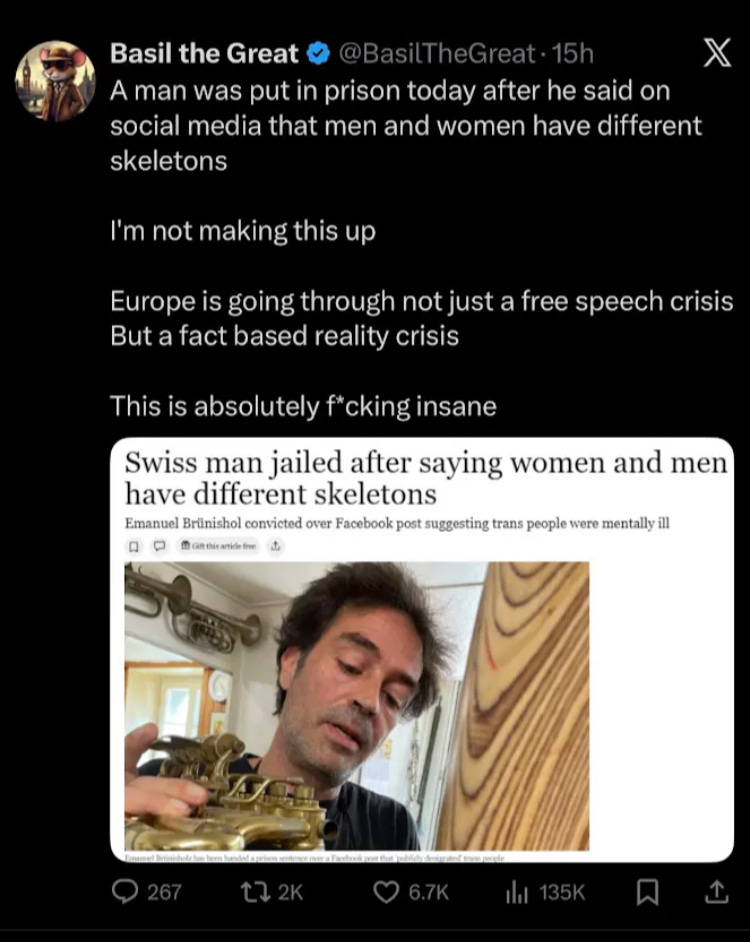
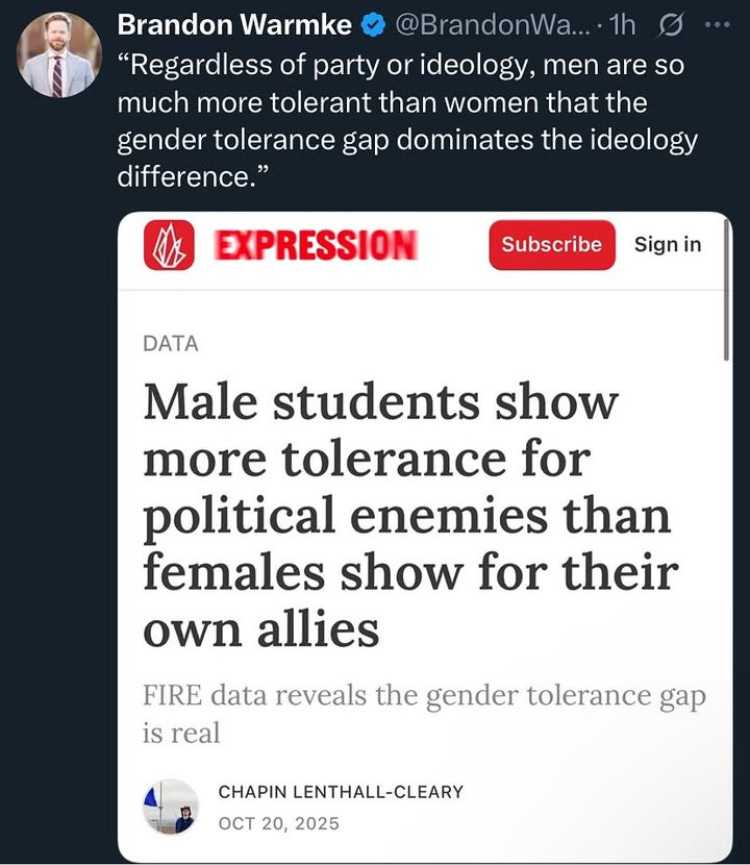
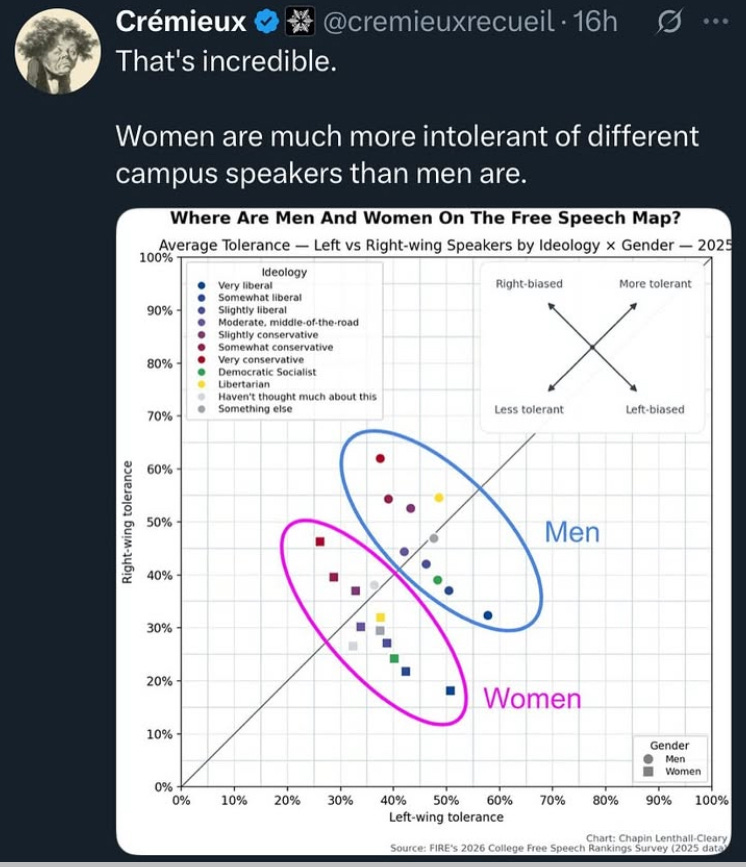
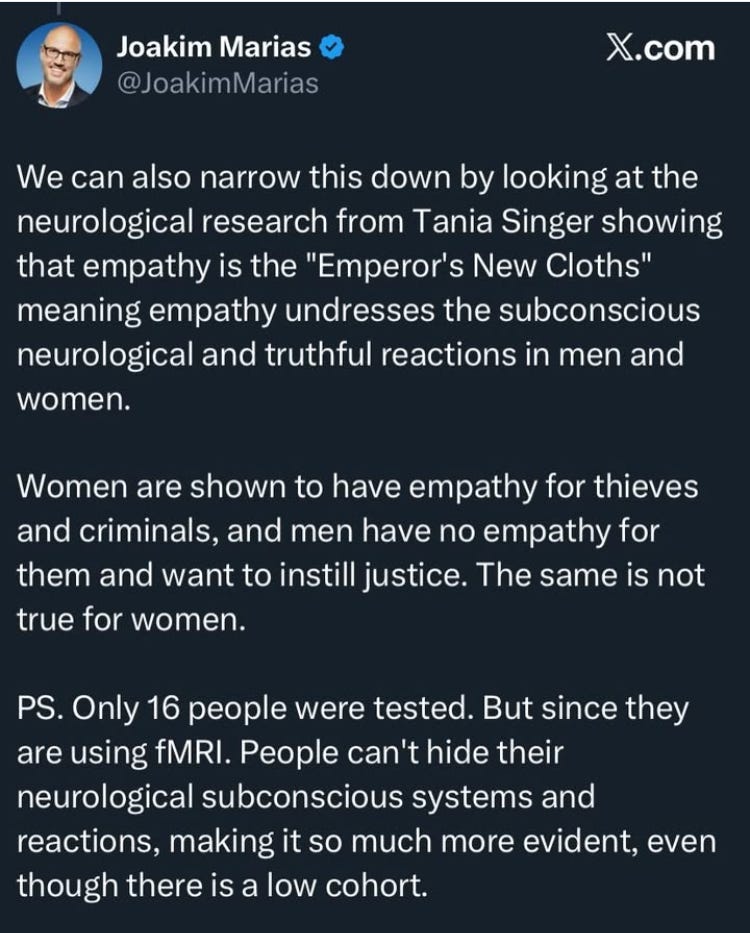
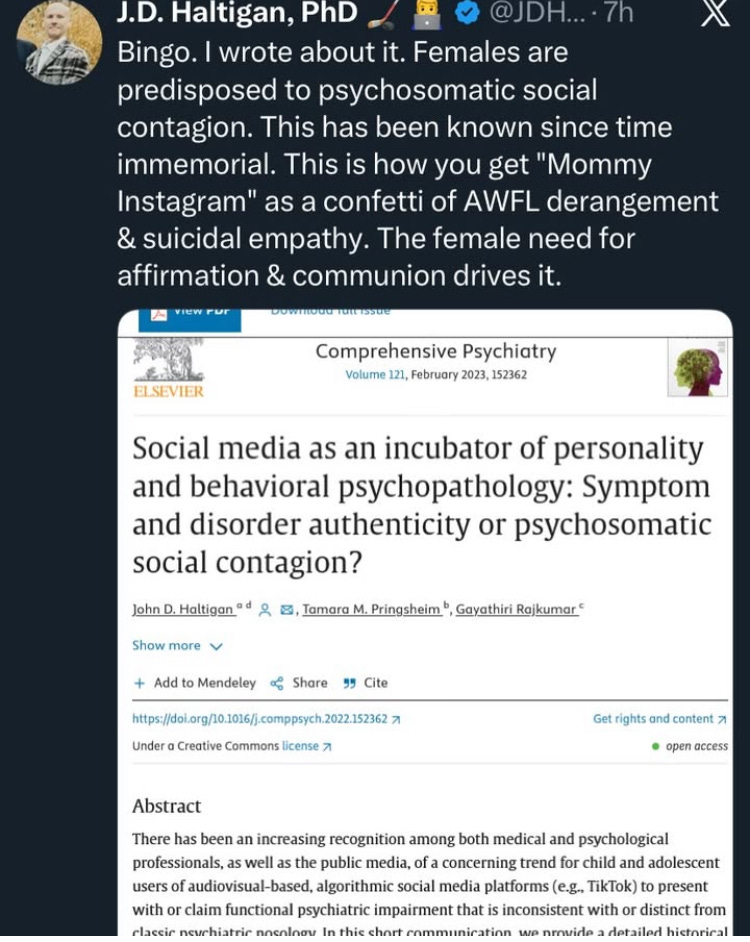
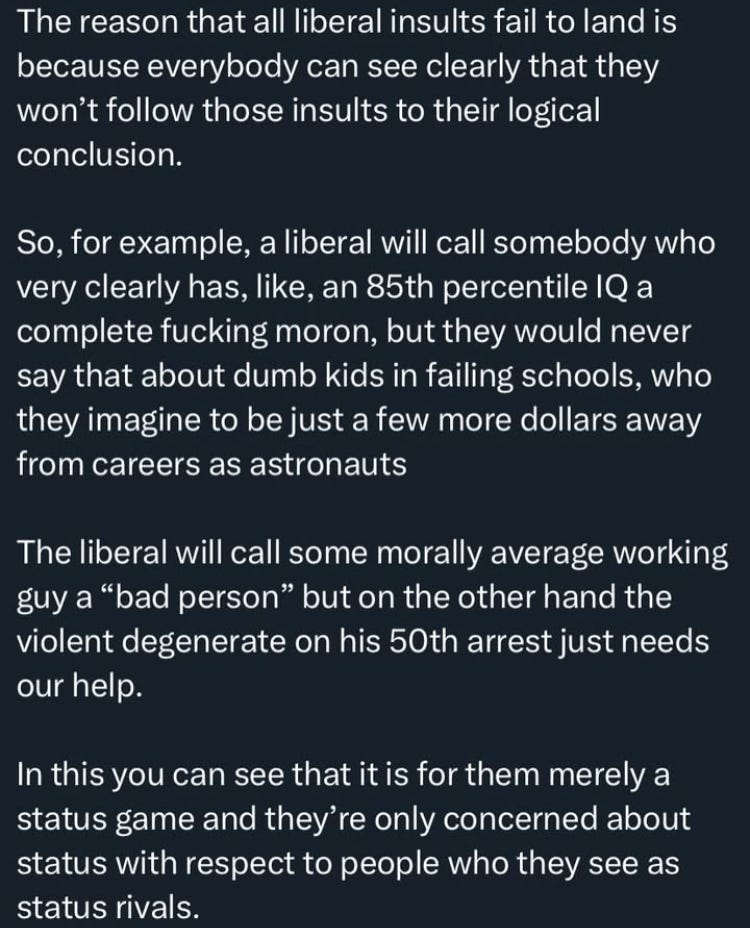
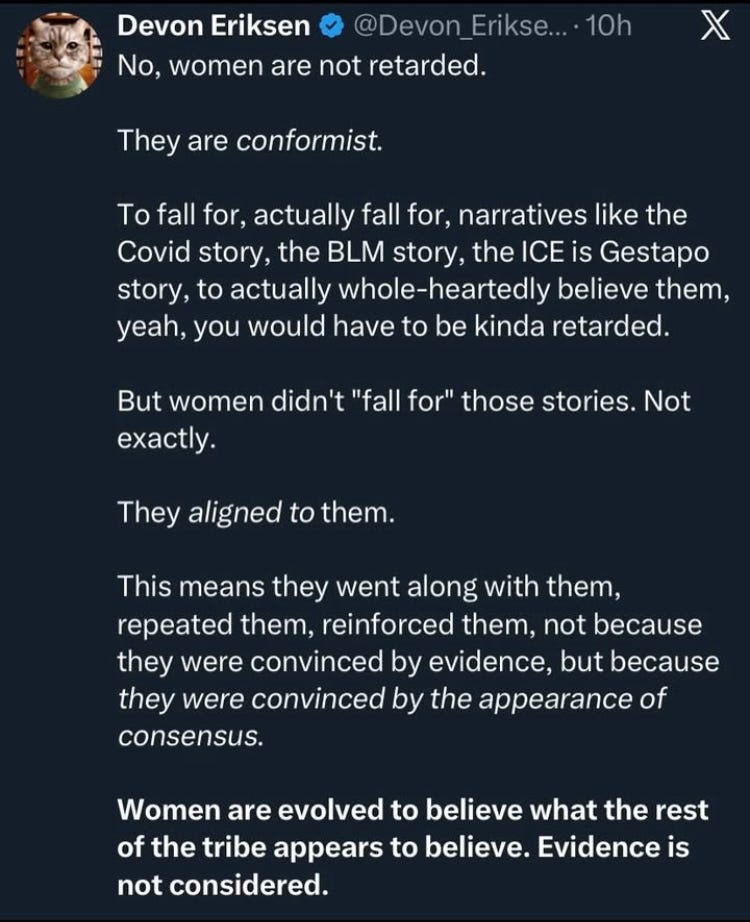





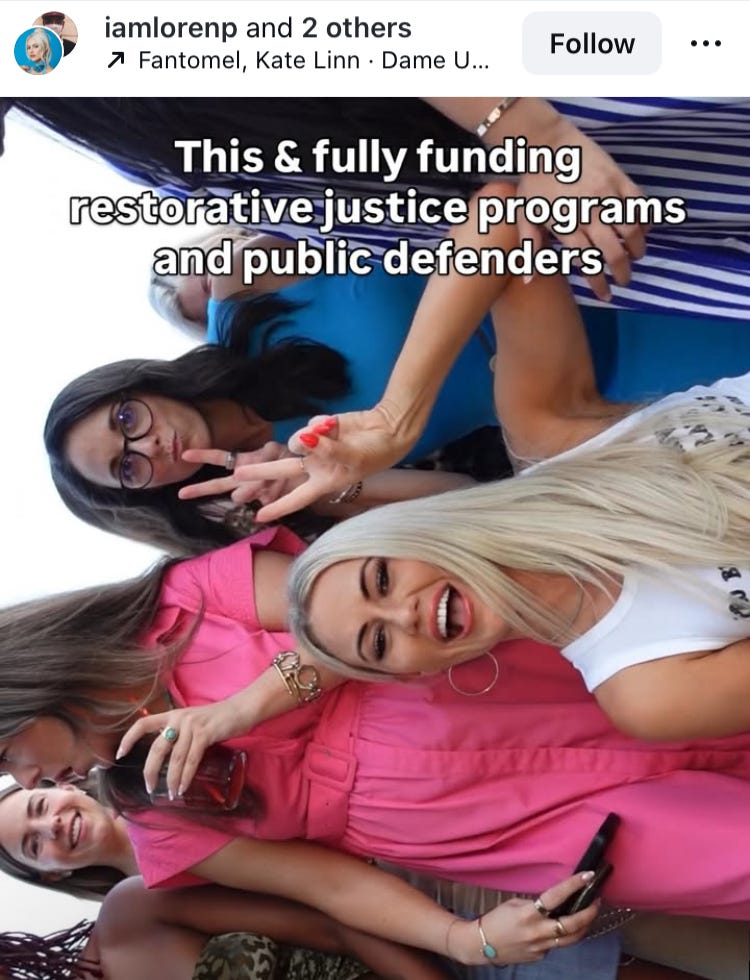
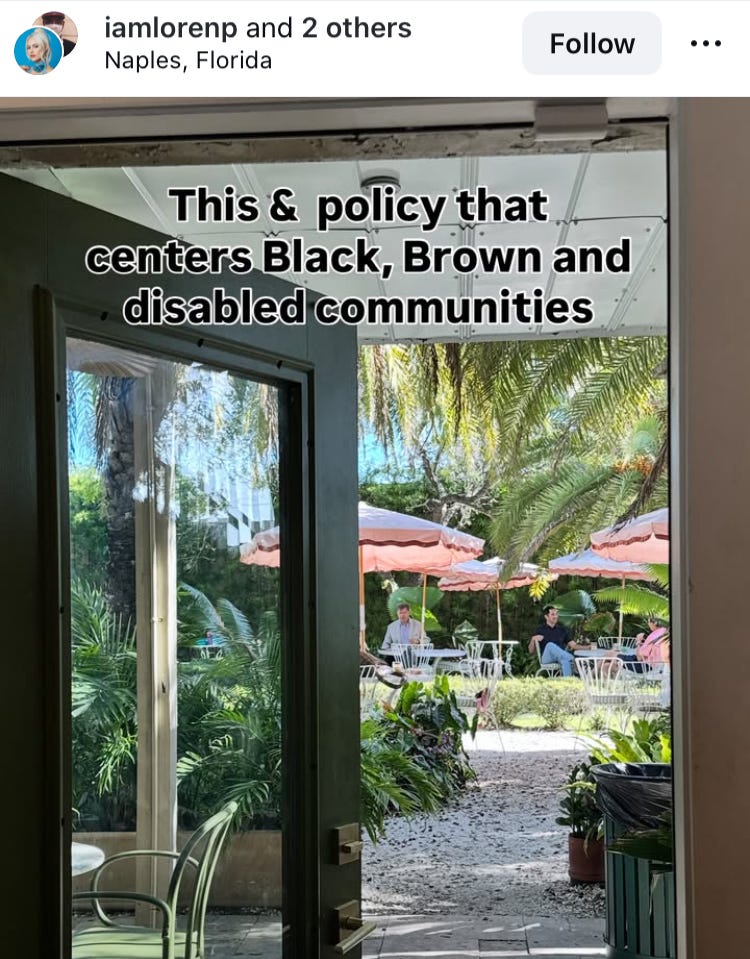


Oh boy. The west is fucked.
Recently I am asking myself if suicidal empathy is the "natural" end phase of free and prosperous societies...
If you guarantee in a free society women access to institutions, they will become more feminized and therefore suicidal empathy and virtue signaling spread.
If you deny women access to institutions, the freedom is gone.
I want a free society without pushing women back - but I also don't want the western civilization to disappear.
So... What to do?
An excellent treatise on what my friend, Charles Bogardus, has called "Causeplaying."