Window Onto the World
Digital Information-Sharing Dissolving Narratives

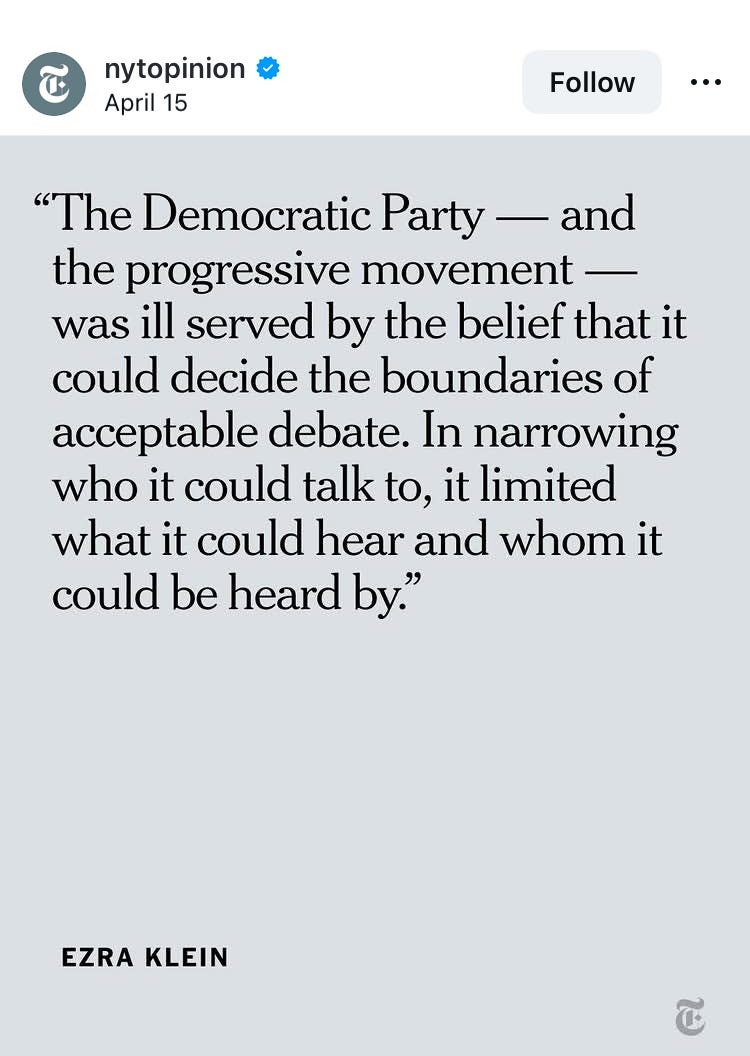
The entire institutional apparatus has been trying to limit the scope and control the direction of debate, for decades now. I highly doubt that Ezra Klein wants to broaden the discourse until it reflects all of reality. I suspect that he and people like him are trying to ease the strictures in the recognition of their politically destructive effects - but, for them, there are still hard boundaries. There are facts that cannot be noticed and questions that cannot be asked.
In Horizontal Information Flow, I wrote about the boundaries around public discussion dissolving, and about an upwelling of new cultural data on social media which anyone who desires to can access.
I’ve interspersed controversial claims into my examples, trying to form a mix of inflammatory claims with conventional public attitudes. See if you can decipher which is which. These are all ‘yes/no’ questions (although the definition of certain terms and descriptors can be subjective or variable). I’m sure that I’m wrong concerning some, or even most, of my beliefs on these subjects. After all, I haven’t studied them at length, and even if I had information can change and sources proven unreliable. I don’t know the answers… but neither do you. No one does, because they’re off-limits entirely. The point is that these aren’t even questions which are allowed to be asked, within the traditional information distribution complex (IDC). We all act as if we know the answers to these questions (even though we don’t) and in each case the working answer which we’re taught to parrot is exactly the answer that the regime has determined is most convenient for the execution of its policies and the celebration of its values. The placement of these kinds of questions in the ‘out of bounds’ category was made in the name of decency or tolerance or politeness or science or credentials, but these are all covers. People won’t even discuss these things in private, and people who’ve been educated and credentialed have learned, as part of that process, which questions are acceptable to broach, and which opinions are acceptable to have. As time has gone on those questions have become ever more distant from everyday reality, and those opinions more distinct from the actual majority beliefs of citizens.
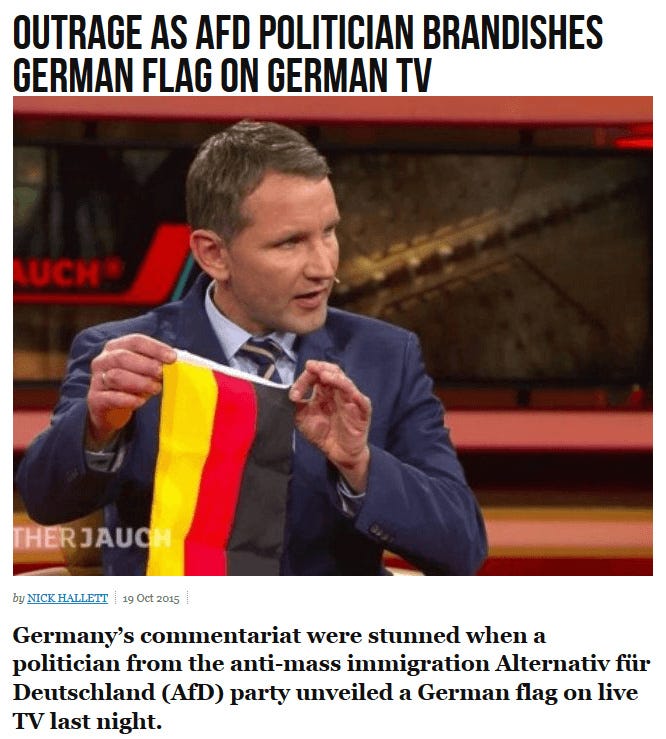
As reality has become ever more divergent from the institutional orthodoxy, the institutions have become more rigid and controlling. Even displaying national flags (the St. George’s Cross flag in England, the German flag in Germany) is now labelled offensive. What are the chances that such people can honestly grapple with the effects of multiculturalism or the social compromises necessary to sustain feminism?
This new data is discouraged and stigmatized by the older sources of information (universities, governments, legacy media outlets), and they often attempt to disprove them. But these attempts rarely go well, for the simply fact that these are real data points, which cannot be integrated into the structure of regime orthodoxy that we’ve been handed.
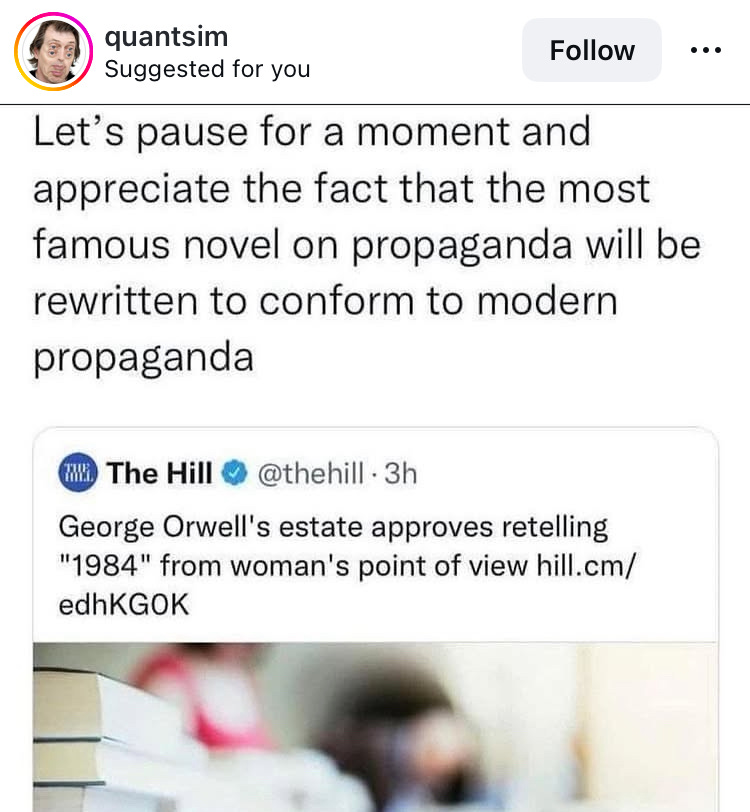
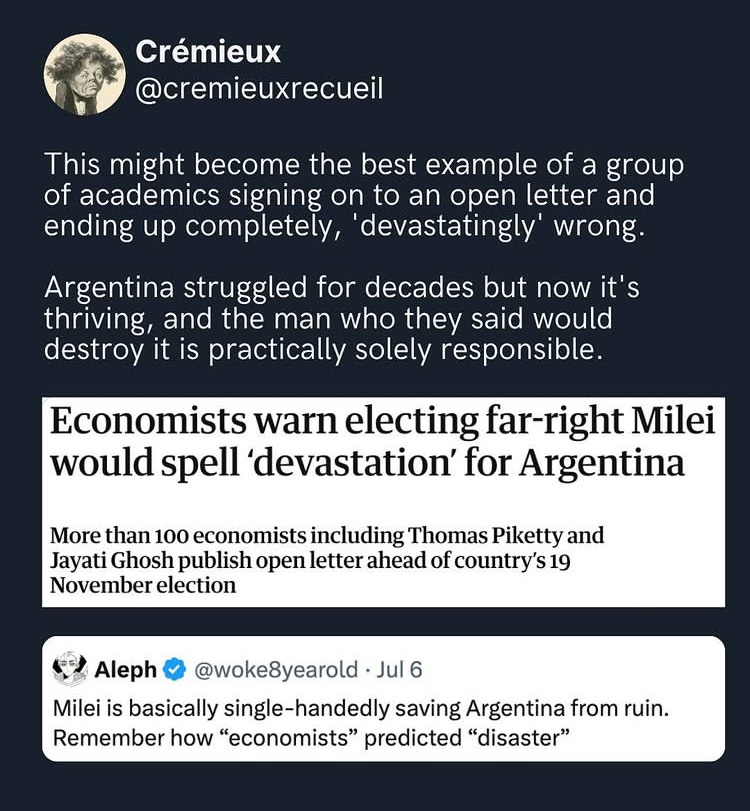
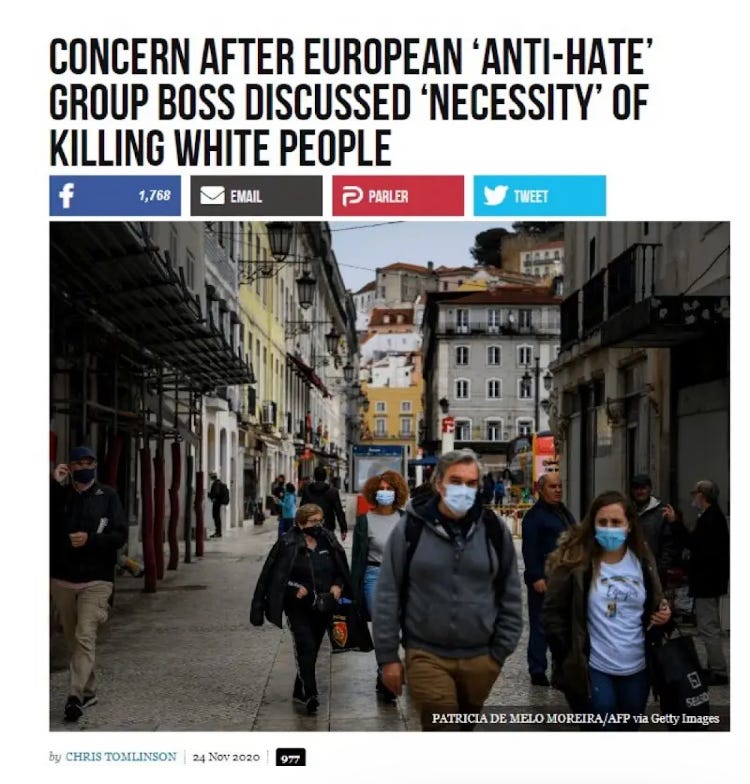
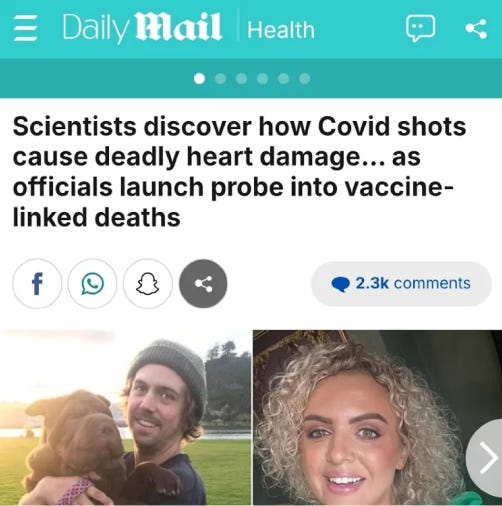
ALL of the stories below were “pre-bunked,” disputed, resisted, and denied by mainstream media and institutions. In each case (and some of them are ongoing), the organizations and individuals involved haven’t accounted for their errors and made corrections. They’ve simply moved on to the next information battles, bringing the same tone of smug certainty and moral superiority.
We’ve been trusting people like this to inform us about the world for decades now.
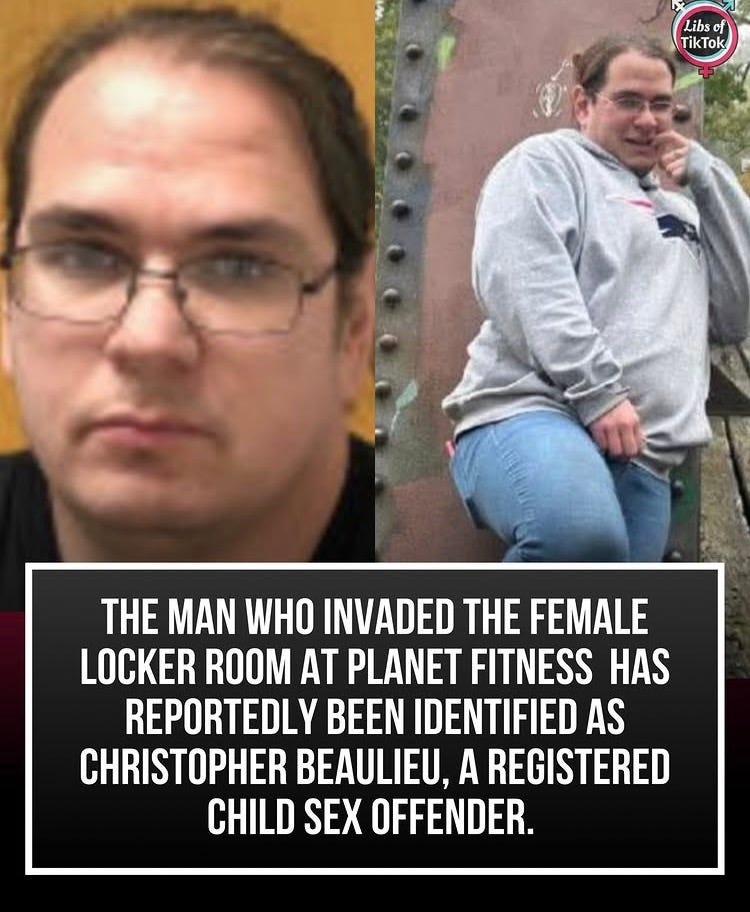

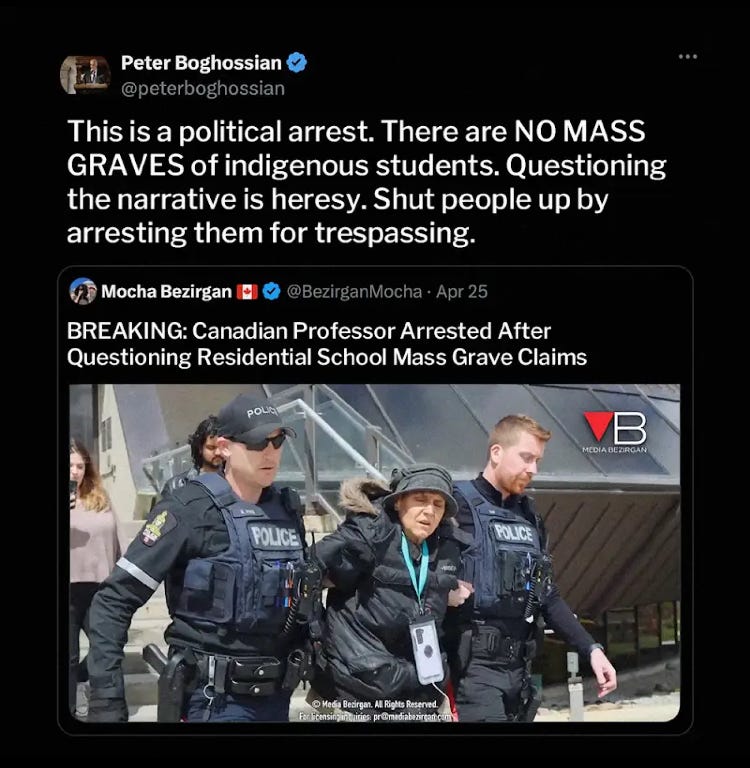
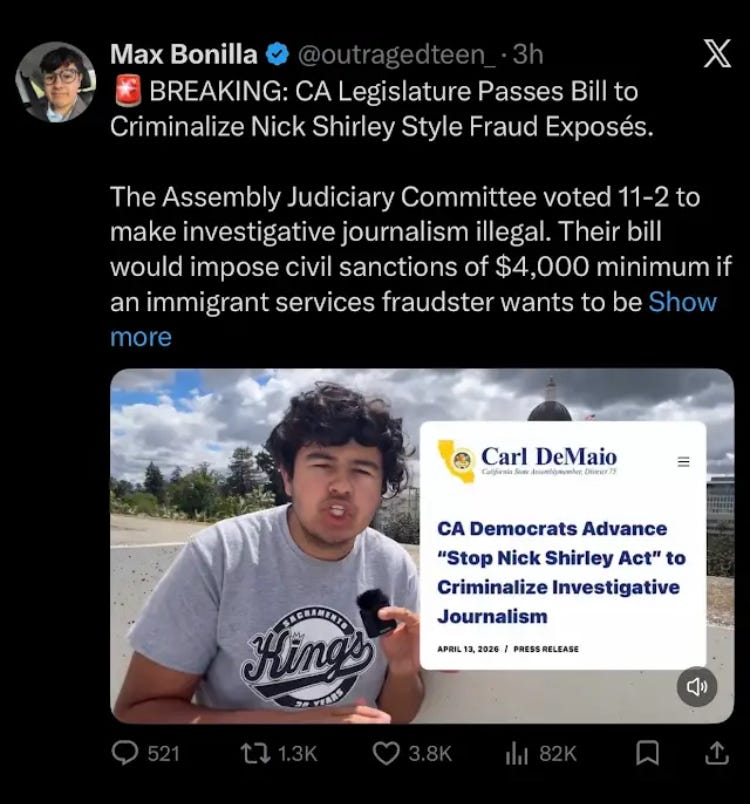
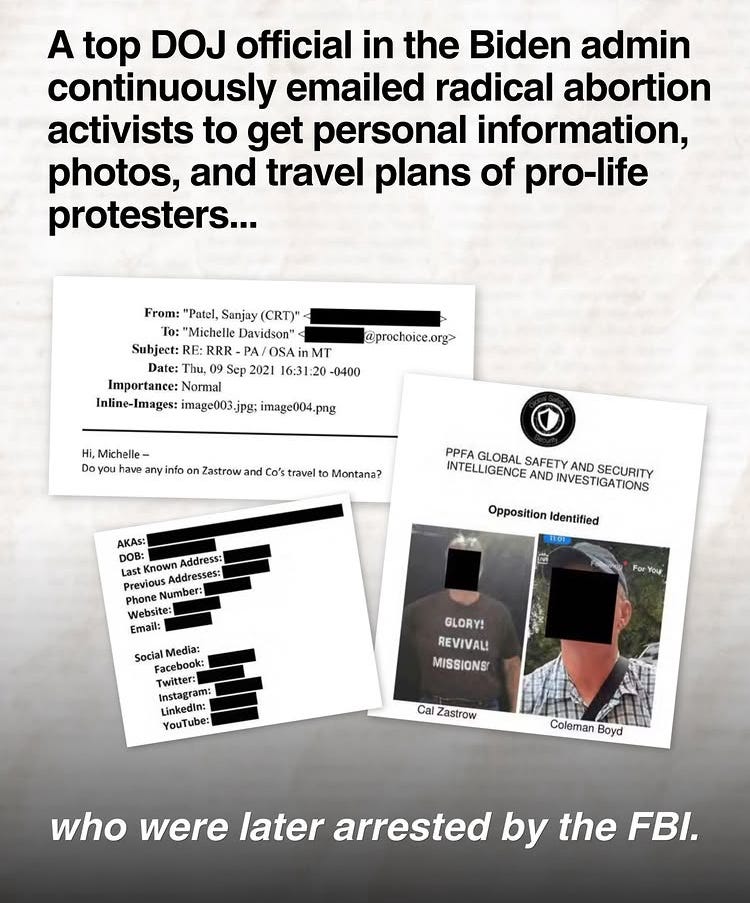
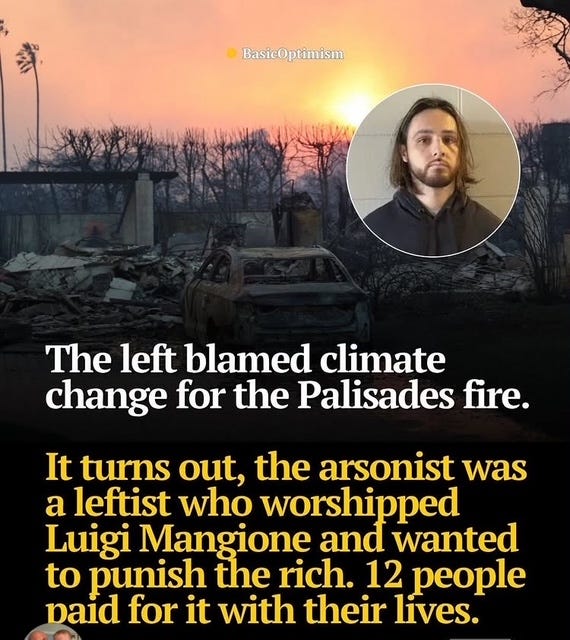
All of the stories below were studiously ignored by proponents of cultural orthodoxy. As I wrote in Horizontal Information Flow, the strictures around proper belief and discourse narrowed, while the ruling class became more dysfunctional and the institutions were captured. Now we exist in a state in which most social problems and their causes cannot be reported on my legacy media. Even basic statistics which reflect income crime, immigration, and government spending are hidden and suppressed. This policy of deliberate silence is apparent to anyone who makes an even cursory review, but it is the one thing that they cannot explicitly acknowledge or account for. This creates a schizophrenic break in our condition of hyper-reality: there are the people who continue to believe the cultural orthodoxy (mainly the old - subject to polluted information sources and indoctrinated by regular cable news viewing and newspaper/magazine reading - educated women, and the rich) and there are people (the working class, men, heterodox and original thinkers, and those who’ve had exposure to realities outside of the privileged urban bubble) who now believe a much different set of claims - claims which cannot ever be verbalized in mixed company. This restriction only goes in one direction, of course.
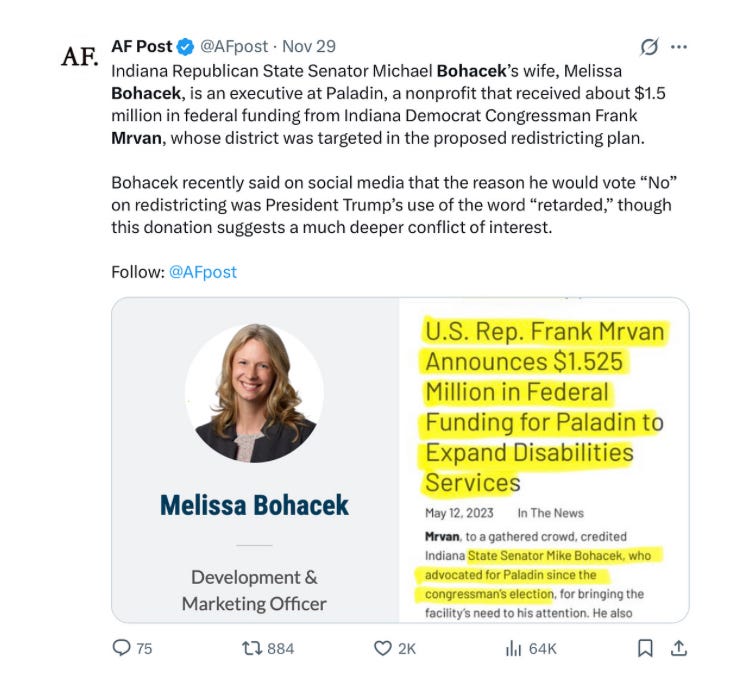
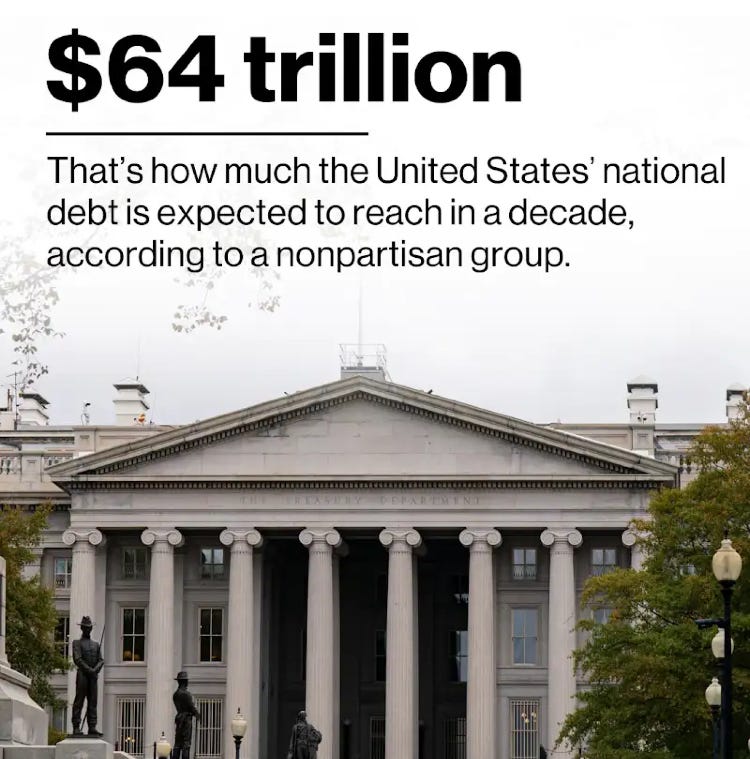

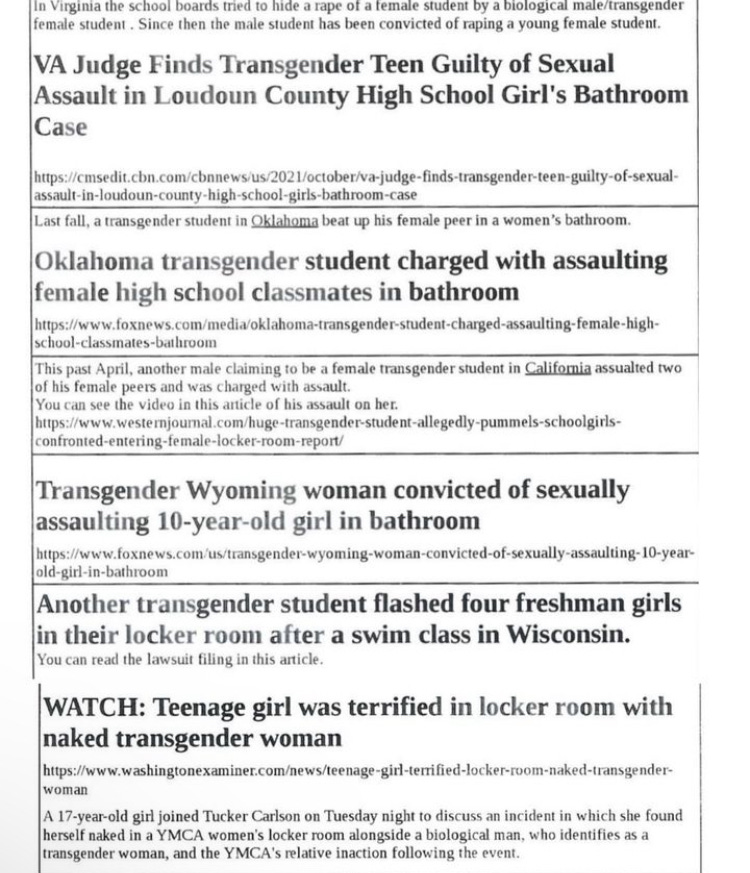

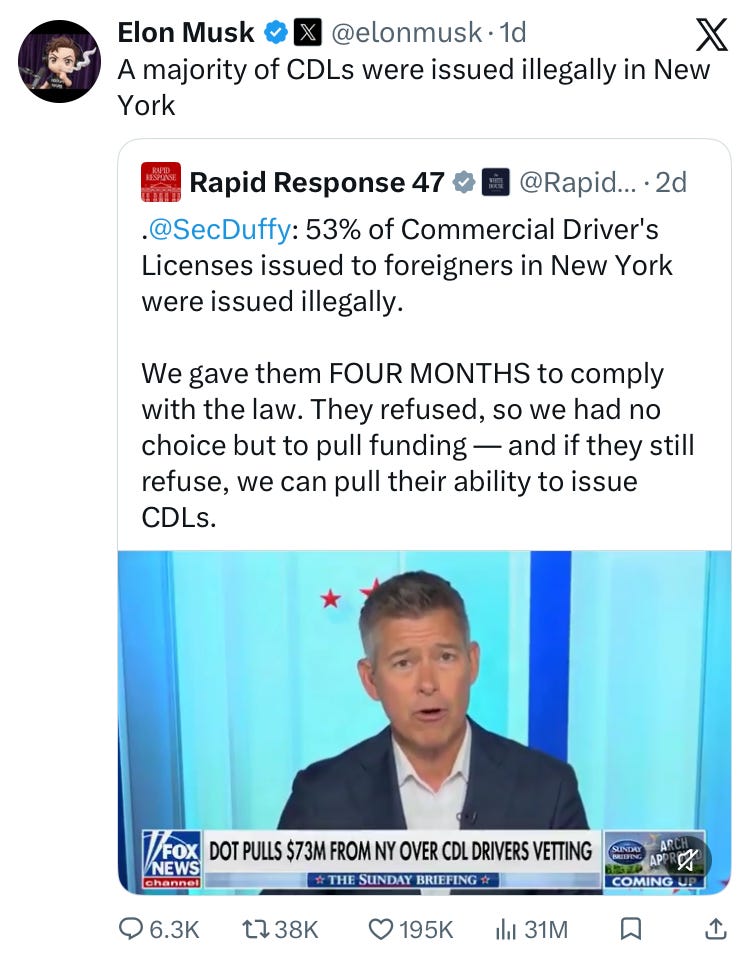
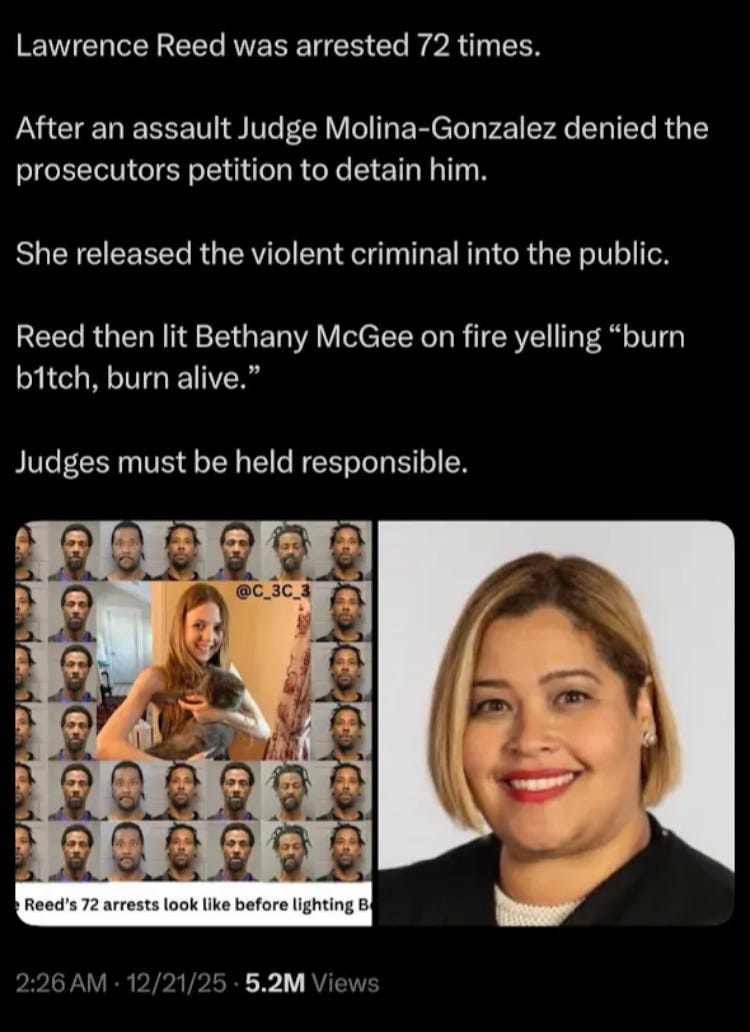
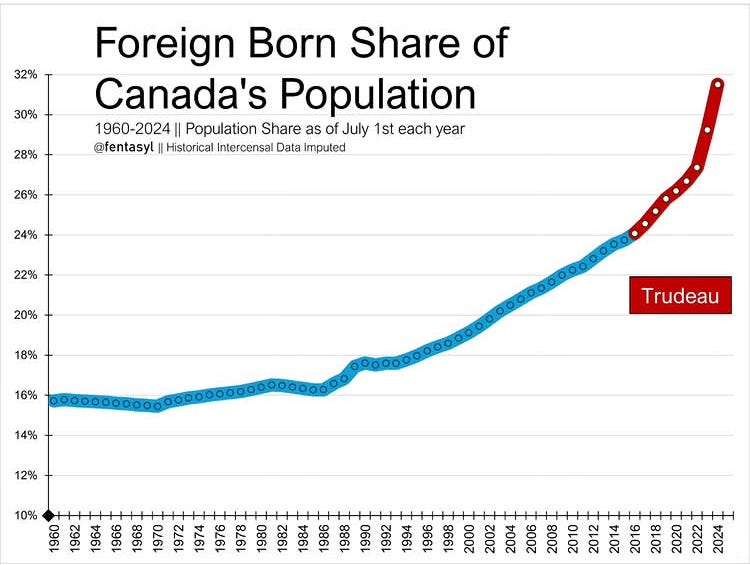
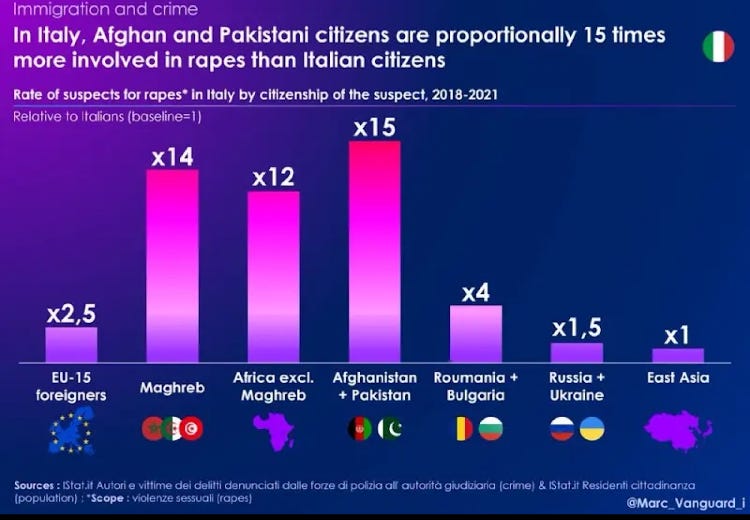
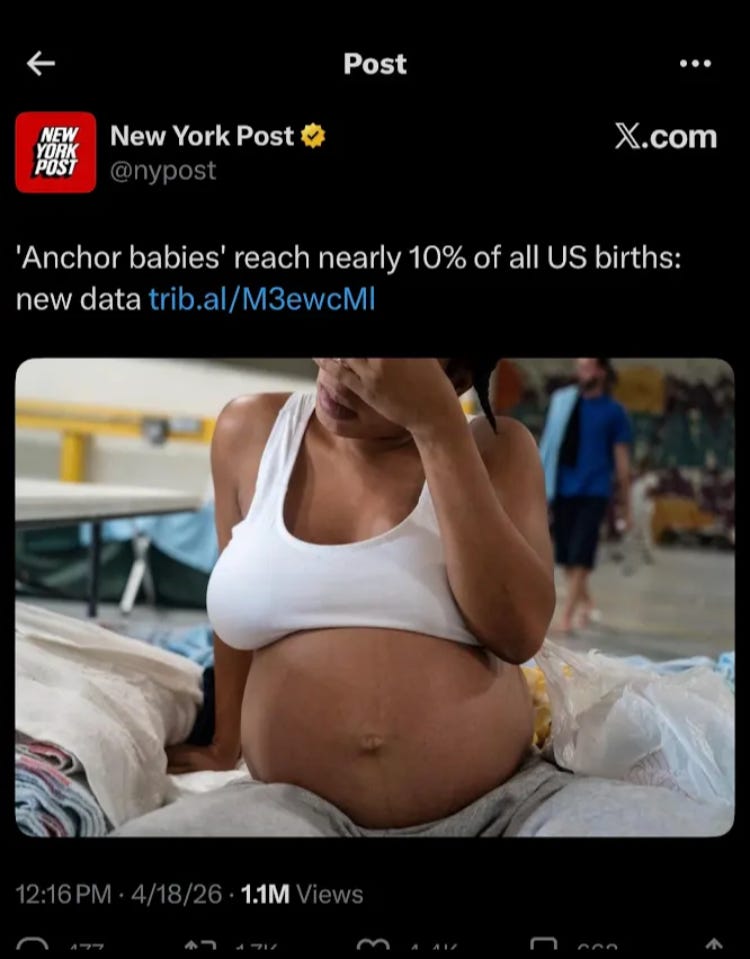

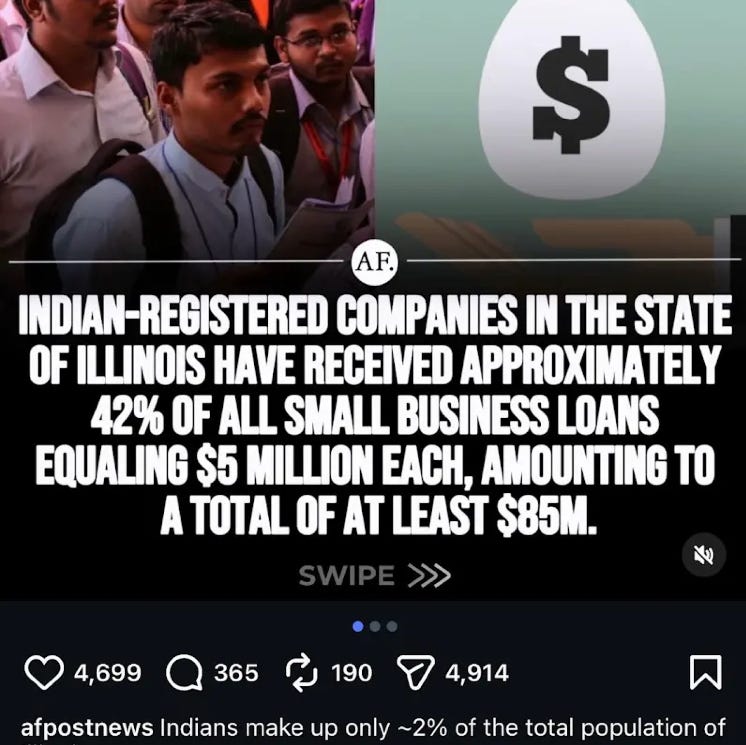
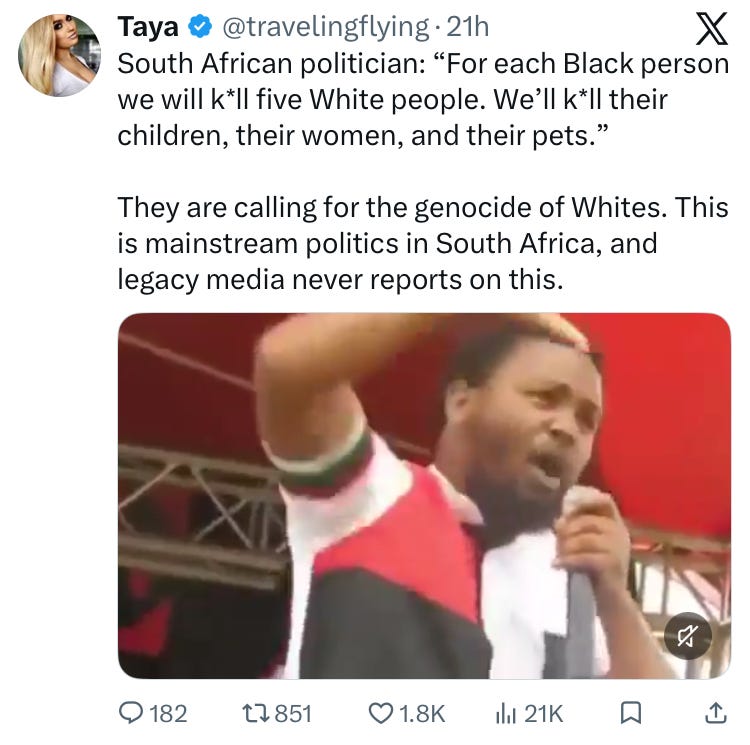
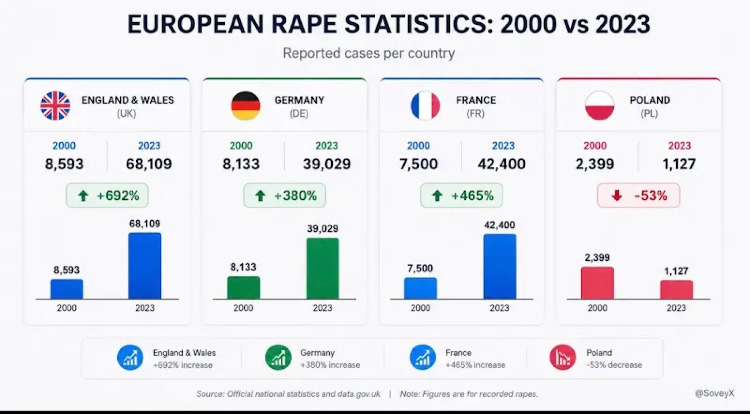
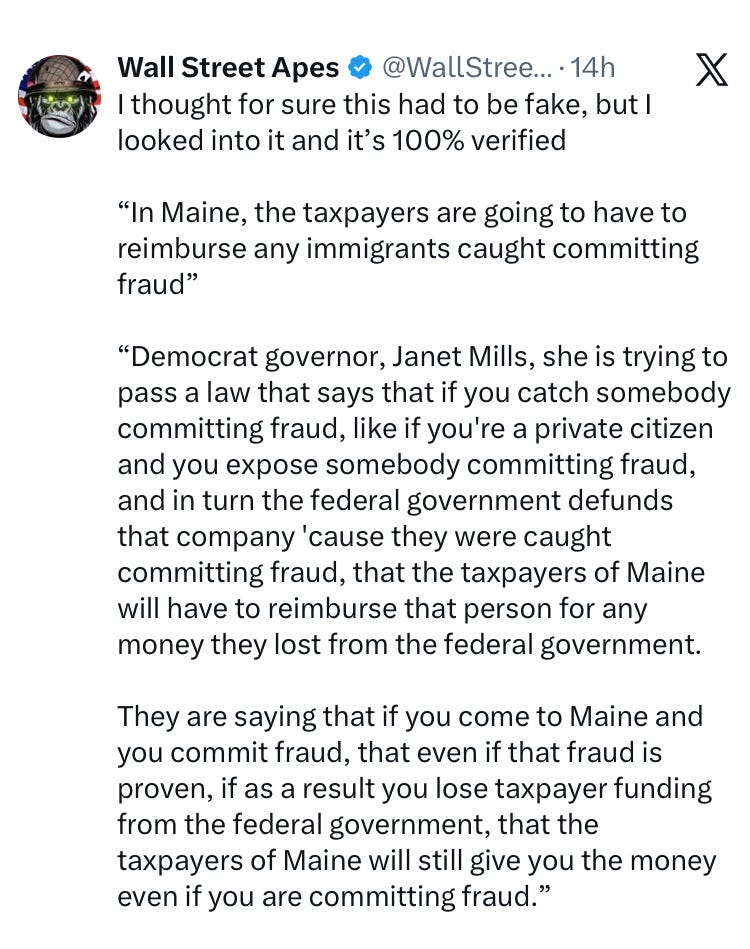
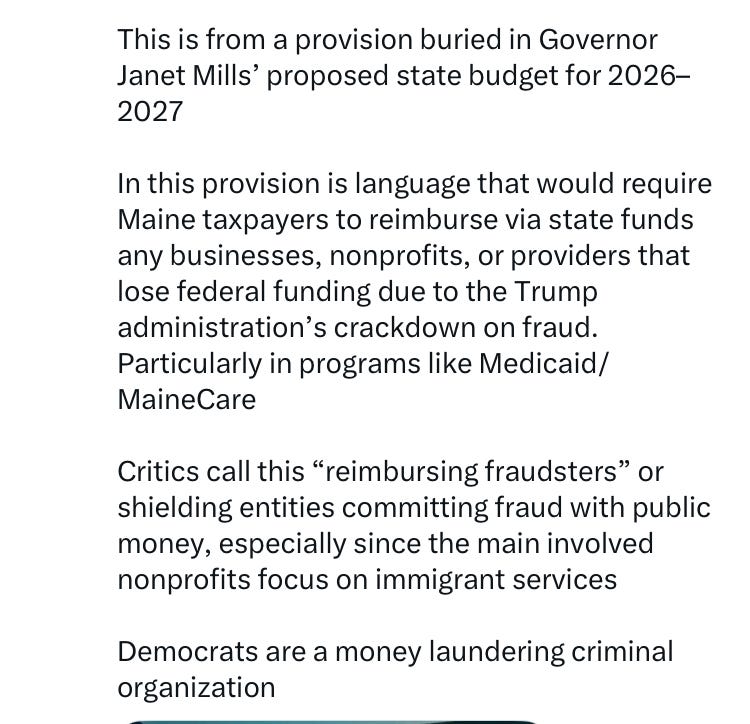
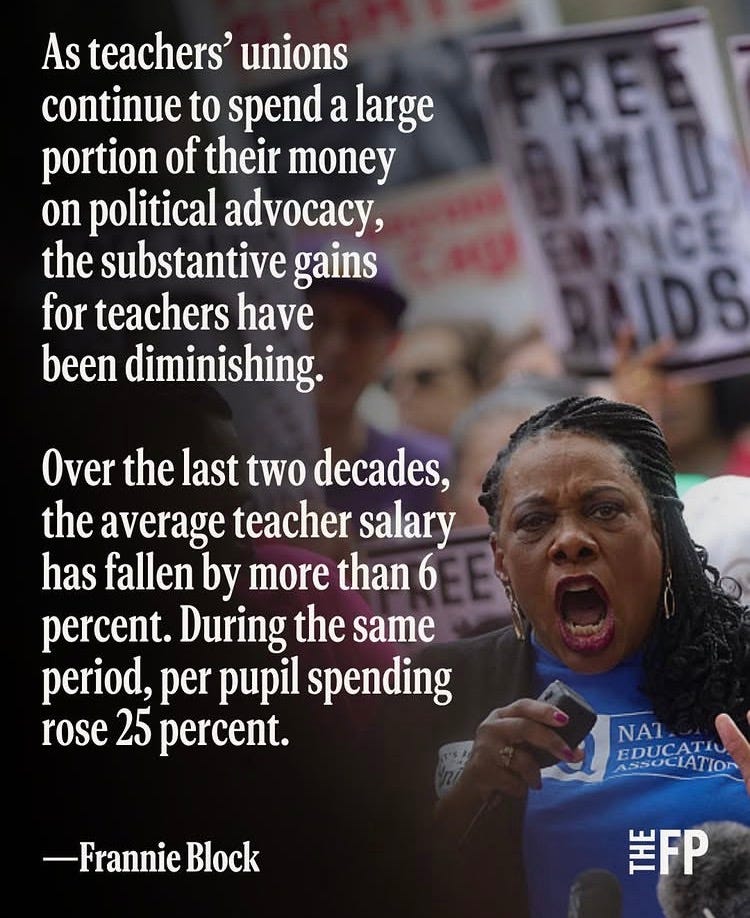
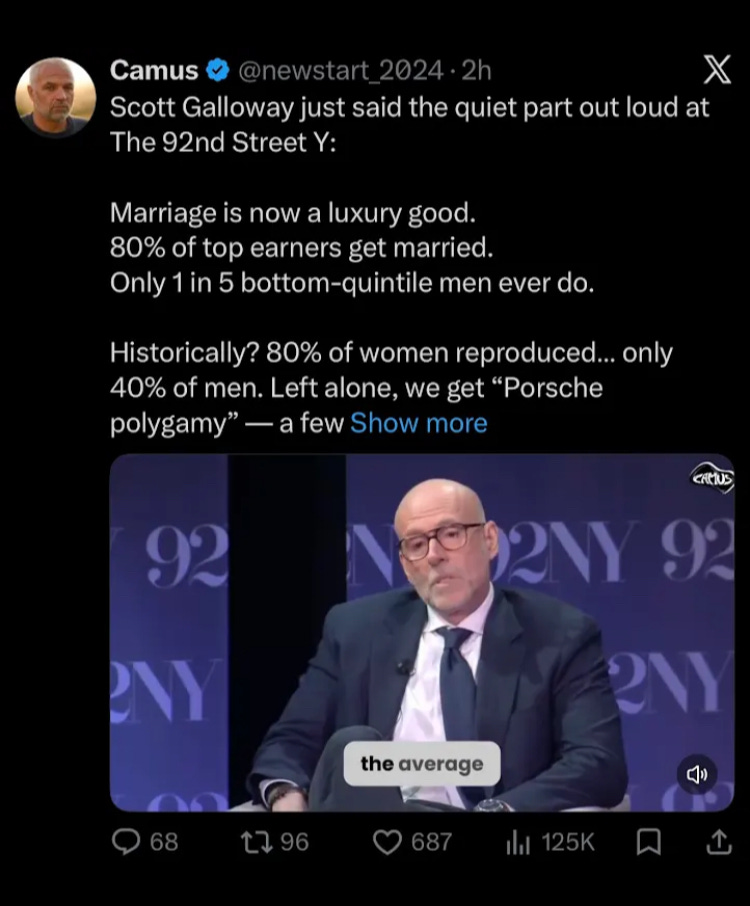
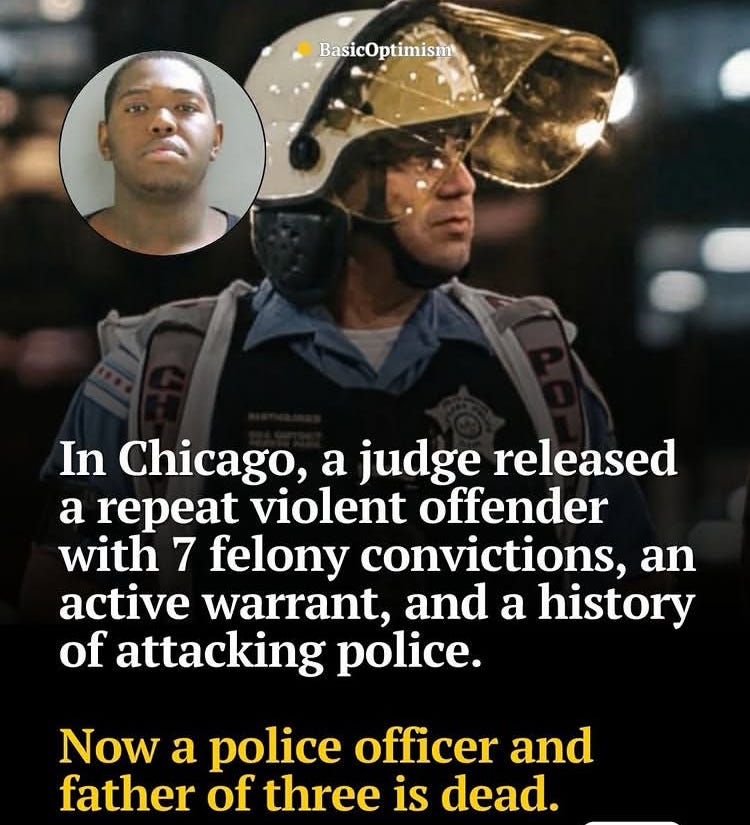
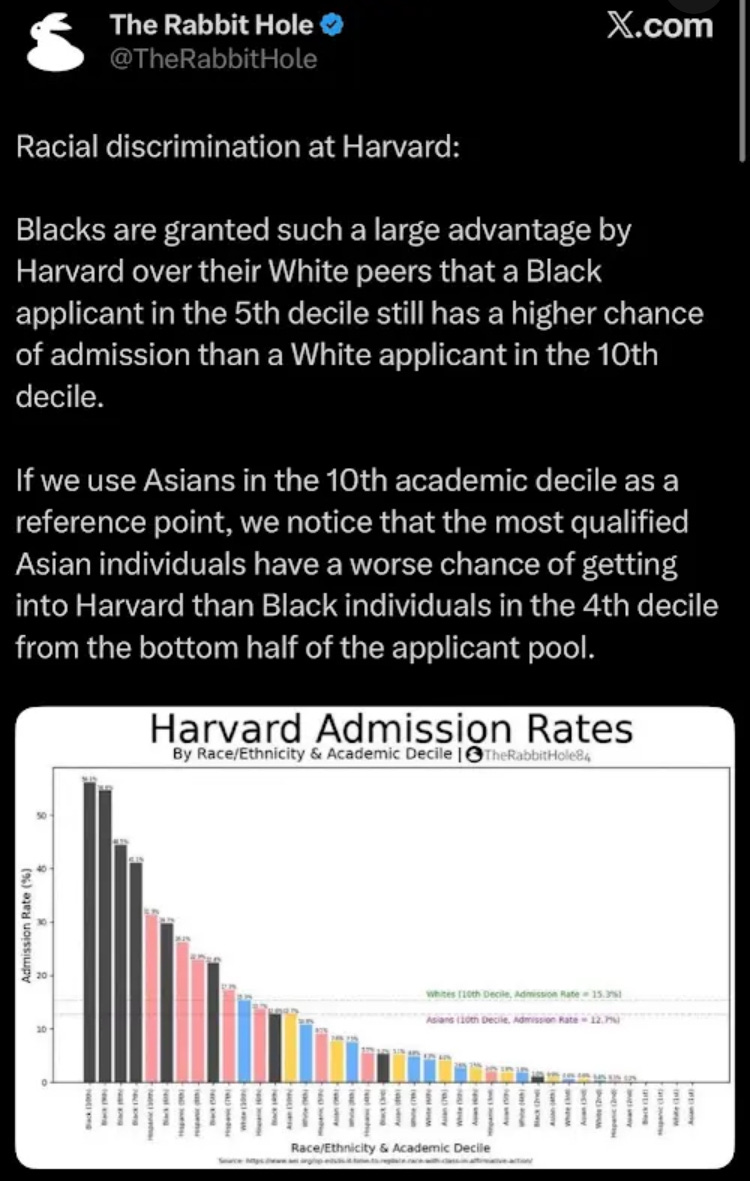
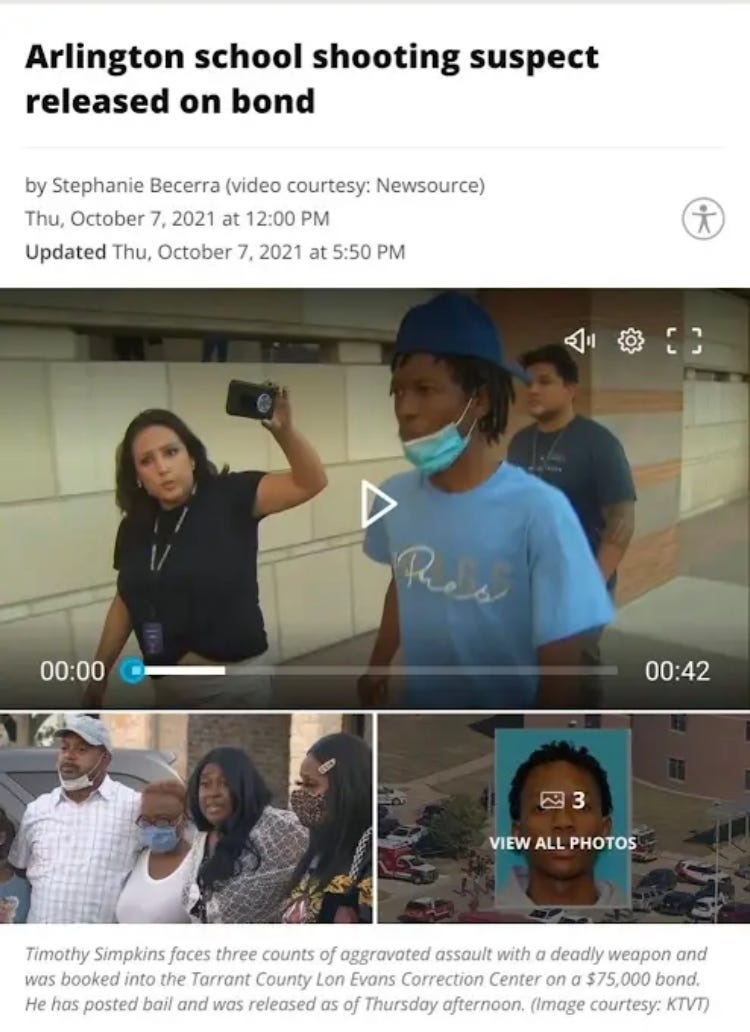
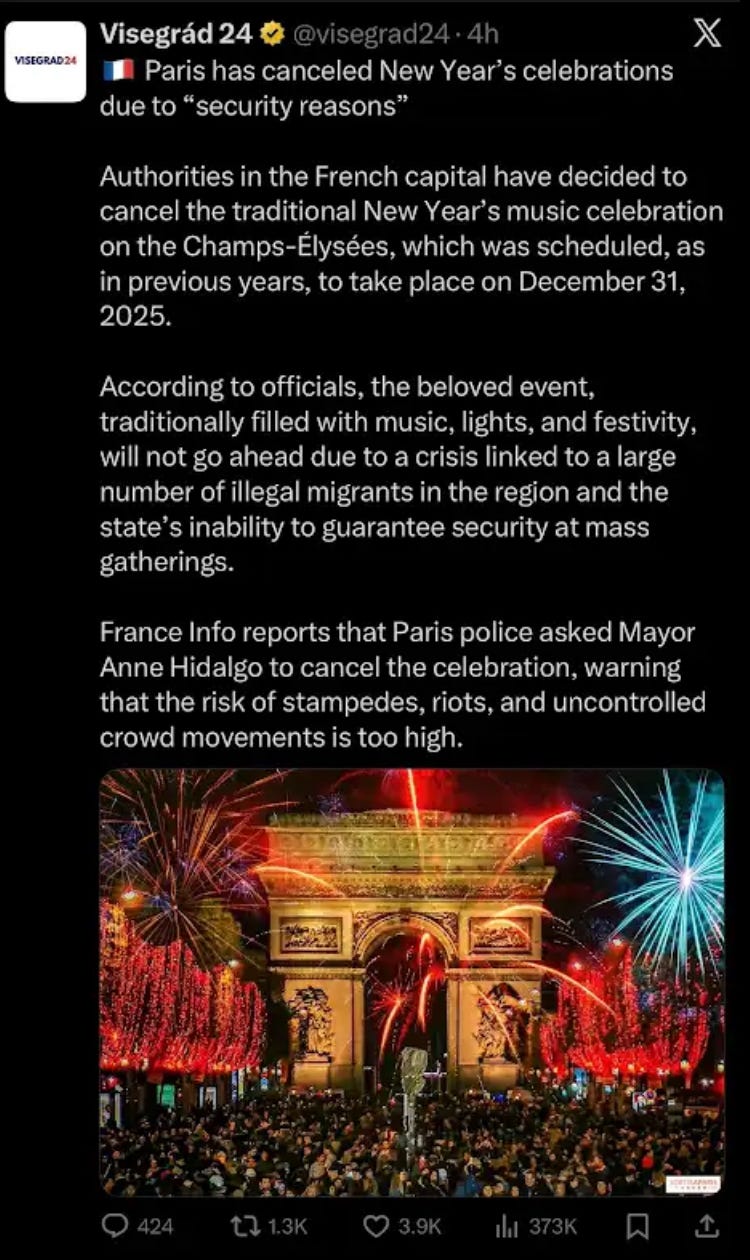
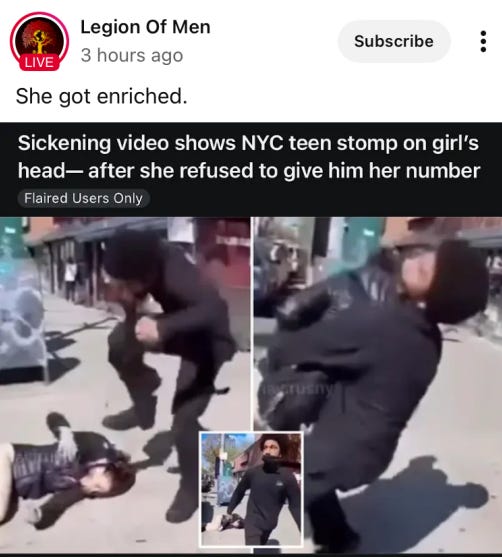
You might object that some of these incidents are minor - not worthy of national news coverage - and that’s plausible. But reverse the racial identities here, and then ask yourself whether such an event would receive wider coverage: a white teenager stomping on a black woman’s head. If such an act would receive exposure on news stories while this (actual) one did not, then what’s the operative variable here, and can we see that pattern of selective reporting elsewhere?
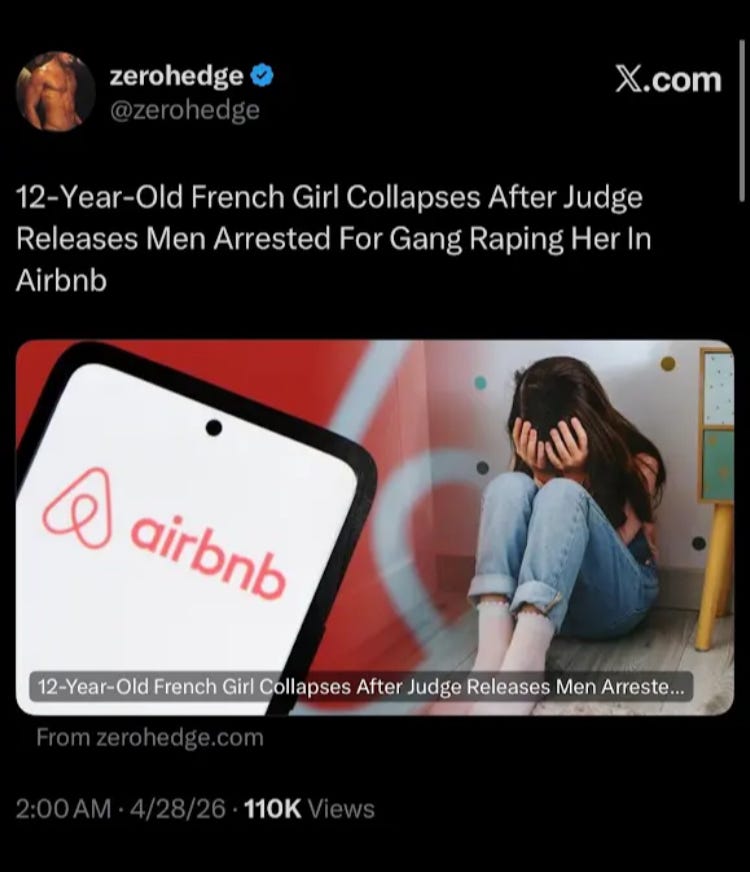
Instances of this artificial regime of narrative control peek out through the cracks everywhere you look:
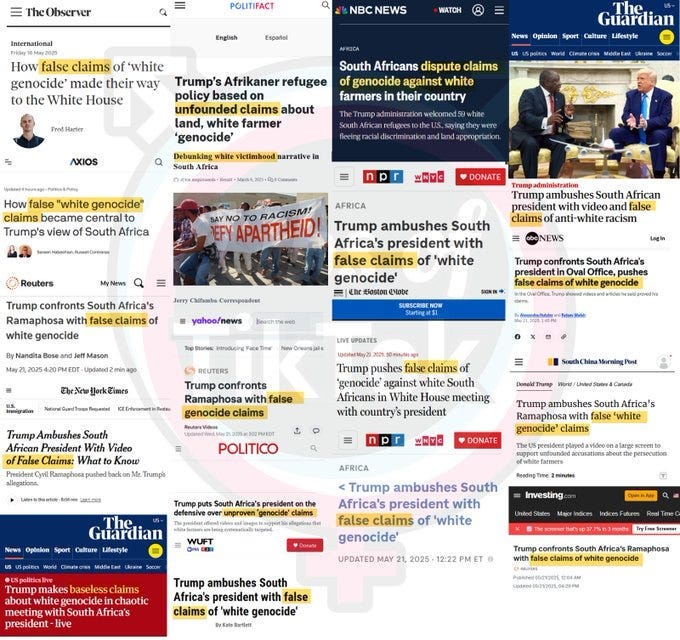
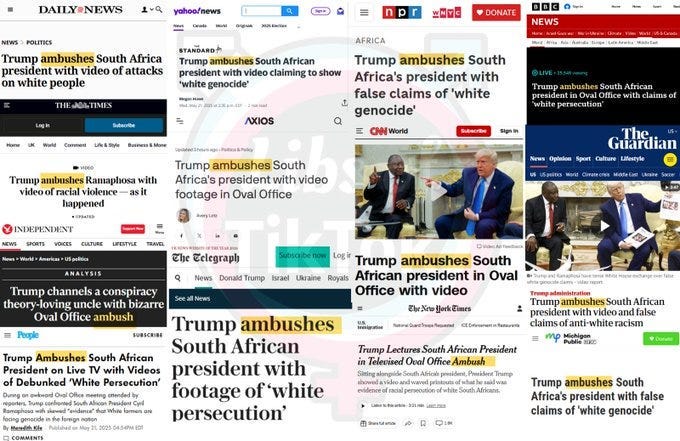
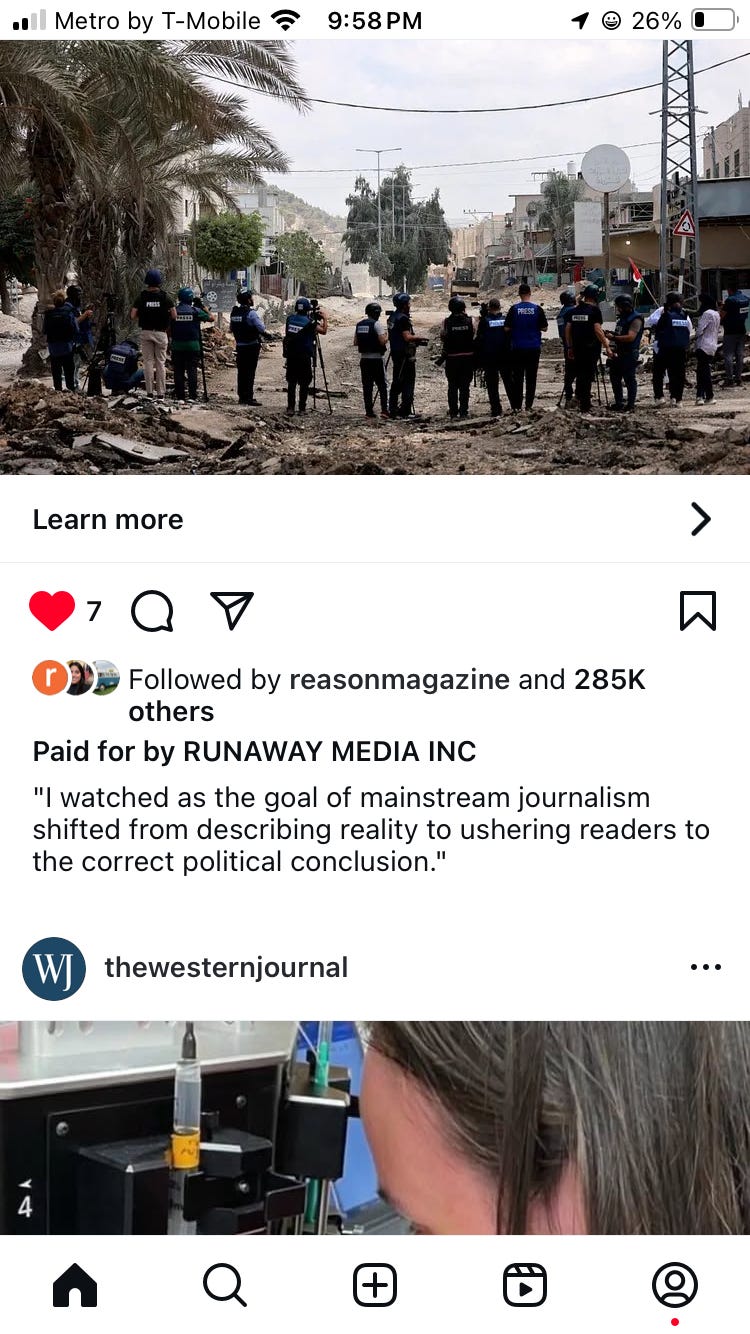
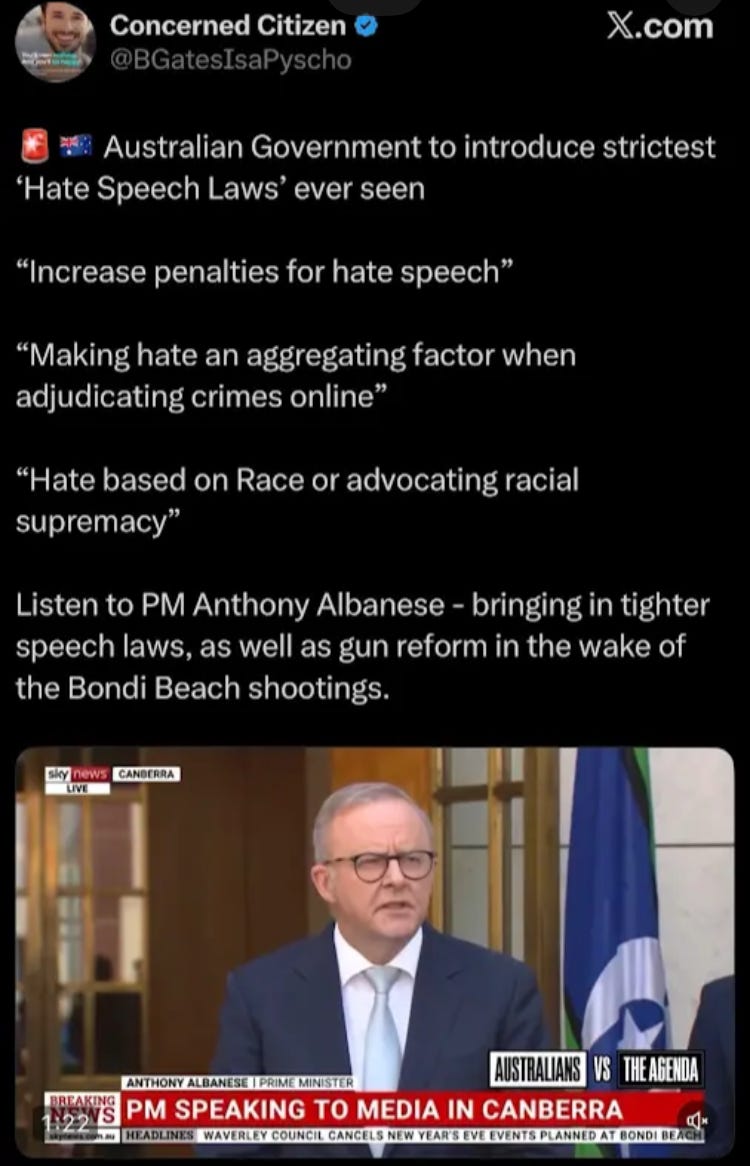
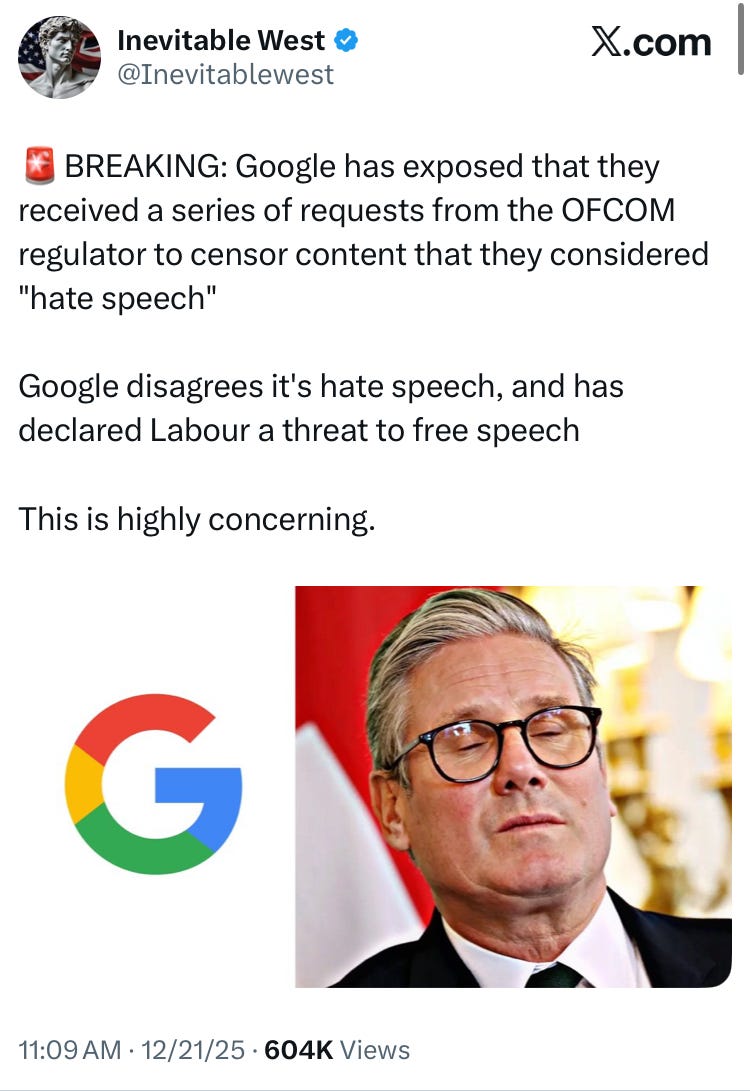
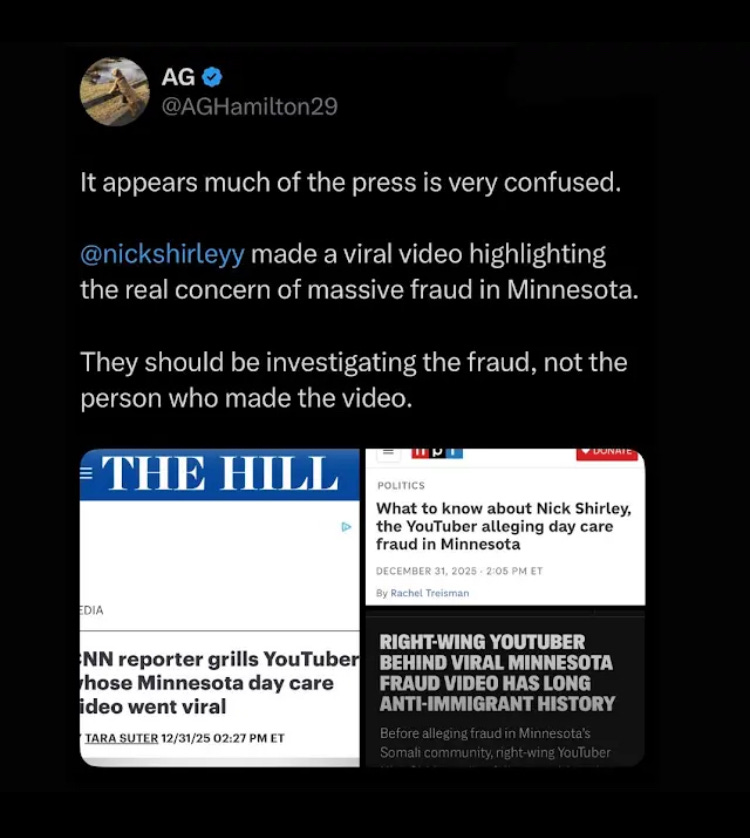
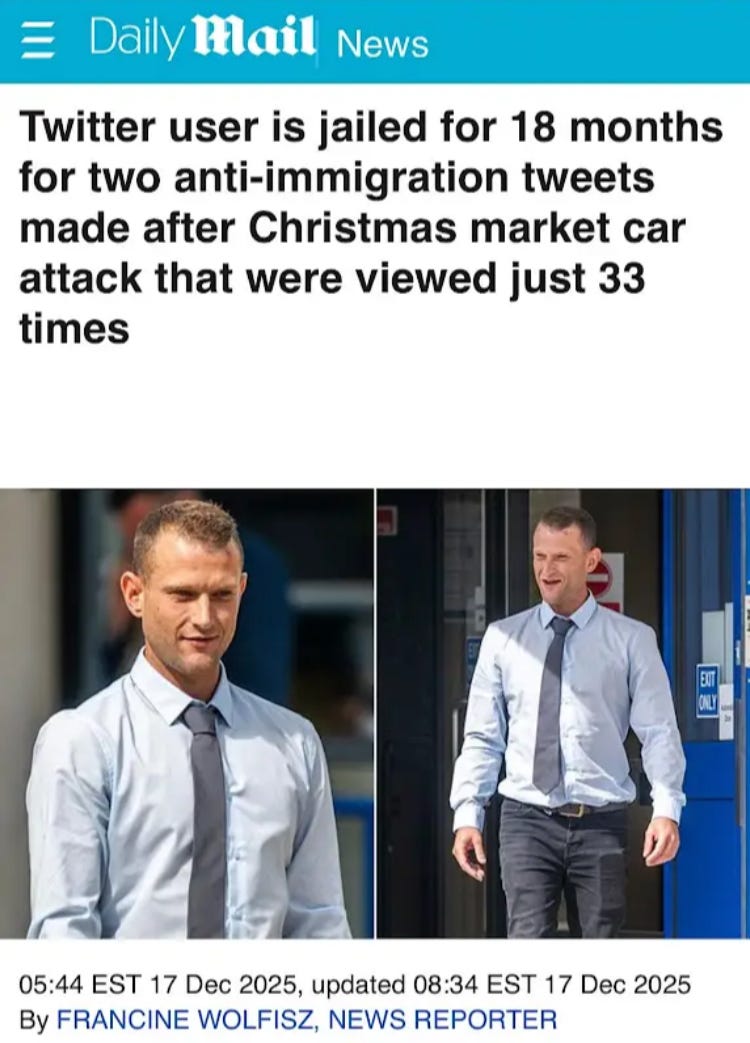
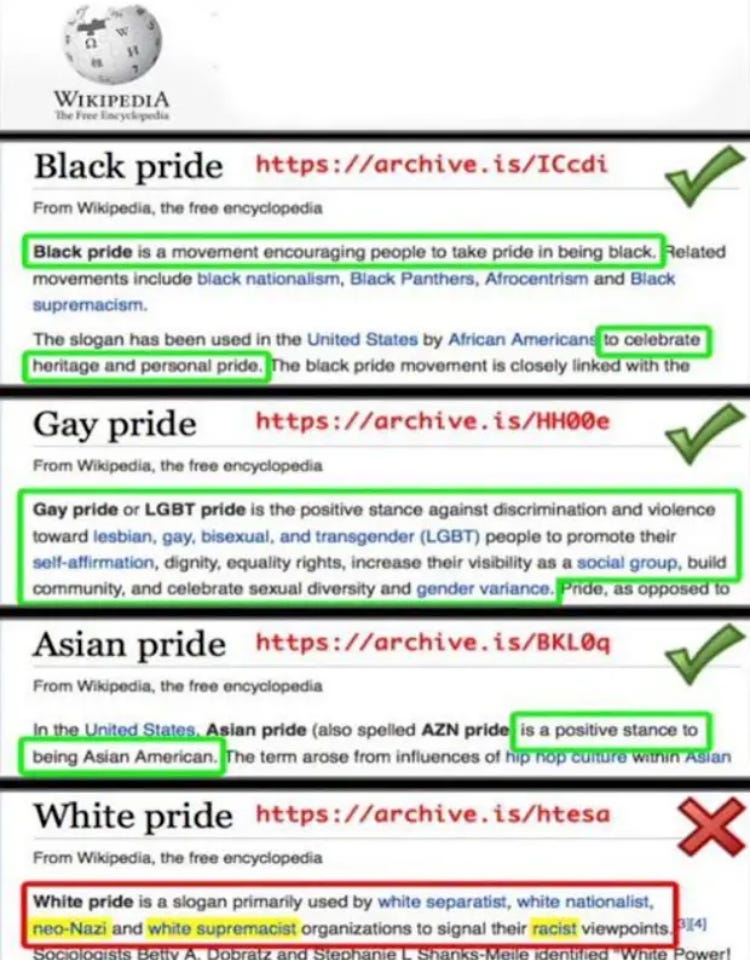
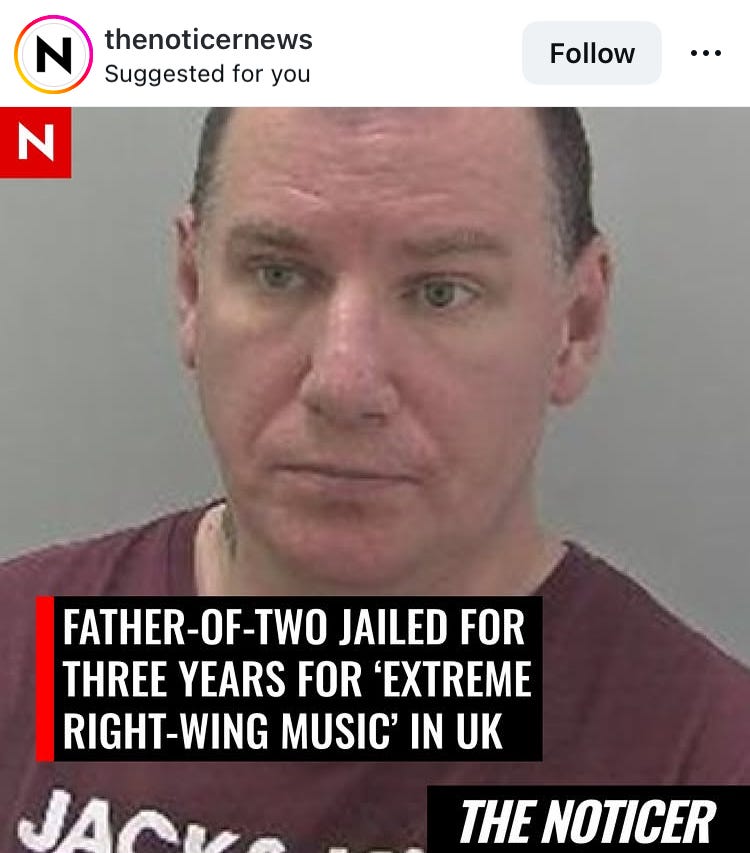
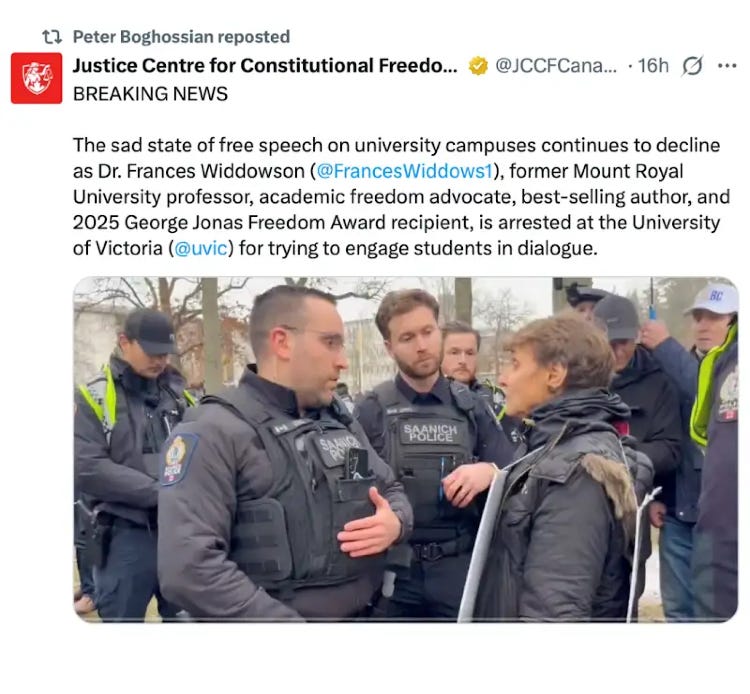
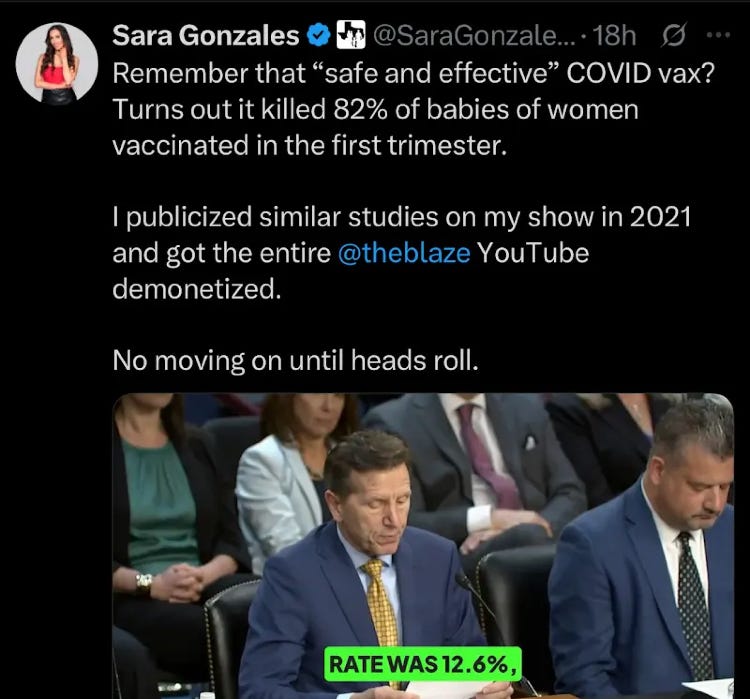
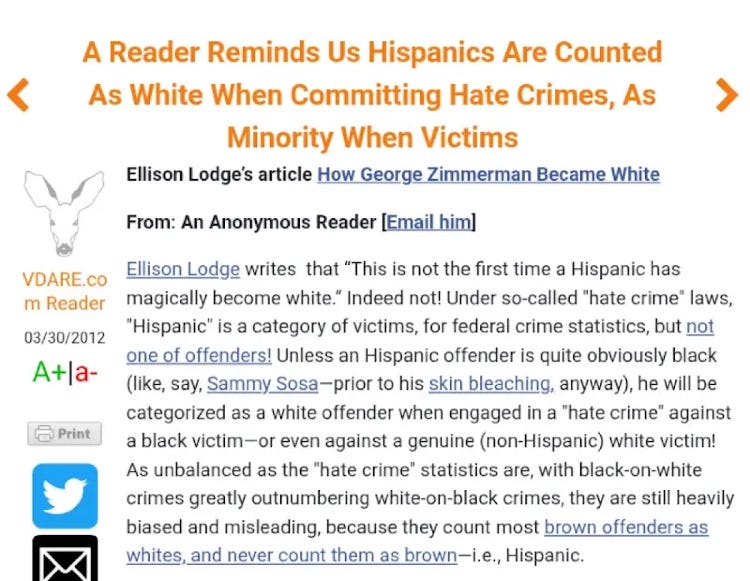
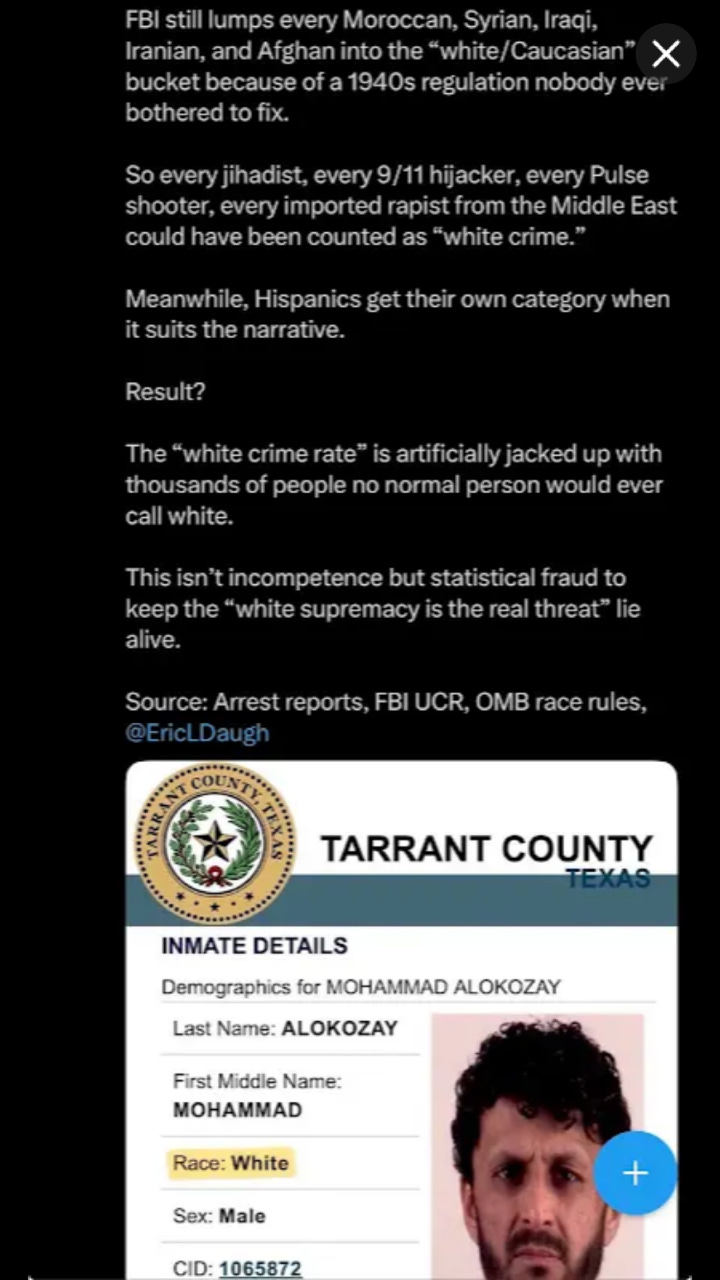
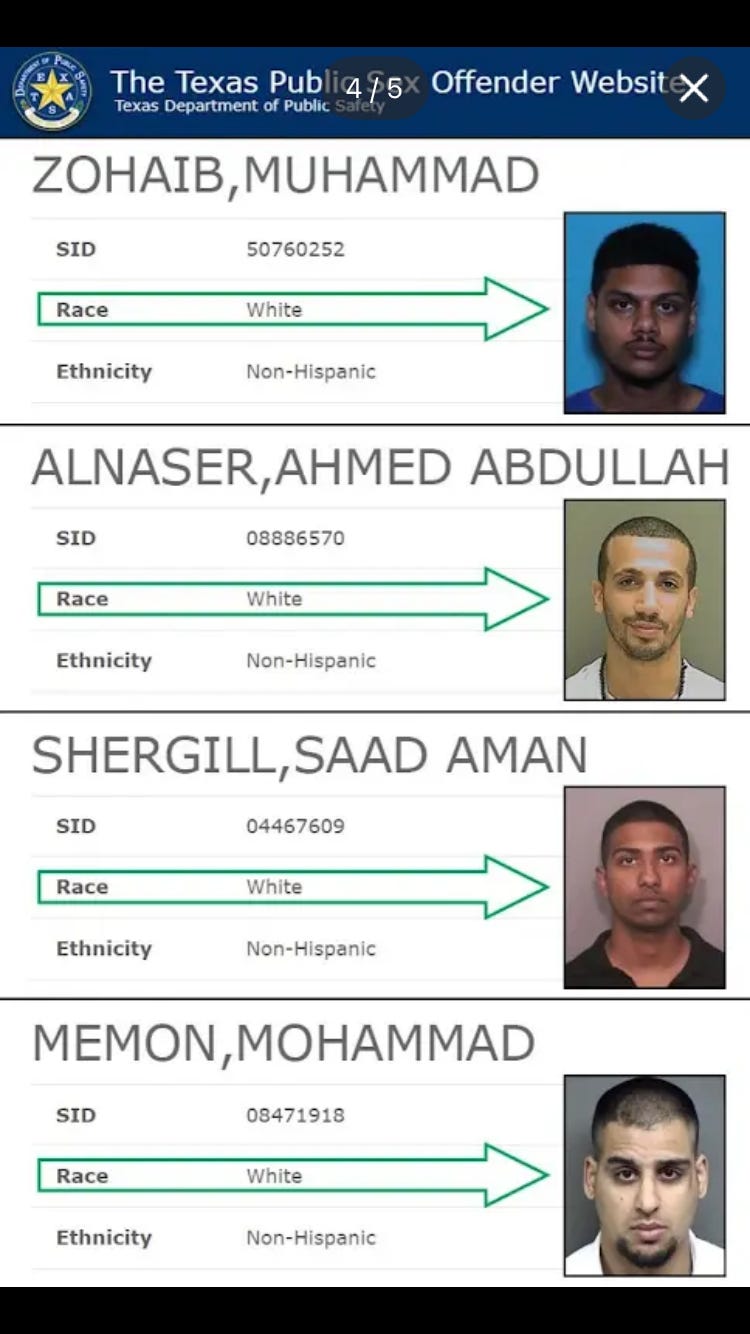
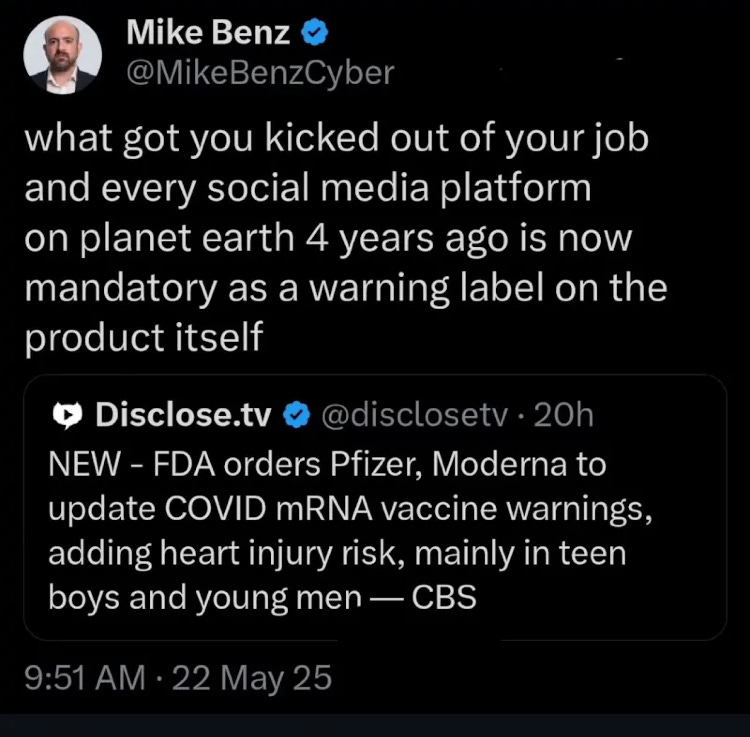
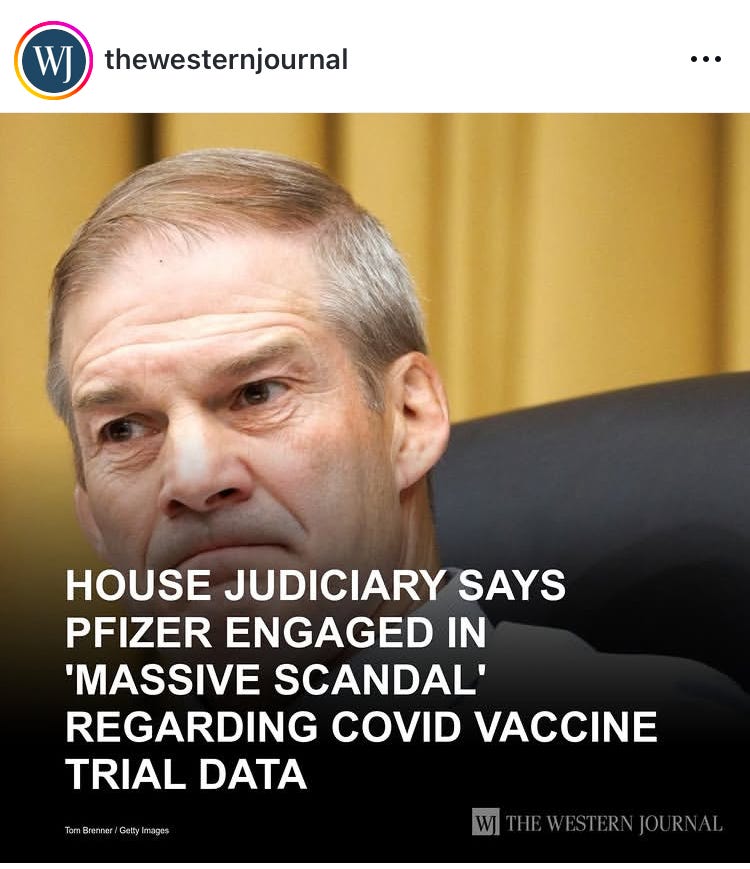
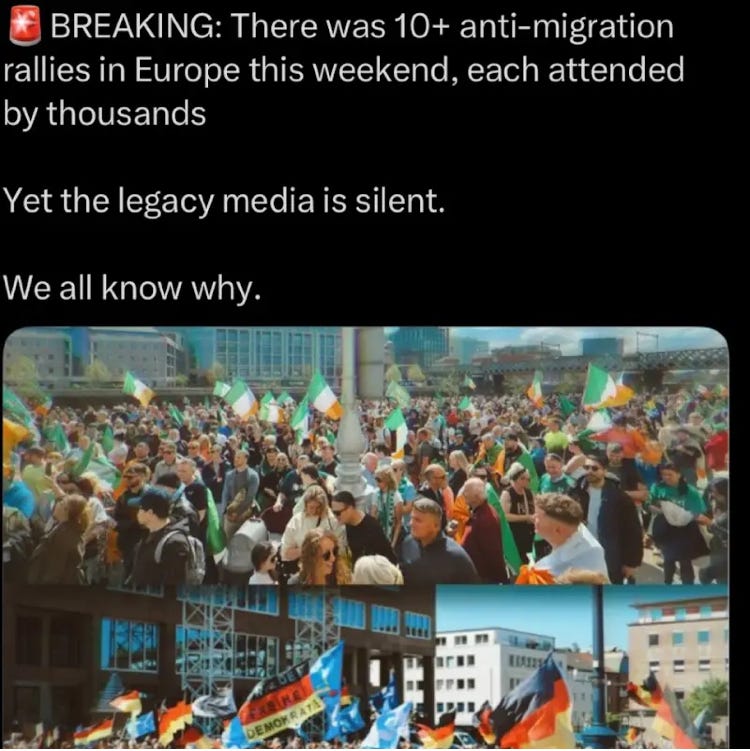
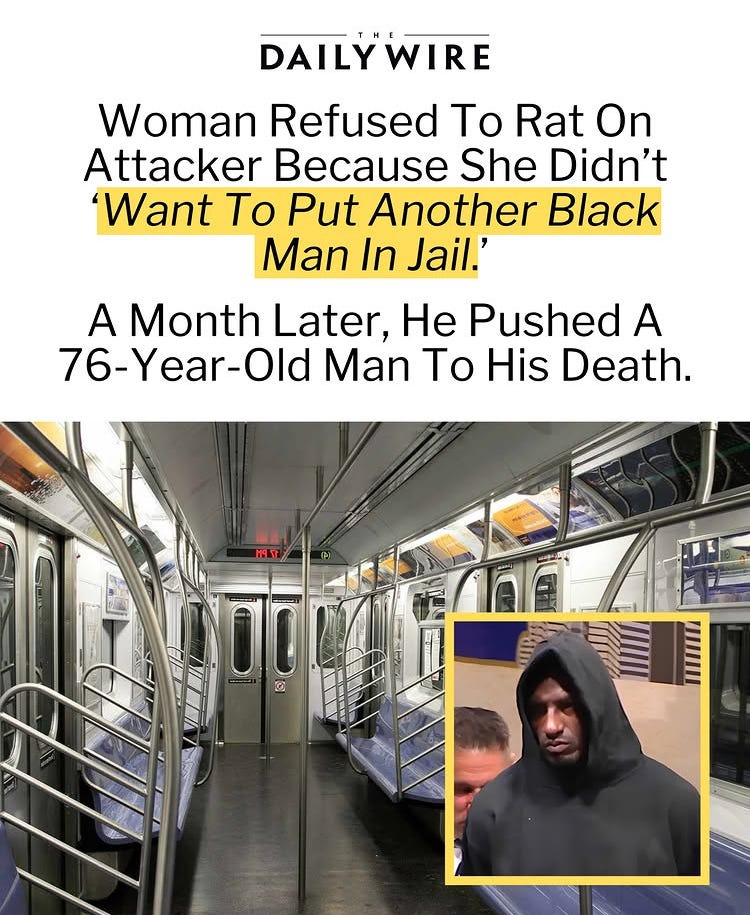

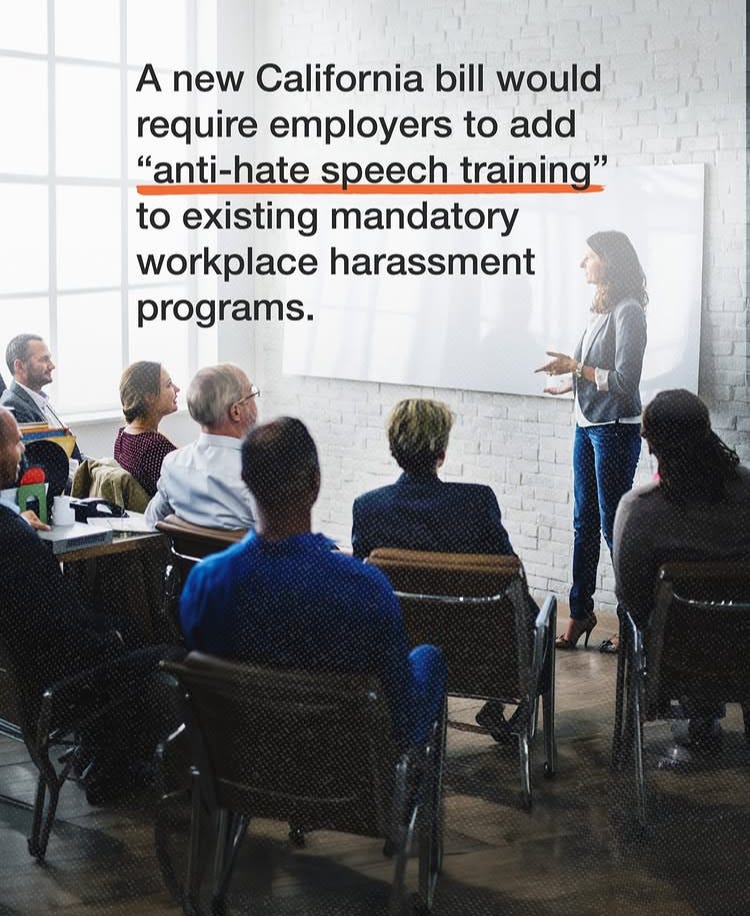
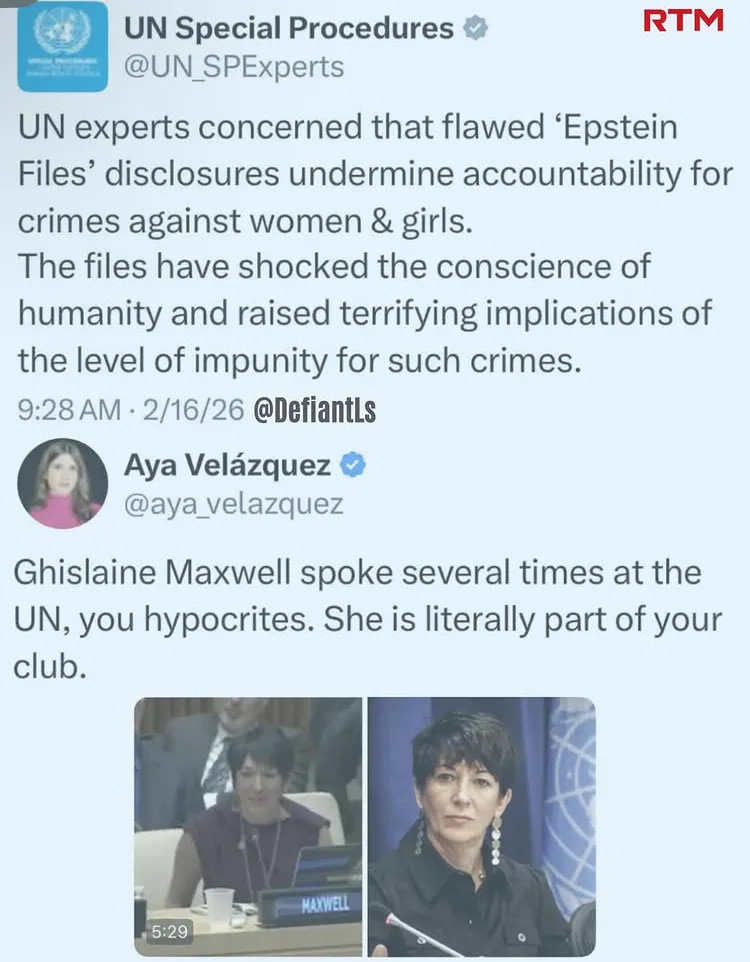
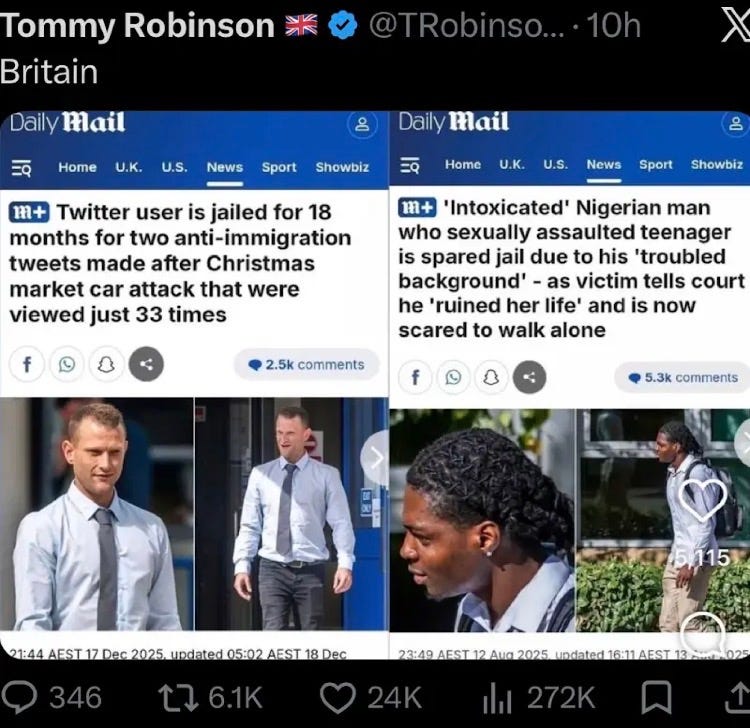
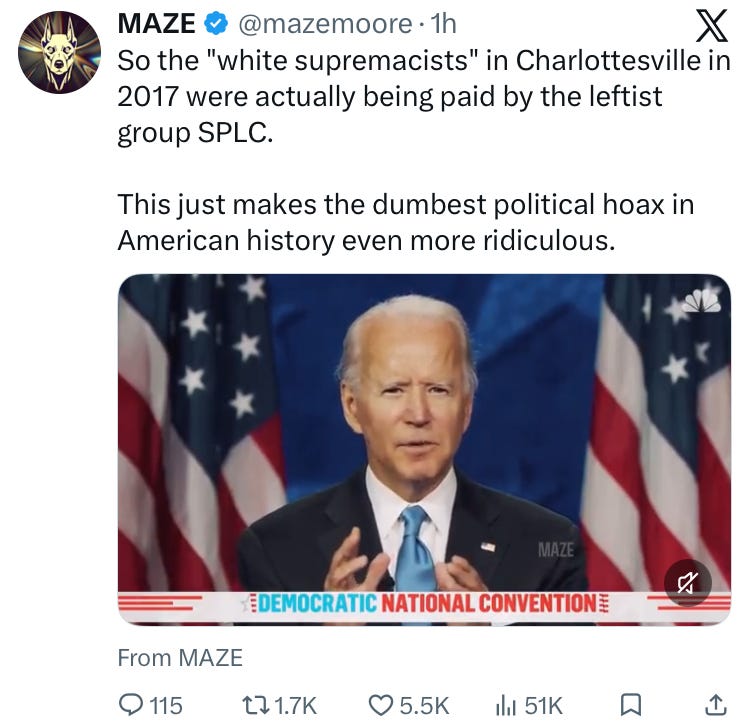
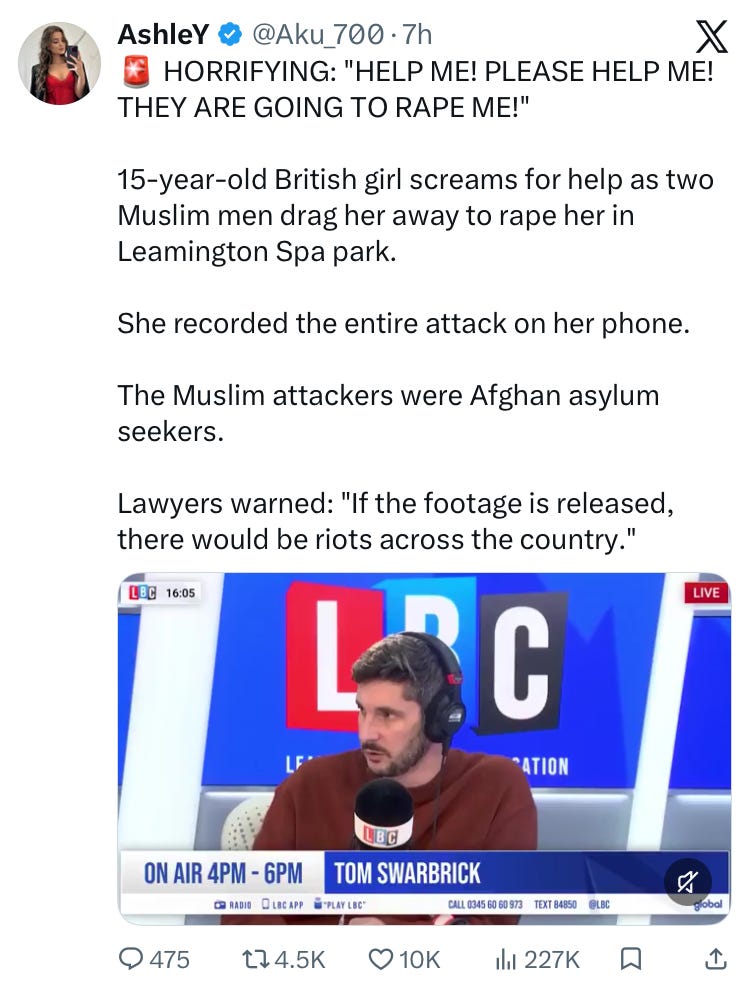
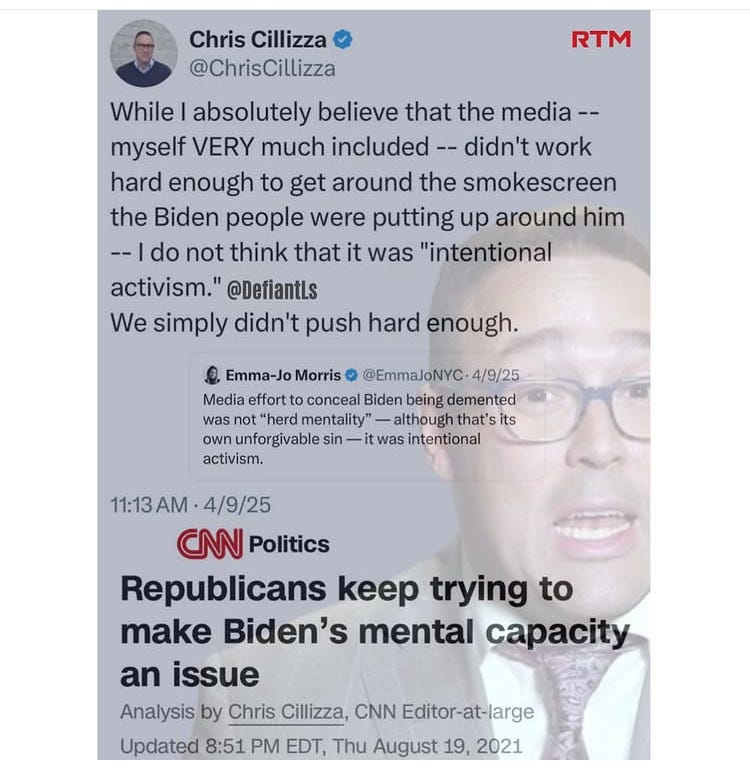

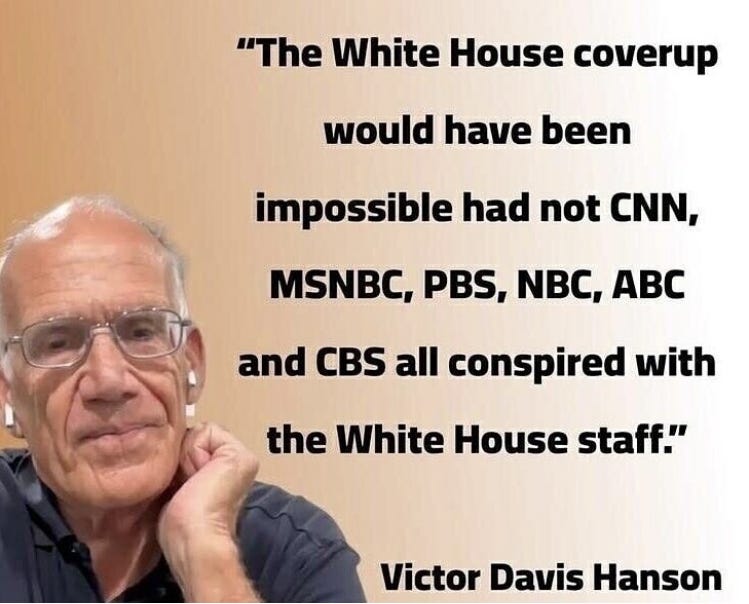
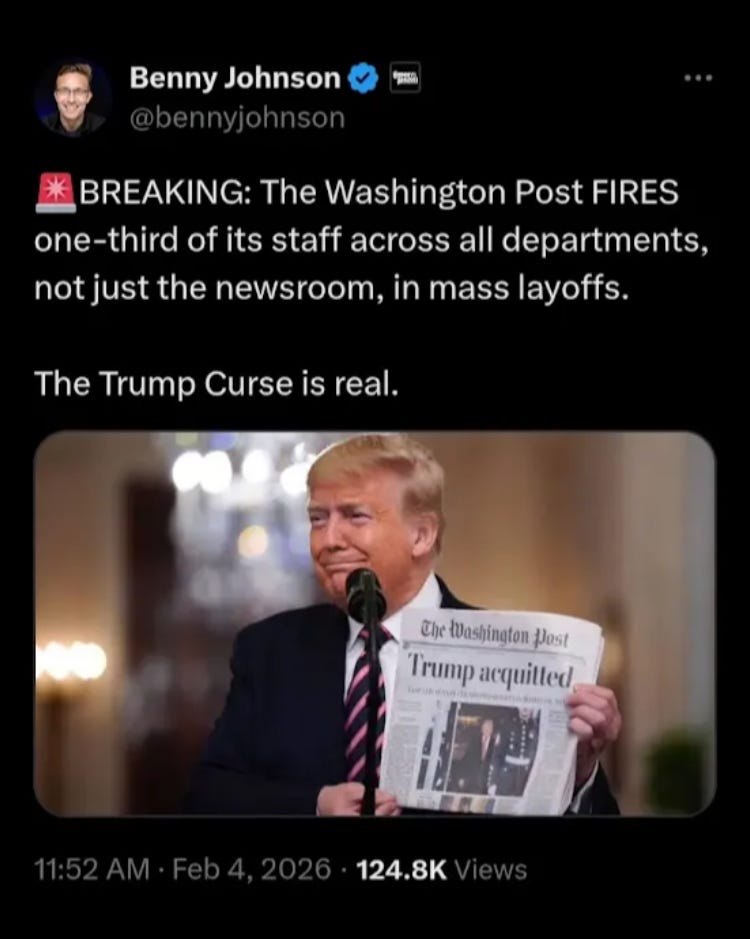
To be clear, it’s not that certain positions are proscribed or that certain courtesies must be observed with discussing the issues. These issues cannot be acknowledged or discussed at all. There is no approved forum or format for dealing with these problems. The news stories continue to appear (usually in smaller or heterodox outlets) and the X.com posts continue to proliferate, and the legacy media and policymakers and academics pretend as if the trends are simply invisible. They don’t try to deny them - that would indicate possible sincere disbelief. They pretend that they simply don’t exist. And that is a strategy that is difficult to explain, unless there was some element of falsehood involved.
The aggregate effects of the systematic bias of the information distribution complex are obvious to anyone who’s being honest with themselves:
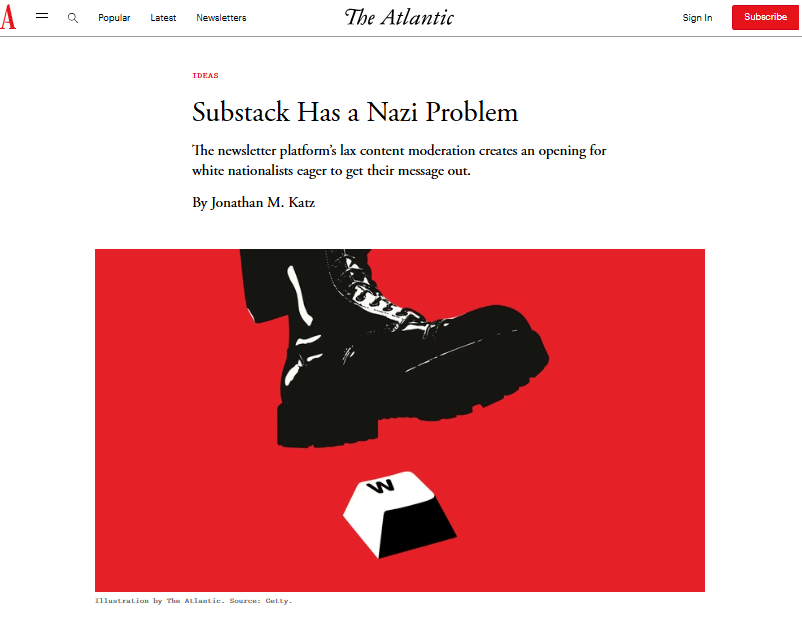
The new window onto the world is social media, especially X.com and Rumble and Substack and similar heterodox and dissident platforms. The enforcers of regime orthodoxy have tried to curtail or suppress or control all of these routes of information in different ways during the past decade. British politicians pass digital ID, Europeans leaders blame Elon Musk for social unrest, progressives on Substack manufacture an “issue” involving white supremacists on the platform (writers which have only a few likes between them… remember this debate several years ago?), the state of California passes a law trying to compel Rumble to gather user data and report it in the interest of “content moderation” (narrative control).
Individuals and platforms have been debanked, users have been monitored and had their accounts shut down (even at the behest of the federal government in the United States, a clear violation of the First Amendment), professors have been quietly removed from their teaching and research roles.

All of this furious online activity is relatively recent. 5 years ago X.com wasn’t X.com, and sharing this content was discouraged and the content itself was heavily throttled; 10 years ago we didn’t have this degree of social dysfunction; 20 years ago the platforms didn’t exist. It’s growth and increasing influence certainly has a great deal to do with the growth of a kind of dissident rightwing feeling. And the increasingly brittle and false tone of the reigning institutions has weakened them: it has dictated that only those people who (1) actually believe the orthodoxy (fairly unintelligent people) or (2) don’t believe or have doubts but are willing to ignore them in the service of social conformity (feminized or ethically flexible people) can participate. This (among other things) has led to a drastic drop in the quality of people who participate in these institutions.
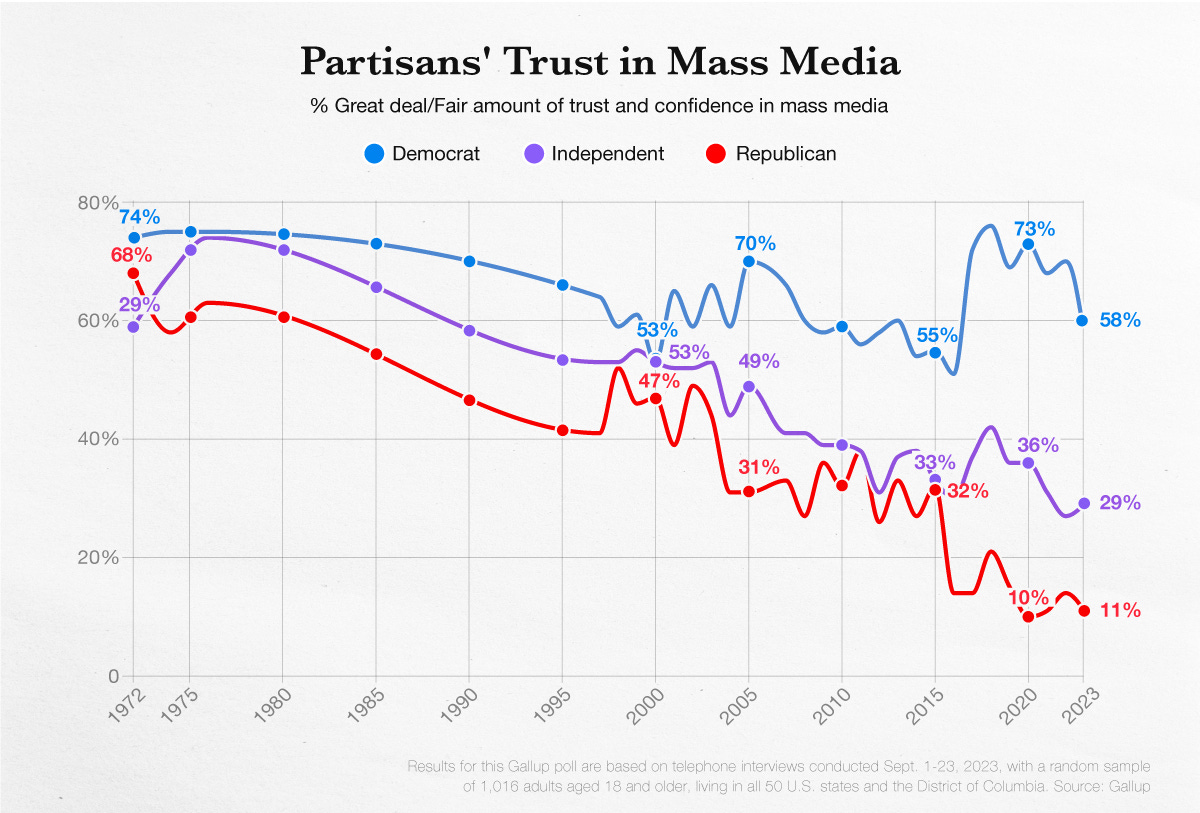
Even as the professional managerial class descends into dysfunction and drifts farther leftward, caught in its own ideological currents and stubbornly refusing to account for the consequences of feminism or mass immigration or DEI, the mainstream becomes ever more skeptical of their claims and authority.

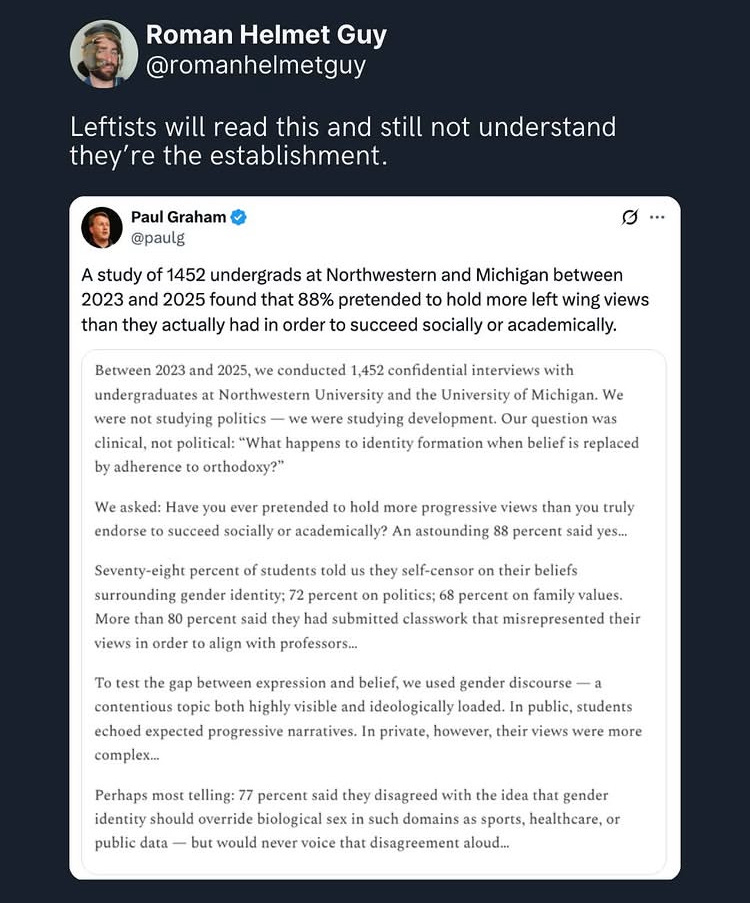
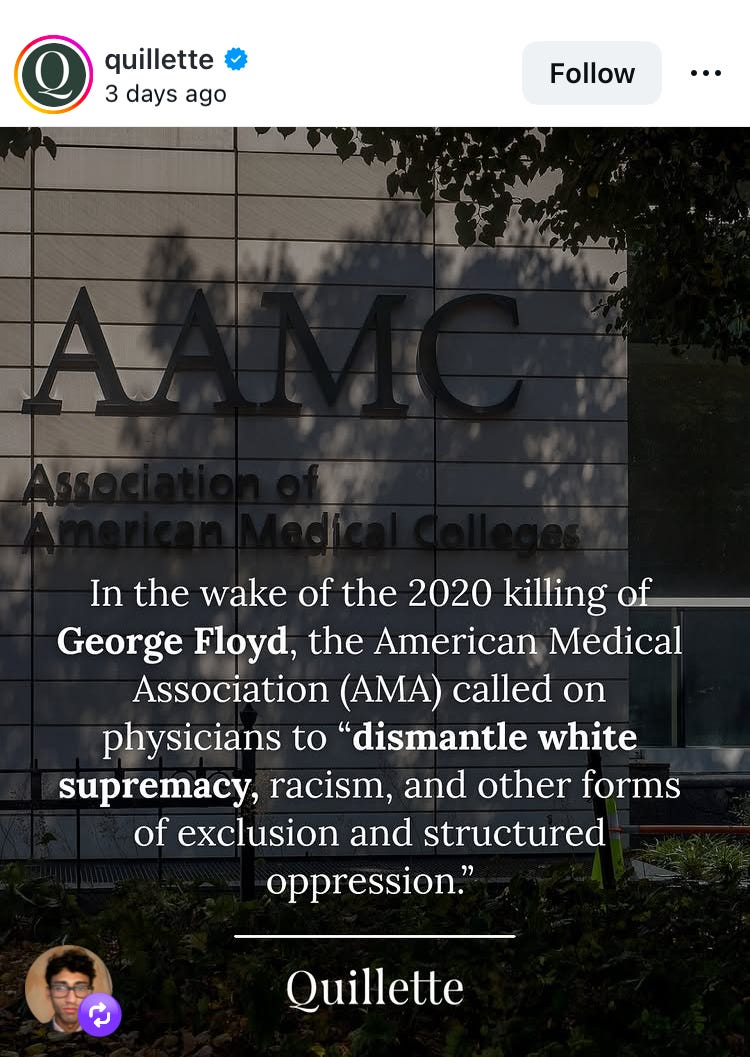
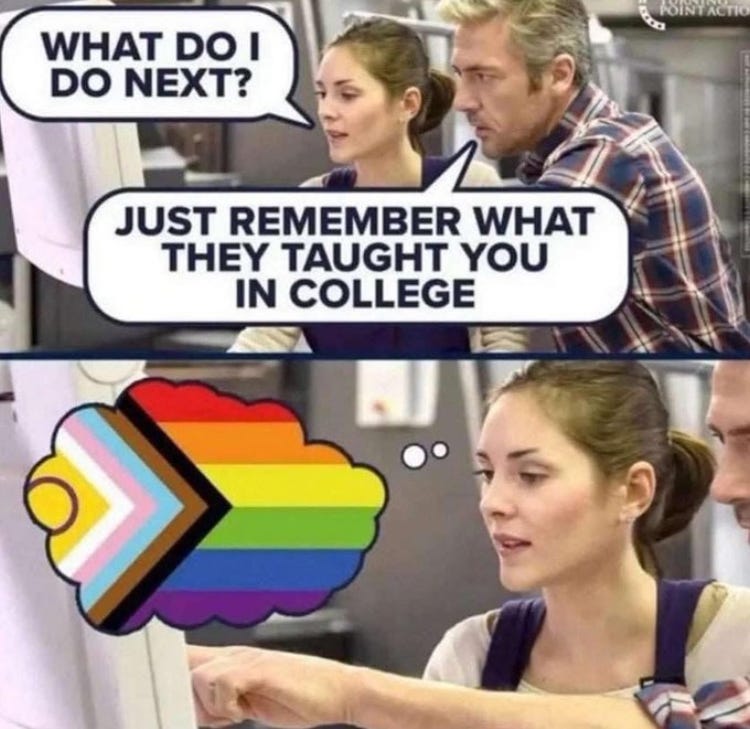
The profound ideological capture of our social institutions is a function of cultural imbalance: radically antitraditional, egalitarian, and feminist views are acceptable and even rewarded. Radical traditional (i.e., reactionary), hierarchical, or patriarchal views are not only unacceptable - they are liable to get you warned, shamed, ostracized, or fired. When you apply this pattern to a large organization which is mostly comprised of feminine men or women - where leadership is rare and not rewarded and where cowardice, passivity, and/or ambition are the norm - you get this result: institution after institution falling to the water-down mission items of Critical Theory. Resisting this subversive drift would imperil men’s (or women’s) careers, and so no one does.
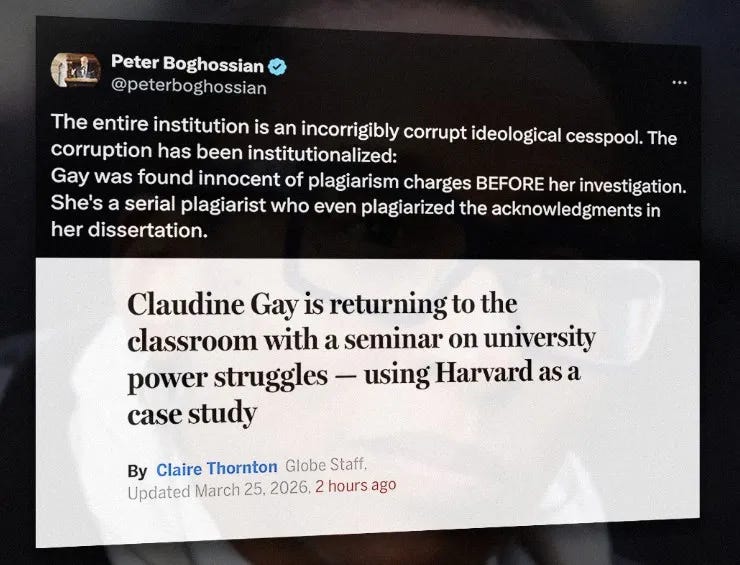
The orthodoxies are cracking a bit more every day. What this means for policy and for elections is as of yet unclear. Those orthodoxies are still firmly in place in the workplace (where transgressing the progressive picture of reality can easily get you fired by the HR bureaucracy) and in K-12 education and in academia. But in reality - in the world that people see when they leave their homes and when they venture onto social media - this system of belief doesn’t constitute and orthodoxy at all. It’s rather an artificial and sanctimonious set of beliefs that everyone knows that they’re supposed to believe (or at least publicly sign on to), but which few do. The only people who still subscribe to the orthodoxy are the members of Curtis Yarvin’s ‘Cathedral',’ plus older people and richer people and women who exist in layers of privilege and are unwilling to allow their thoughts and conversations to wander freely (sensing social danger there).
What are the orthodoxies of which I speak?
Black people in the United States are equally capable and socialized and ethical as white people, and so the disparities we see are due, primarily, to discrimination and other systemic barriers.
The reality we see:
 aka@akafaceUSThis is what we call black fatigue.9:26 AM · Jan 14, 2026 · 24.4K Views186 Replies · 134 Reposts · 805 Likes
 The General@1776General_Black fatigue How much more can you take?9:14 AM · May 18, 2025 · 611K Views3.81K Replies · 1.59K Reposts · 7.14K Likes
 Chicago Flips Red@FlipChicagoRedCHICAGO’S TEEN RIOTS SHOULD BE A WAKE-UP CALL Chicago has witnessed a series of teen riots and other violent youth disturbances that have resulted in assaults, vandalism, arrests, and disruptions to businesses, residents, and neighborhoods across the city. Most recently, the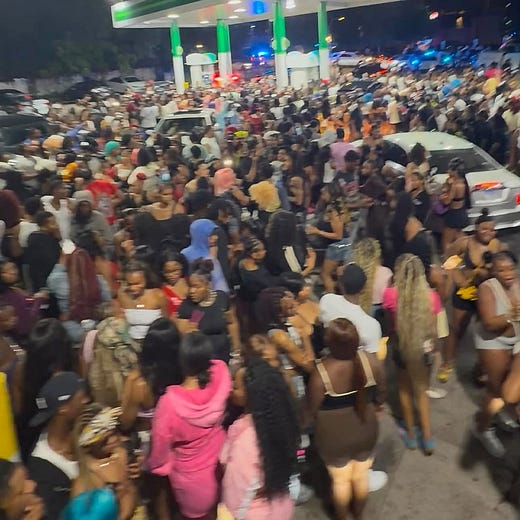

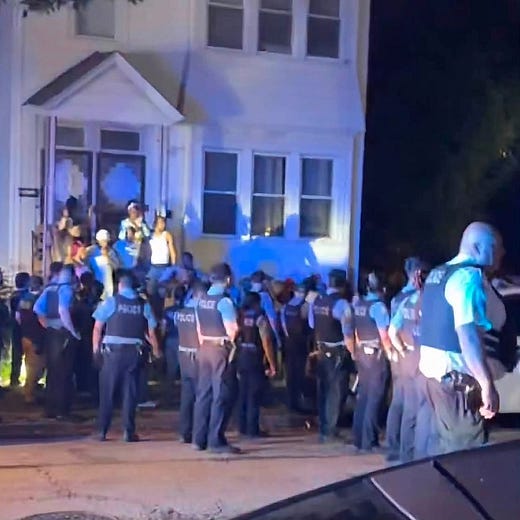
 2:19 PM · Jul 20, 2026 · 2.12K Views6 Replies · 55 Reposts · 126 Likes
 Defiant L’s@DefiantLsElementary students attack a pregnant mother and her child in Chicago…2:20 PM · Nov 19, 2025 · 71K Views244 Replies · 137 Reposts · 595 Likes
Women are economically interchangeable with men, and form their ideas and sense of responsibility and relate to each other socially and professionally in much the same way. Therefore, any generalizations made about women or the effect of women moving into new areas of society (like the concept of “feminization”) are suspect and probably invalid. Women don’t want to be dependent upon men (that’s the patriarchy, after all), and they don’t use manipulation or gaslighting or deceit or sexuality to exploit men or to burnish their public images or advance in their careers. Feminism demands that women be equally capable (at least potentially) and that they desire their own independent agency. If they don’t want these things, that failing must be laid to rest at the feet of men or masculine social structures as well.
The reality we see:
 STUNNER@Cr7Godbrand“I once sat in on a divorce hearing in Texas. The husband, a quiet accountant, presented spreadsheets, bank records, and a timeline of his wife’s spending sprees and infidelities. He spoke calmly, factually, without emotion. The wife screamed, sobbed, slammed her fist on the1:02 AM · Nov 9, 2025 · 2.95M Views968 Replies · 4.43K Reposts · 39K Likes
 🏘️IamEri'Oluwa🇳🇬@IamEriOluwaThis isn’t an anger issue; it’s an obvious sign of a damaged woman. Such women are destructive, selfish, unreasonable, possessive, promiscuous and irrational. How can you just jump up and start doing this simply because your boyfriend didn’t pick up a call? My phone is mostly
 Melanin Queen👑🌹 @onlyone_successHer boyfriend didn't respond to her messages for 6 hours. She went straight to his house and did this. 🤦 There are levels to anger issues.6:23 PM · Jul 23, 2026 · 329 Views2 Replies · 2 Reposts · 5 Likes
 Men Are Human@men_are_humanEntitled. Utterly entitled. This is what #Feminist have done to dating.7:43 AM · Sep 15, 2025 · 191K Views921 Replies · 173 Reposts · 1.86K Likes
 🦴💀🔥blubber_bones 🔥💀🦴@blubber_bonesSadly this is the attitude of most modern parents especially mothers This is why we now have a society of spoiled entitled narcissistic Insufferably psychopathic Female supremacist who have confused cruelty with empowerment and believe That all men owe them while deserving
 Archangel @wholetruthblogParasites will try to convince you that their parasitism is natural and you have the power bc you’re the host.4:19 PM · Jul 23, 2026 · 60 Views4 Likes
 ︎ ︎venom@venom1sMost Gen Z feminist girls in India are exactly like her. They can't talk for two minutes without hating on men. Funny thing is, all of them are unemployed, greedy, and dependent on their fathers, yet they want a high-income man. Basically, beggars with the attitude of a queen.
 2:29 PM · Jul 19, 2026 · 10.5K Views25 Replies · 90 Reposts · 465 Likes
Immigrant groups are - in sum if not always individually - a benefit to our societies and any national chauvinism or suggestion that the interest of natives should be considered when deciding whether or not to admit them (or to let them stay) is invalid.
The reality we see:
 The Patriots Voice 🏴 🇬🇧@Proudofthisland🚨 SHOCKING footage from southern France: Elderly man brutally attacked in broad daylight outside his own home by a gang of African migrants. They swarm him, knock him down, and steal his watch like it’s nothing. This is what unchecked migration looks like - migrants doing12:36 PM · Jul 23, 2026 · 12.4K Views35 Replies · 308 Reposts · 484 Likes
 THE INTEL PATRIOT 🇺🇸@DeIntelpatriotUK: Migrants attack police officers — one cop begs, “Don’t beat me! I’m on your side, I’m not racist and pro-Islam!” Do you support ending the woke British government? A. Yes B. No12:35 PM · Jul 13, 2026 · 144K Views1.82K Replies · 1.57K Reposts · 4.24K Likes
 Dr. Maalouf @realMaaloufGERMANY: Police officers were attacked and jumped on by a pack of migrants after attempting to arrest one of them for making sexual advances against a young underage girl in a park in Hamburg. They all rushed in to ‘protect’ their friend. Unbelievable.1:35 PM · Jul 21, 2026 · 188K Views1.25K Replies · 4.93K Reposts · 13.6K LikesThe General@1776General_Politician in Europe who campaigned for migrant rights was attacked and beaten by migrants. Sometimes you have to learn the hard way.
 5:09 PM · Jul 23, 2026 · 1.45K Views10 Replies · 28 Reposts · 87 Likes
Trans and queer people are (1) admirable (this is an implicit idea, to be sure, but it’s one which is constantly reinforced in our culture) and (2) victimized. This victimization is so pervasive and substantial that it defines every aspect of their lives and should always be noted and taken into account when speaking of or dealing with people of these groups.
The reality we see:
 Joey Mannarino@JoeyMannarinoA grown man dressed up like a little girl, creeping around the kids’ candy aisle filming himself going “Wanna get some candy?” This is the trans movement in real time. Mental illness, fetish, and straight-up predator behavior all rolled into one.12:02 PM · Jul 22, 2026 · 1.95M Views3.32K Replies · 11.4K Reposts · 43K Likes
 New York Post@nypostTrans Florida Student Arrested After Explosive Meltdown Over 'Misgendering'9:39 AM · Jul 21, 2026 · 33.9M Views8.89K Replies · 4.31K Reposts · 45.9K Likes
 RadioGenoa@RadioGenoaMiss Netherlands and Portugal are two trans men. What do you think?8:51 AM · Feb 28, 2024 · 2.04M Views6.91K Replies · 1.05K Reposts · 3.89K Likes
 Nick Sortor@nicksortor🚨 IT’S CONFIRMED: The Tumbler Ridge School shooter who kiIIed 10 in Canada has been identified as 17-year-old TRANS Jesse Strang SO freaking predictable. He started transitioning at 15 and was prescribed HEAVY SSRIs. Wokeism KlLLS.3:02 PM · Feb 11, 2026 · 834K Views2.2K Replies · 8.09K Reposts · 26.2K Likes
Educators / doctors / lawyers / nurses / academics care deeply about the quality of their work and about the ethical bounds of their professions. Any suggestion that they would sacrifice these goods for career or status or to maintain their reputation or income isn’t so much disputed as completely ignored. Academics are rigorous, educators care above all about their students, lawyers attend to the law, etc.
The reality we see:
 James Goddard@JamesPGoddard90BRITISH JUSTICE IS EMBARRASSING A Jordanian asylum seeker has avoided a prison sentence after assaulting a female police officer. Jordanian national Mustafa Al Mbaidin cannot speak English and would need a full-time translator with him if he were to do a period of unpaid work
 12:50 PM · Jul 18, 2024 · 2.93K Views16 Replies · 20 Reposts · 79 Likes
 “Sudden And Unexpected”@toobaffledGarnet Harper, a 35-year-old father of five beautiful children, was denied a life-saving kidney transplant in Ontario, solely because he wasn’t vaccinated against COVID. 💔😔 Despite two of his brothers volunteering to donate, no doctor or hospital would perform the surgery.
 5:55 AM · Jul 21, 2026 · 589K Views2.65K Replies · 13.8K Reposts · 32.6K Likes
 DocumentingLibs@HistorianUSA1This leftist ICU nurse with a receding hairline is absolutely deranged. She gleefully spreads baseless rumors that Trump is at Walter Reed, then rallies the “Witches of TikTok” to chant “woo woo” spells wishing him dead from a stroke or heart attack. She fantasizes about a5:55 PM · Apr 5, 2026 · 114K Views623 Replies · 1.25K Reposts · 2.32K LikesNew York Post@nypostFormer Amazon 'teacher of the year' arrested for allegedly raping 14-year-old student in Massachusetts trib.al/i0zGtWw
 12:37 AM · Jul 23, 2026 · 37.3K Views57 Replies · 266 Reposts · 838 Likes
 NizNellie3@NizNellie3🚨 “No child should be trapped in a government run school with a teacher who celebrates murder.” - Education Secretary Linda McMahon. It’s been 271 days since our Education Secretary made this comment. Children are still trapped. Lucy Martinez is a school teacher at Nathan
 Secretary Linda McMahon @EDSecMcMahonTeachers are entrusted to educate the next generation of American students by modeling respect and integrity. No child should be trapped in a government run school with a teacher who celebrates murder.3:23 PM · Jul 23, 2026 · 4.95K Views22 Replies · 331 Reposts · 556 Likes
The bureaucracy is a structure of straightforward public service and social benefit, trying to help people and to meet their needs. It’s not fraudulent, it doesn’t cultivate dependency, and it’s not parasitic or expansionist. It is a necessary and worthwhile element of American society, and the dissolution of the Department of Education and huge swathes of USAID programming were therefore sad and harmful decisions (even if the harm is difficult to identify or quantify).
The reality we see:
 Sassafrass84@Sassafrass_84Harriet Hagerman on the Department of Education. Just listen. 👇 "The DOE has a budget of 280 billion dollars a year. Less than 25% goes to educating our children. (It shows too)" "So where does the other 220 billion go?" "It goes to bureaucracy. It goes to a consultant. It5:34 PM · Mar 7, 2025 · 1.28M Views2.05K Replies · 32.9K Reposts · 80.6K Likes


Oftentimes, the orthodoxies contradict one another. Multiculturalists who endeavor to emphasize the benign nature of foreign cohorts are challenged by the behavior of those groups when dealing with queer or trans people or feminists, for example:


The IDC and Western regimes are responding by passing laws, changing data reporting practices, and amending their public statements. When it comes to many outstanding issues - even major, unsolved crimes - they are refusing to issue any statement or information whatsoever. What official information gets into the discourse happens due to leaking and citizen journalism (which is now more effective than institutional journalism).
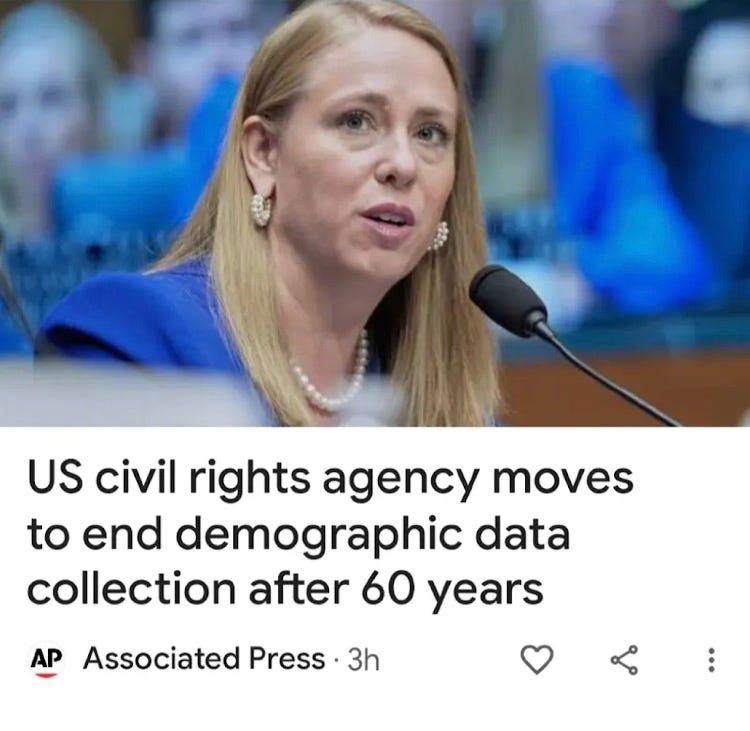
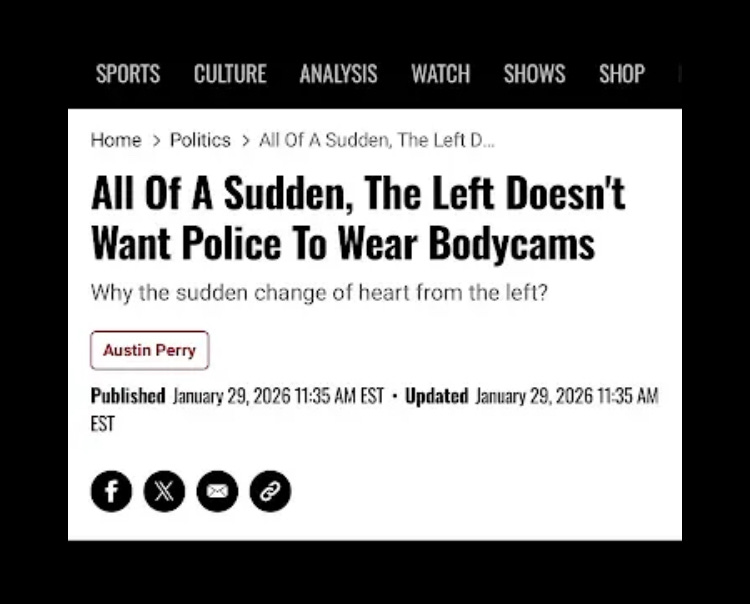

Bodycam usage by police went from being a central demand of anti-police activists to a disliked and discouraged policy change. I wonder why.
There is a lively, reality-based, freewheeling discussion happening online. But few people ask why none of these claims can be made or questions asked within the boundaries of schools, universities, newsrooms, or corporate workplaces. This isn’t a matter of politeness (offending a reactionary is no matter) - this is a system of politico-cultural narrative control by a class and the institutions they control. It is the product and the replicator of ideological capture.

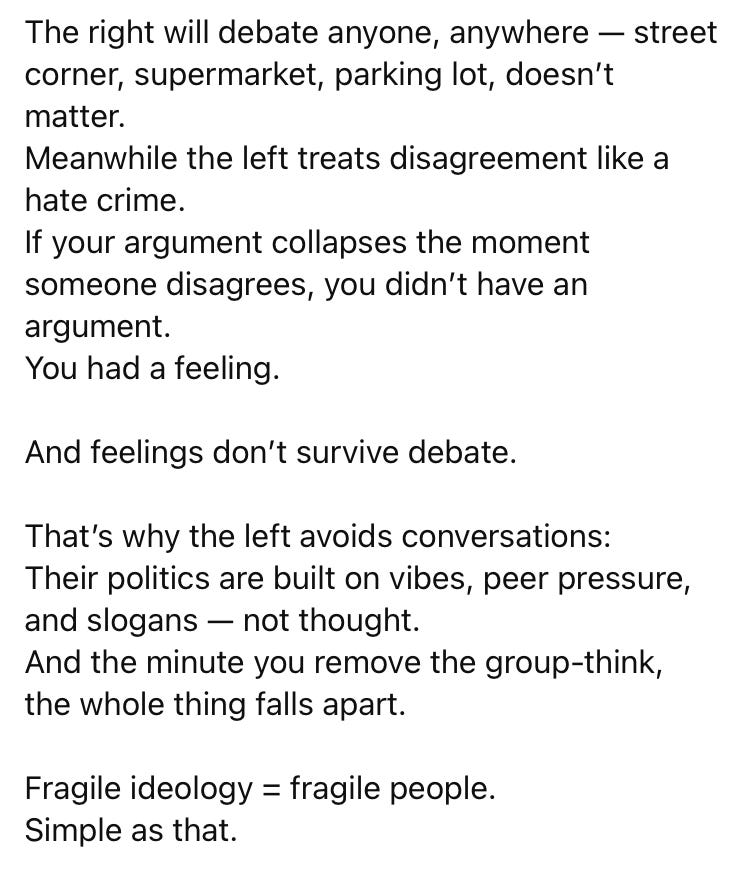
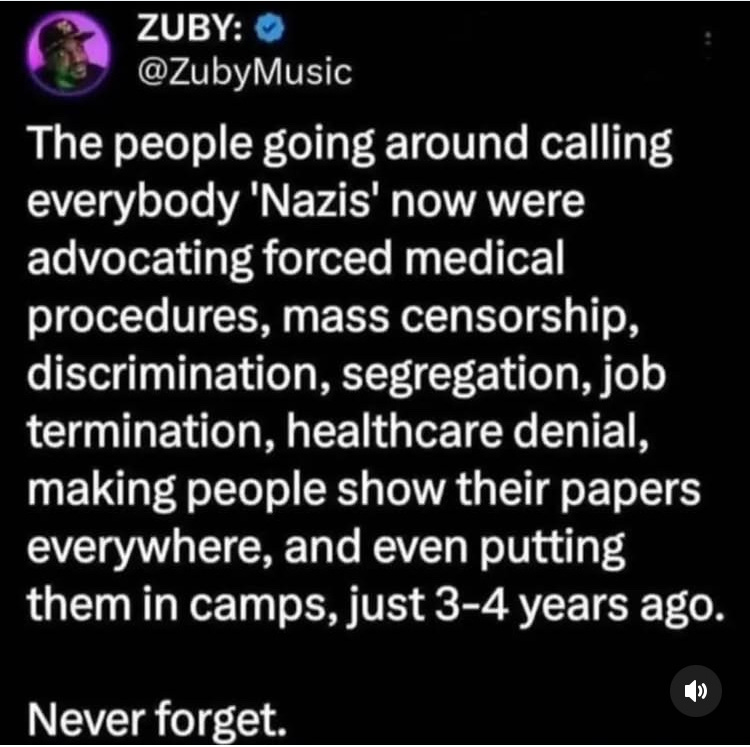

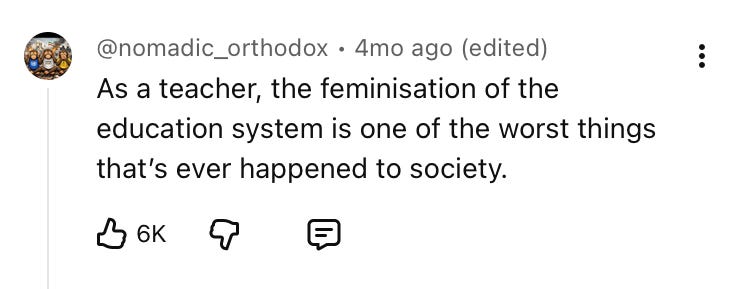

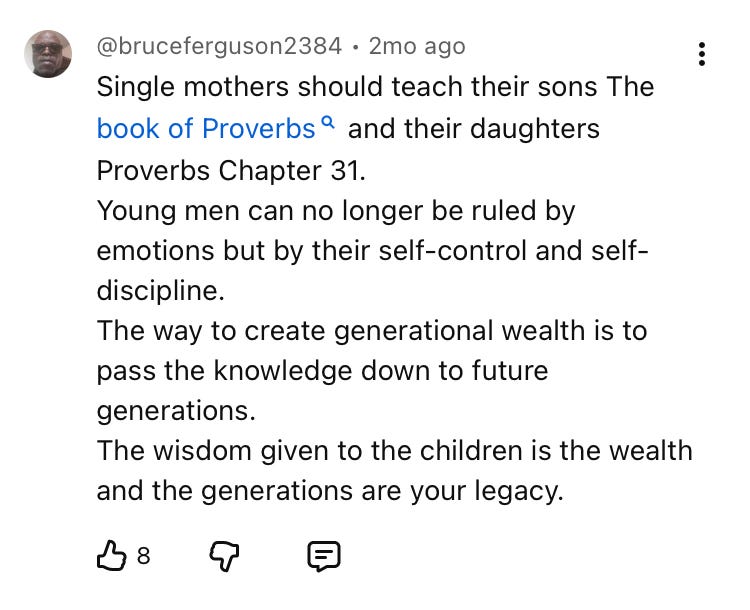
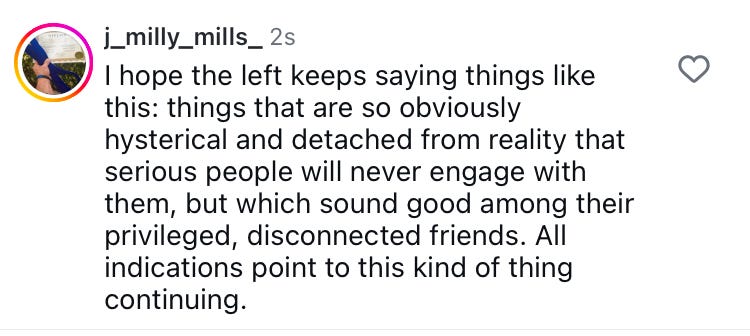
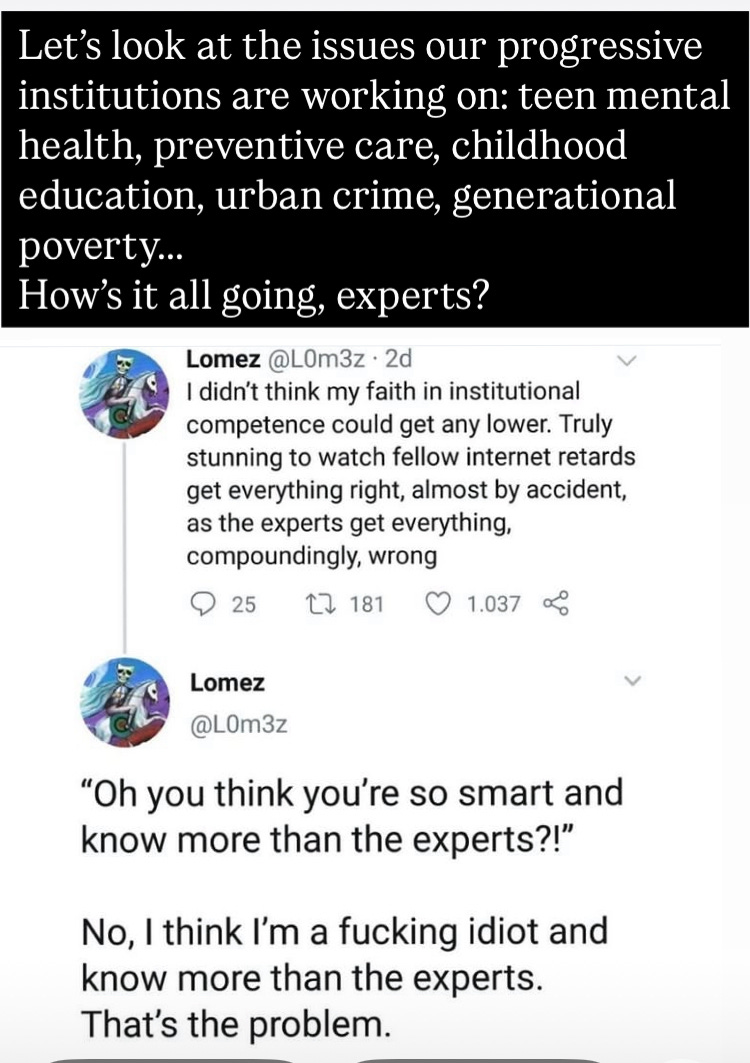
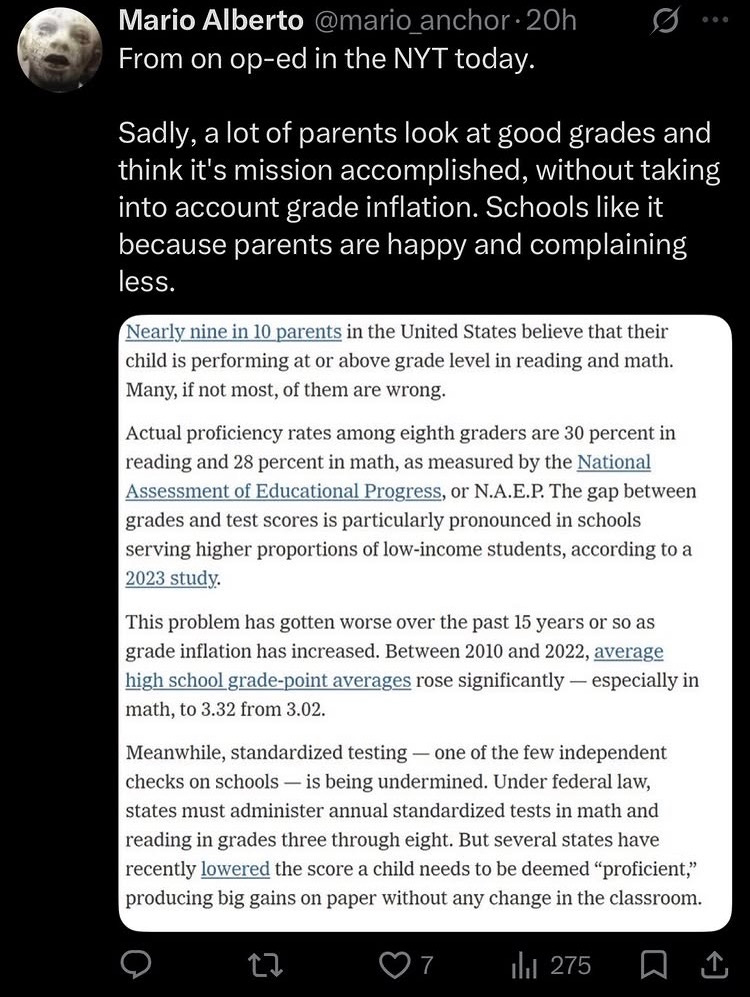
Within the institutional mainstream, the barriers to noticing and discussing reality are as solid as ever. But the mainstream is becoming increasingly hidebound, disconnected, and dysfunctional because of this. Academia refuses to admit original, creative, energetic, nonconformist men… so those men go elsewhere and create counterweights to journals and panels of insiders. Multiculturalism skeptics cannot find employment in the legacy media… so they write on Substack. Schoolteachers are forbidden from noticing the effects of single parenthood or psychological feminization on students… so they being tutoring, or they continue to work as subversive elements against the bureaucracy. Young men cannot hack through the thicket of corporate feminism and pop psychology in their dealings with entitled and confused young women… so they travel abroad.
That is the factor that the IDC is overlooking: people make do. Thoughts cannot easily be controlled, especially at the margins. New institutions emerge. Governments fall.
Reality never goes away, no matter how earnestly you wish that it would.
Thanks for reading. Take care of yourself.