I’m still in the process of editing and tightening this essay. There were reasons that compelled me to post it sooner rather than later. It will be corrected and expanded in time. Your input is greatly appreciated.
Troubled by ruminations on social decay, and increasingly discouraged by the slow decline I saw around me, I thought long and hard about what could be done.
This is a mostly descriptive, rather than a prescriptive, essay. I try to identify what is happening, where the basic cultural dysfunctions are rooted (for these are cultural problems), and what the way forward might look like. This isn’t an instruction manual - we are fairly powerless to fix the larger social problems that confront us, and that is by design. However, there are glimmers of hope, and that hope will increase (ironically) as the old social system of increasingly large organizations, driven by surplus consumption and the growth of the administrative state, collapses. As the collapse happens, the cultural script that we are all using right now (yes, even us skeptics) will be discredited, and a new and more adaptive culture will rise to take its place. This is the familiar cycle of history. Don’t let the postwar complacency of the modern technocratic West lull you into believing that our system is eternal, or even stable. The problems that face us are simply too large, too well-established, and too little amenable to political reform within the current system. We need a better system. We need a better culture. Many of us recognize that, but we feel a bit lost as to how it’s all to come about. Perhaps this will help.
Culturally Subverted
One of my overriding complaints about elite culture these days is that it’s purely negative, both in ideals and prescriptions. Being constituted in intentional opposition to the things of the past, and having formed ideals that are - in essence - utopian, no detail is given as to what will replace the things we’ve lost. There’s a great and blindingly obvious reason for this: the elites have nothing lasting to offer.
Take one striking example. Heteronormativity has an unpleasant associationin the contemporary mainstream. Any suggestion that two parents are generally optimal for raising children or that men and women falling in love is the greatest social good we can entertain isn’t so much refuted as slyly brushed aside. The vast machinery of cultural meaning puts gay people and other gender/sexual minorities into basically every product possible, and the front pages of legacy media are plastered with critical explorations of the downsides of heterosexual (never homosexual) dating and marriage and child-rearing.
The effects of this are increasingly clear. Most young women are ambivalent towards or actively dislike their male counterparts. Elite celebration of divorce and polyamory and even infidelity are more frequent than ever.
According to this study, only 7% of men in the same range have a negative view of the opposite gender.
In terms of policy, we have erected a generous system of set-asides and transfer payments and legal privileges for women who choose to have children outside of marriage, or who choose to leave their husbands. Of course, this also helps the women who are widowed or whose husbands leave them, but these cases are given no special status. It is a woman’s right, in contemporary society, to have sex with whomever she likes, and it’s also her right to leave her husband for any reason that she authors. No shame or criticism will ever descend onto her from the culture. The idea that women should not have sex with unreliable men, or that wives with children should generally stay married to their husbands and men to their wives, regardless of the personal impulses of feelings of the people involved has evaporated, carried away in the strong winds of the sexual revolution aftermath.
Children will never be taught, by public schools or government agencies or education campaigns, that there is something normative or special about the heterosexual bond. They won’t always be taught the opposite of course (that there is something special about non-heterosexual people and relationships) but when one message is emphasized it will invariably be the latter.
It is not an exaggeration to say that every girl who grows up today (save perhaps those in insular, religious communities) is taught that some degree of promiscuity is healthy and natural, that feelings should guide you in relationships, that your personal beliefs and agency are of paramount importance and - further - that your twenties is not for marriage or childbirth, but for self-discovery, sexual exploration, travel, and career advancement. Many will ignore the messages, of course, but those are the messages they receive. Those are the messages coming from educational institutions, cultural products, and (especially) the elite. The love between a man and a woman, which is now known as heteronormativity (a concept that didn’t even exist 40 years ago and now is known by most adolescents in this country), has an unpleasant association in the modern mainstream. These kinds of manufactured, status-driven, corrosive cultural attitudes are known as cultural subversion. I’ll give you one prominent example: women generally don’t prefer sexual promiscuity. Because of the risks and challenges of getting pregnant without the reliable aid and protection of a man, they usually avoid casual sex (unless they are psychologically damaged or disinhibited), preferring instead commitment and emotional connection. But our culture now definitely, undeniably, champions promiscuity as a lifestyle and a trait for women. Most young women will now boast about promiscuity or criticize judgment of it, a complete inversion of even a generation earlier. And the vast majority of cultural forces, from Seinfeld to TikTok enforce this fashion. And women still don’t like promiscuity or reckless sex!
In other words: it is important that you (young women) push back against cultural norms and interpret them as oppressive. Why is this important? Because the culture must be changed, to deprioritize marriage and children and community.
If the past ten years has taught us anything, it is that women (as a class) can be engineered to care more about status and social trends than they care about children or virtue or wisdom. Status shapes their decisions and their life courses and their relationships on a daily basis, and the other elements are increasingly discarded.
Yuri Bezmenov called this strategy “demoralization,” and he claimed it was the result of an organized campaign to weaken the West. I am agnostic as to that claim… but I find it suspicious that the varied attitudes which are busy eroding the certainties of 50 years ago (violent criminals should be punished, borders should be enforced, marriage is a wonderful and necessary thing which most adults should undertake) have all spread across the dozens of Western countries as if they’re being transmitted epidemiologically, pushed by the same interests and defended by the same classes using the exact same arguments. But perhaps it is organic. It should be noted that, while demoralization is a multi-generational process, lasting and irreversible social damage is done in only one.
But what’s the substitute for heteronormativity, exactly? No one really says. Everyone who’s spent 5 minutes looking at social science data (or anyone who’s lived in the hood) will tell you that single motherhood is a terrible option for raising boys and girls to be men and women. The boys end up more resentful (on the whole), more antisocial, and less able to be active fathers themselves. The girls end up more promiscuous, impulsive, selfish, and damaged. These are acceptable side-effects for a society which prizes individual desire and impulse above all else, but it’s a terrible price for communities to pay and it doesn’t much help the individuals. The liberal orthodoxy frames these questions in terms of freedom and preference, but they ignore the fact that happiness must be grounded in a stable and responsible social structure. And they ignore the massive element of cultural subversion. How many mainstream cultural stories or messages or news articles prominently feature the usefulness of a father’s love? And single motherhood is only one social symptom. ‘Hookup culture,’ polyamory (a concept that is being absolutely crammed down our throats by urban intelligentsia types), feminism (both the consumerist-corporate variety and the angry, misandrist political variety) all arise from this invisible but suffocating stigma against heterosexual marriage. Divorces proliferate. The vast majority are initiated by women (especially women with college degrees, especially especially women with college degrees who are the main breadwinners) but men take advantage of the cultural landscape to cheat, neglect their partners, and generally pursue their own selfish desires. Unlike female behavior, there’s a fair amount of cultural disgust with selfish and antisocial men (at least in theory), but not enough to make them care. This is the landscape that has replaced the old certainty of courtship - marriage - child-raising… and it grows worse every day.
The idea of a man and a woman pairing up for life as the default cultural mode was consciously and vigorously eroded, but they had no model fit for purpose ready to take its place. When political radicalism (the organized drive to deprioritize heterosexual marriage in favor of alternative lifestyles) intersects with the selfish urges of individuals, it turns out to be a powerful combination indeed. Only society suffers, but few people talk about the health of society anymore. Have you noticed that?
At this point I will intermit, to review the anthropological framing. I am driven to make these criticisms of our society not because they offend my personal values or conflict with my preferences or run counter to what I was taught in school. I was raised in this culture myself, after all. I also want women to choose their partners and follow their dreams and I want immigrants to be happy and I want criminals to have second chances. Society is (on the surface) very complicated, and some tolerance and compassion are wonderful things - necessary ingredients in the Western cultural stew that was, until recently, the envy of the globe.
It is only by exploring the norms and ideas of traditional cultures (including the long-gone ones of which we have a historical record) that we can truly understand the quality and direction of our own civilization. It’s pretensions of uniqueness and progressive inevitability are just those. If we don’t attend to the cultural basics (reward, punishment, marriage, children)
I make these arguments because what we’re doing isn’t working, and I can see that it’s not because I step outside the confusing mess of personal impulse and progressive platitudes and strictly enforced leftist norms of tolerance (which invariably ends up being tolerance merely for behaviors that are harmful for society). If you try to judge female promiscuity or single-parent households based on our cultural discourse you’ll quickly find yourself in a faux-libertarian cul-de-sac of preferential laissez-faire: everyone can live their own life. They can (and that attitude is one of the things that has made the West so livable) but I’m not talking about personal journeys or preferences. I’m talking about cultural norms, which must be larger than the urges and ideas of individuals and must be, in some sense, collective. Norms are (or should be) constituted for the good of society. I don’t have to know anything about the millions of people involved in modern dating and relationship formation to know that what we’re doing isn’t working. Perhaps it is creating deep and lasting happiness for all involved (it’s not of course - it’s suboptimal even in terms of personal fulfillment, as dating apps and hypergamy and the financial autonomy of individuals drive us farther and farther apart and erode monogamy more with every passing year) but even if it was the case that it was successful, it would be irrelevant. It’s not working because the poor and working class and the young are not forming relationships and no one - no mainstream native demographic group - is having enough children within those relationships. Human relationships don’t exist to make people happy. That’s just a pleasant and fortuitous side-effect. The happiness exists in order to cement the relationships, and the relationships exist to make and raise children. That has been the case for every surviving human society for the past million years. Try to imagine the cultural morphologies and memetic currents that have spread and split and variegated during that time. You can’t. There has been an incredible diversity of teleologies and values and ideas, across the entire world… and yet that feature has remained constant: relationships exist to make children. So: either we, in our confusion and ennui, have stumbled onto some amazing new cultural modality for which our ancestors would’ve envied us. Or we’re on the wrong track. Of course we have new technologies and tools and ideas. But none of them are substitutes for having children, and none of them even seem to be making us happier - on the contrary.
And even a TFR of 1.43 (for ages 25-35) is not enough…
You can apply my opening observation (modern elite culture has dedicated itself to criticism of the past without offering workable replacements) along with the anthropological farming to a number of policy frontiers today. I work in the world of education. Childhood education has taken a sharp turn into ‘the Longhouse,’ as maternal priorities of nurturing, supporting, validating, and forgiving students have become wholesale replacements for the older norms of discipline, standards and competition. This (like most of the changes I touch on here) has happened silently, such that the people working in schools now might have some vague understanding of old practices like difficult gym classes or corporal punishment (both now mostly extinct) but they don’t fully grasp the bizarre uniqueness of the new rules around IEP’s, anti-bullying, equity-centered disciplinary policies, and the smothering blanket of psychological safety.
In their eyes, they are carrying on largely as before (perhaps a bit more enlightened) - educating kids, enforcing rules, giving out tests and (much more rarely) homework. Education has been consumed by the standard criticisms of the left (of whiteness, elitism, meritocracy, stoicism and traditional masculinity, parental authority, etc.) but it has been entirely unable to formulate any working alternatives. They implement their reforms, and things get worse, and they endeavor to distort or hide the test scores and the metrics that prove the worsening, and hire more administrators and counselors and school therapists.
Medicine. Therapy. Community structure. Literature. Even the cinema - all have been swept away, muddied by the twin forces of selfish individualism and the progressive political agenda. One might imagine that these forces are opposite, or in tension, but one would be underestimating the nihilism of them both. Selfish individualism only cares about status and comfort and wealth and pleasure. The progressive coalition (despite their grand, moral, universal claims) only cares about power. They are, as it turns out, perfect bedfellows. And things continue to worsen.
If you’re reading this, you probably already have some inkling of the direction of our institutional decline, and the contributing factors. Unproductive people (single mothers, disabled workers, divorcees, the mentally ill, narcissists) continue to consume ever more of our productive output. Some of this is fraud, some is simply government redistribution. Alimony and child support can be included in this latter category. A lot more is inflated credentialism and rent-seeking economic activity: hospitals, insurance companies, universities, federal contractors, etc. Using the state - taxes, programs, privileges, regulations - to pad your account and extract value from harder workers is now abundantly common. Anarcho-tyranny continues to expand in our cities, fed by blue voters who have completely lost the plot and who now confuse their prejudices and media-generated delusions with reality. This dynamic is apparent when we consider that law-abiding people are surveilled, regulated, licensed, and harassed about an increasingly long list of everyday activities (enrolling children in daycare, installing solar panels, financing a non-electric vehicle, giving feedback to a child’s school, earning money as a barber, starting a business, buying a house, etc.) while predicate felons roam the streets enjoying effective immunity from grave criminal consequences for their myriad crimes (violent and non-).
Elections aren’t capable of solving the problem; there are too many opposing factors. This is partly by design. of course. Boomers invariably vote for their own enrichment, even at the expense of others. Professionals invariably vote (in large enough numbers to sustain all of the terrible policies I see) ostensibly in order to help some struggling group but actually in order to preserve their status and to feed their need for psychological validation. Unfortunately, these voters know nothing about the groups or the solutions (or human nature), and so they are ripe for virtue signaling and a kind of status-seeking bandwagon effect and manipulation by progressive activists (who have been manipulating them actively since secondary school and before). Economic dependents invariably vote to preserve and expand their entitlements.
Women generally vote for more redistribution, more government control, and more structures of safety (i.e., power). The legacy media does its part, constantly trying to weight the scales in favor of the managerial class (to which its members belong) and away from skepticism, federalism, tradition, sex and race realism, and industry. Even when the reliable constituencies are outvoted, corrupt election laws often negate the will of the people. And if all of this is surmounted… it hardly matters. The bureaucracy is so well entrenched and the beneficiaries are so numerous and entitled that only the most modest changes can be achieved.
The British population has been crying out for immigration reform for 20 years. They have begged for policymakers to drastically limit the influx of new residents, including asylum-seekers (understanding that migrants who travel through Turkey or North Africa and then Italy and France before arriving in Great Britain cannot simply be fleeing conflict) and on the margins they have called for “remigration”. This has fallen on deaf ears, to the point where the Conservative Party has almost gone extinct, mostly due to their unwillingness to enact immigration reform. But the truth is that their political intransigence is only half of the equation. The frightening reality is that Prime Ministers and Home Secretaries don’t control the levers of powers: human rights attorneys and bureaucrats and contractors and judges do, and all of these people instinctively act upon their class interests.
It’s little different here in the United States. How effective was Elon Musk’s drastic effort to trim the bloat of the federal administrative state (DOGE)? How effective has Donald Trump’s signature effort to undo the immigration chaos of the Biden administration years been? The truth is that on all of this issues (and many more) the ratchet only turns one way. If there is some plausible possibility of real reform, federal judges will intervene, protests will be organized, journalists will rouse themselves. Political violence is always an option as well. The popular will is irrelevant, as are the policy considerations. Every issue and debate is framed in moralistic terms (ignoring the obvious class interests at play - these are never discussed) and hysteria abounds. This frantic and increasingly desperate effort to protect the growth of the administrative state from all checks and reversals accounts for a significant share of the bizarrely naked bias we see in the legacy media. They simply cannot allow the trends which sustain the managerial class and grow its social power to be undone, and so they won’t be. Most working class Americans might want to cut lazy and exploitative people from the welfare rolls, require basic election integrity, and enforce criminal and immigration laws but there is a vast apparatus which simply cannot allow these priorities to be fully actualized. Its health depends on the United States growing lonelier, sicker, more distrustful, and more irresponsible. In a selfish, insecure, anxious, and atomized society the administrative state flourishes, and so - with little real leadership or direction - those are directions our society moves in. And even if the administrative state was trimmed and law and order consistently upheld and productivity respected… it’s too late. The cultural trends are too deeply embedded.
The managerial class is simply too disconnected from the issues which we rely upon them to resolve. Status now matters more to them than doing good in the world. The lobbies are too powerful. The government is too corrupt. The bad ideas (rent control, bail reform, equity, feminism, socialism) are too popular, especially among powerful and propertied voters. There is now, I believe, no hope of a purely democratic solution to our problems.
I see our civilization as a very fat, confused, distracted, compulsive man. He waddles around and abuses his own body and gives insufficient though for the morrow and treats others with abuse and entitlement. This is particularly sad, because mere years before our civilization (this young man) was downright heroic: disciplined and productive and dutiful. There was always a libertine streak of selfishness there and a kind of heedless optimism, but it’s only in this millennium that the self-centeredness has turned into nihilistic addiction and the optimism to an arrogant disregard for the certain future.
Our cratering birthrate is the central feature of our degenerative condition and the central symptom of our cultural demoralization. But there are other signs that we now occupy the terminal phase of our civilizational arc:
Powerful people and elites are using their wealth and connections to extract maximum value from the system. Fraud is everywhere, and its perpetrated by the people with the greatest stakes in the system’s success.
When Claudine Gay outrageously plagiarizes her academic work, she’s not just casting a shadow over her own career (although it bears noting that she’s still employed by Harvard University, making $900,000 each year). She’s actively destroying the institutional credibility of her academic sponsor, and of the academic system generally. This kind of scientific fraud and plagiarism is now an epidemic among senior social scientists.
These are not people who are invested in the system and trying to create value or a legacy. They are operators who have calculated that the rational move is to extract as much value from the organization as quickly and easily as possible, regardless of the consequences for the institutions which shelter them,
That kind of calculation is everywhere now.
The behavior of AI executives and investors and boosters appears to be consistent with item (1). During COVID the same could be said for the pharmaceutical industry. These moves exceed the normal maneuvering for power and advantage. They erode the very foundations of society, and yet the companies apparently don’t care. Their primary goal appears to be the extraction of value.
A bubble of debt and speculation appears to be forming around AI (driven by the fact that virtually all of the stock market growth during the past two years has been generated by AI hype) and there are suspicious deaths of whistleblowers and OpenAI has apparently purchased a fintech-focused podcast (for a reported $100 million) and they seem to be enthusiastically colluding with the Department of Defense and the intelligence agencies to drive a no-limits approach to surveillance and warfare, and…
The danger signs simply keep multiplying. But we don’t have to traffic in Cyberpunk-style fantasies to see the toxic dynamic at work here. This is the same process at play in the corruption of Chicago Public Schools (indeed, the corruption of virtually every major urban public school system) and the degeneration of academia and the imposition of artificial limits on Western home building: this is a rentier economy, in which the needs and priorities of the users and citizens are deprioritized, and the needs of the organization take precedence. In these kinds of structures value is meant to be extracted, and ‘the public good’ is merely a pretext for more parasitism. We can debate how much of the AI bubble is a rent-seeking phenomenon, but I suspect that the issue will be settled in short order. And keep in mind: this is the magical new technology upon which the hopes and future of the entirety of the Bulk (which is what I call the progressive-consumerist-bureaucratic social machine that is eating our reality) has been hung. There’s a definite air of immaturity and desperation about the whole enterprise. No technology with a solid use case and sound financial fundamentals needs to engage in such wild narrative strategies. Magical thinking and rent-seeking are extremely poor foundations for the world’s growth industry.
There’s no example of rent-seeking as salient or blatant as the exorbitant profits that senior congresspeople routinely make on consulting, speaking, and especially investing.
Nancy Pelosi’s stock values have increased by nearly 17,000% since she became a congresswoman in 1987, compared to a 2,300% increase for the Dow Jones as a whole (which itself is fairly suspect, considering the market fundamentals). She now has a portfolio values at over $134 million dollars. This kind of unexplained and mathematically improbable windfall is now extremely common among legislators, and almost never noted in the legacy media.
Ilhan Omar went from a declared negative net worth in 2019 (probably weighed down by student loan debt) to a disclosed estimated new worth of between $40,000 and $250,000 in 2022… to a disclosed estimated new worth of between $6 million and $30 million. Omar has been credibly accused of marrying her brother in order to gain legal residency for him (another story that the media is silent about). So her current husband is her third and, unlike her first two, the man (Tim Mynett) is connected - an elite political consultant. He made several business investments in 2023-2024. eStCru winery (valued $1M–$5M) and Rose Lake Capital were both acquired by Mynett and other investors, and became part of Omar’s net worth. Both businesses just happened to flower spectacularly, partly due to regulatory changes and fraud settlements (which were conveniently settled shortly after Mynett purchased them.
After congressional investigations were initiated, eStCru winery was closed and Mynett divested himself of his shares in Rose Lake Capital, suspiciously gaining zero recorded financial benefit. Omar’s net worth quickly returned to a moderate range. The couple is now valued at between $20,000 and $90,000.
Even if we were to take all of Omar’s filings at face value (which would be a very foolish move), the fact is that she can still work a full-time job and yet gain access of up to $30 million in financial assets within a year. Then she can make all of that wealth suddenly disappear as investigators close in. This is not a power that any normal citizen has, even very wealthy and well-connected ones. And it further illustrates the trend: societal stakeholders rushing to cash out, immunized from legal and social consequences and ignored by the legacy media. This phenomenon is happening all around us, and it is a sign of terminal decline.
Political violence is not just a growing problem - it is a widely accepted and celebrated phenomenon.
We’re just short of the scenario in which mainstream politicians ad celebrities openly endorse the murder of their opponents. As it stands right now, mayors can call for ICE to be resisted while ICE agents are being shot and ambushed, journalists can darkly hint at desires that investigators who are pulling the curtain back on the grimy innards of the administrative state be murdered, and news outlets can mostly ignore the repeated (three times, and counting) assassination attempts on a sitting president.
It’s a valuable social prerogative to feel like you’re on the moral side of things these days. It’s all about feeling, and very little about skepticism or open-mindedness or rigor. Acknowledging that the people who agree with you tend to be murderous and hateful and intolerant feels uncomfortable… so they don’t acknowledge it.
But this kind of implacable hostility makes our system unworkable. It not only desensitizes citizens to bullying and murder, but it creates a shield of immunity draped over all of the nonprofits and politicians and cultural creators who agree with a person - even if they’re narcissistic or false or foolish.
Related to the previous item, our institutions are plunging into ineffectuality and dysfunction. The Southern Poverty Law Center has been credibly accused of funding “extremist” groups. The public schools are wallowing in ignorance and indiscipline.
The ever-multiplying legion of therapists struggle to generate data showing that all of their efforts are actually - measurably - beneficial. The universities are burdened with nonsense. And all of these social institutions and more now require more personnel, more rules, more layers, and more resources… to generate ever-less social value.
Our voters and citizens are so mired in a kind of masochistic performative compassion that they endeavor to keep and protect illegal immigrants, help and forgive dangerous predators (even when they haven’t asked for forgiveness), and regard other cultures as automatically trustworthy.
The valence of these ideas (if not the actual quote) could easily be attributed to most elite class members in our society today. This effectively closes the door to a democratic solution to our problems.
This could be interpreted as a warped kind of humanist universal regard, except for the fact that our people and values and civilization are harshly judged and disdained by these people. This is a symptom of cultural subversion (also known as demoralization). Our people have been told that their culture is bad, their values are bad, and their history is bad with such regularity that some critical mass of them (disproportionately young, female, conformist, and educated) now fervently believe it. All signs point to them continuing to believe these things even as their beliefs weaken the foundations of our society and bring all of us closer to the brink of lawlessness.
Our elites are escaping into bunkers, onto islands, and spinning off into the epitome of all unnatural belief systems - transhumanism. This extreme logical culmination of the consumerist liberal worldview (with its attention to wealth and status, its bleak materialism, its view of human society as a kind of contraption made entirely of technological and economic inputs) will provoke the final consolidation of the antithetical culture, which will be natalist and communitarian.
Elites are meant to be the guiding vanguard of the society. They’re rewarded with a handsome stake in its success, and in return they reflect and enhance the qualities of virtue and industry and creativity which lies in its bones. Based on the attitudes and strategies of many of our elites, it seems that all of the vitality has been bled out of our bones. All that remains is a kind of obsessive, jealous drive for security and acquisition. Of course they use the language of empathy and humanism and progress… but no one really takes them seriously. These days those are just the things that powerful people are expected to say, while they continue on their way, satisfying secret motivations that are never verbalized (at least not publicly).
There’s an enormous corpus of study and speculation and cross-disciplinary writing on the margins and in heterodox spaces: Aporia, Quillette, Cymposium, etc. In these places, lively discourse can be found trying to tease apart our civilizational trajectory and diagnose our faults. Skepticism, philosophy, sociobiology and evolutionary psychology, anarcho-capitalist political theory, and a hundred other disciplines and subfields and data sets are employed. I regularly find the conclusions to be interesting and the points insightful.
There is little equivalent in the mainstream, or in the denuded landscape of progressive institutions. There, everything that’s worth knowing about human society has already been discovered and the only question is how the agenda can be executed to the best and fastest degree possible (although nothing ever really changes in these organizations, at least not for purely philosophical reasons). All ideas are laden with certainty, all are moralistic, and doubts or dissents about the proper goal or course of action is vanishingly rare. Sustainability? Student safety? Inclusion? Equity? Yes! Yes to each one, and as much as possible. All of these vague goals are simply pretexts for greater Blob expansion, of course.
But it’s not just on the narrow questions of policy or organizational language that the Blob is blind and complacent. When it comes to the deepest teleological questions of our civilization (i.e., what is all of this for?) and when it comes to inquiries about the direction we seem to be heading, the policymakers and academics and cultural creators are silent. Perhaps they have an inkling that their vision of life and society (human existence is constituted to maximize fulfillment for the individual, who should have no deeper constraining tie or obligation, and individuals from politically significant identity categories are especially important and redemptive) is, in the final analysis, quite bleak and shallow. Perhaps they understand that the institutions and fields of study which were supposed to redeem and liberate us - environmental nonprofits and community clinics and public schools and retail unions and protest coalitions and federal agencies and writer’s studios and sociology departments and feminist collectives - have, on every count, fallen short. Things are getting worse, in every direction. And we are past the point at which “the far-right” or billionaires can credibly be blamed for the failures (although they continue to try to blame them!). The cultural power of the institutional left is simply too oppressively uniform and too pervasive for them to avoid responsibility for our accelerating decay. Things are getting worse.
The inertial mass of public ignorance and media manipulation (millions of sanctimonious boomers earnestly ingesting their assigned 4 hours of CNN each day), plus the growing trend of suicidal empathy (whereby it becomes a high-status behavior for professional women and men to display compassion for criminals and foreigners, simply because they are), plus the massive weight of dependency - all of these guarantee failure for any vigorous, heterodox political coalition which pursues radical reform. And that is the only kind that will now suffice. Will any of the aging boomers in the United States willingly surrender the entitlements which are causing our groaning federal budget to slowly topple before our very eyes?
Baby boomers are approximately 19-20% of the U.S. population, but they consume the majority of entitlement spending. These figures don’ even include private and state pensions, which are enormous. The baby boomers are undeniably the most selfish generation in human history. In order to maintain their home values and extend their lives and finance their lifestyles they are profoundly bankrupting our country. Even if a critical mass of them turned against this gross parasitism it would be ineffective. Fully a majority of baby boomers would have to vote against their own Social Security and Medicaid entitlements, and that will never happen. This structure will continue to get more and more lopsided and unstable… until it topples over.
Baby boomers now control 51% of the wealth in the United States, and that share rises every year. They have not just shut young and working class people out of jobs and housing markets (DEI, environmental limits on building, NIMBY policies) but they have also disproportionately supported the growth of the administrative state and the promotion of policies which erode criminal penalties and obstruct deportations. They support these latter policies because their minds are captive to legacy media… and because doing so makes them feel like good people.
They no longer have an active stake in the wellbeing of their children and grandchildren (because they’re leading separate lives) and so their perspectives and class interests diverge sharply. And unlike previous aging generations, they are not inclined to self-sacrifice. That’s rather the problem - no one is.
It's an Aesop's Fables moment. The Boomers were born with it all, and not content with their riches, they squandered their parents' achievements. Not content with that, they destroyed their children's and grand-children's inheritance too. Once the land had been laid to waste, they turned to Narcissus' pool and preened: "wow, we were
But this is not a screed about the boomers. Urban minorities are entitled dependents. Professional women are entitled dependents (entitled in the sense that they benefit from a huge and artificial structure of credentialism and financial redistribution). Single mothers are entitled dependents. Black professionals are (in many cases, but not all) entitled dependents - dependent on DEI policies for their careers and their future advancement (and that knowledge instills a burning resentment inside them). If all of these groups are, on net, dependent then who are they depending on? Unfortunately, we all know the answer: the people in our country who make and fix and organize and build things. Factories, farms, mechanic garages, home developers and contractors and carpenters, engineering firms, plumbers - all of these primary producers are still the vital basis of our economic fortunes. All of the finance and AI and bureaucracy in the world is useless without things in the world to use and drive and occupy and eat. We have a huge system of entitlements and redistributory mechanisms, which have long since passed the point where any plausible argument could be made for need or for short-term assistance. These are deeply entrenched nd massive social structures which now have their own logic and incentives… and they’re devouring us. The Boomers are simply the most hungry and entitled of the diners.
And all of this is corrosive to the traditional American vision of a republican democracy, a society of landholders and producers and inventors and husbands and wives and free, resilient communities. We had such a society, within living memory but it’s gone now. Democracy is currently at the long predicted point at which the majority (enabled by the elites, who have their own interests) can and does vote themselves comfort and pleasure (not safety from starvation or homelessness) at the expense of the producers. Once a society has reached that point, democracy cannot address its problems. This is a structural issue, not a political one.
And this fails to include the most certain bellwether of our social collapse: the national debt. Some time ago, I wrote that:
Many people seem to be deliberately ignoring… potential catastrophes (like government insolvency), for political advantage, or emotional convenience. Are they conscious of their self-deception? Do they understand the blind spot which they have erected in their own worldview? They seem to be pursuing the Orwellian strategy of Doublethink:
Doublethink means the power of holding two contradictory beliefs in one’s mind simultaneously, and accepting both of them. The Party intellectual knows in which direction his memories must be altered; he therefore knows that he is playing tricks with reality; but by the exercise of doublethink he also satisfies himself that reality is not violated. The process has to be conscious, or it would not be carried out with sufficient precision, but it also has to be unconscious, or it would bring with it a feeling of falsity and hence of guilt. Doublethink lies at the very heart of Ingsoc, since the essential act of the Party is to use conscious deception while retaining the firmness of purpose that goes with complete honesty. To tell deliberate lies while genuinely believing in them, to forget any fact that has become inconvenient, and then, when it becomes necessary again, to draw it back from oblivion for just so long as it is needed, to deny the existence of objective reality and all the while to take account of the reality which one denies -- all this is indispensably necessary. Even in using the word doublethink it is necessary to exercise doublethink. For by using the word one admits that one is tampering with reality; by a fresh act of doublethink one erases this knowledge; and so on indefinitely, with the lie always one leap ahead of the truth. Ultimately it is by means of doublethink that the Party has been able -- and may, for all we know, continue to be able for thousands of years -- to arrest the course of history.
-George Orwell, 1984
Try to find graphics about our current debt level on Google right now. Try to find some mainstream political dialogue or proposals concerning the debt during the past 5 years. This policy dialogue is insanity. We’re a fucking democracy, for God’s sake. Let’s put aside childish things for a minute and acknowledge the basic shape of reality.
Of course, we have not acknowledged the basic shape of reality. We continue to hurtle towards our downfall, and we’ve been hurtling so long that it seems pretty obvious that this is a structural problem and a public goods dilemma. We’ve entitled certain groups of people (Boomers above all) to suck our national marrow dry. There’s no appetite to reverse the process. Even if millions of individuals took a principled stand and refused to collect their benefits and payments we would still be lost. There seems to be no other possible outcome to this ominous trendline.
There are two salient indicators of national debt: the size of the debt relative to our national economy, and the percentage of debt payments which go toward paying interest. I’ve not heard a mainstream politician address either of these metrics honestly in years. And these are the only people able to solve this problem, which they have assiduously created.
Note: we’ve already well exceeded the percentage-based projection above. We’re projected to hit 175% in 2056 (and it will probably be far earlier). Interest payments are expected to double to $2.1 trillion by 2036.
So as you read the rest of this essay, try to step outside of the complacency (or learned helplessness) inculcated by years of government schools and programmed consumption. This system feels stable to those of us who were raised within it. Even those who have reviewed the statistics and have apprehended the danger signs, it seems emotionally inconceivable that a new cultural regime will ever displace this one. But it’s not inconceivable. It’s certain. It’s merely a matter of how long it will take and who will be displacing who and where we will be when the dust settles. It won’t be a quick process. I estimate that even if there was a cataclysmic financial event or a federal government default the economic aftermath would stretch out over years and decades. Our society will crumble slowly, and then all at once. If you look carefully I think you can see the process gaining speed. It is within that context that I write. We insurgents aren’t trying to dethrone a mammoth and successful cultural complex. We’re peering through the impending wreckage of a failed social order. The order will fail. The only question is whether we will stay frozen and bewildered, or whether we will seize the opportunity offered by generative destruction.
A World of Powerless People
I’m a middle school Civics teacher. I teach mostly working class and immigrant kids. I see students everyday already mired in obesity and food addiction. It’s not the kind of pathology that’s immediately apparent but I have good reason to believe that many of the boys are viewing hardcore pornography compulsively (as I would have, at their age, with a smartphone). Social media (TikTok, Snapchat, Instagram, etc.) addiction is ubiquitous - it probably affects every single student in my classes.
The only way one can be a progressive (which means to hold values consistent with our ruling institutions and managerial class) or a centrist or a moderate conservative today is to believe that things are working - that our society is getting along well enough.
These kids are operating with obviously degraded attention spans, lowered conscientiousness (if you believe the data), and a kind of artificial and manufactured view of life. Many of them will never explore teen romance in the ways that I did. They’ll never explore the world. They’ll never engage with reality in the way that humans (all humans) did until about 15 years ago.
And there’s absolutely nothing that I can do about any of it. As teachers, we can’t even raise these issues. These pathologies are barely even acknowledged as problems in the matriarchal world of the Blob. Perhaps it’s useful to have a population of weakened, neurotic, addicted, half-children? It’s certainly not useful to have a population of strong, certain, dutiful men, and so almost nothing is done (within the walls of the K-12 school) to create them. I suspect that most of the bureaucrats and administrators and instructors and counselors wouldn’t even know how.
The point I’m indicating is that we have a shockingly minor level of control over and agency within the social structures we occupy. Decisions are being made, policies are being written, values are being transmitted, but one struggles to identify who is doing these things, and how. More and more of our organizational changes seem more like organic processes than individual decisions. More and more changes are made by committee, or regulatory adoption. More and more “leaders” are, in fact, nothing but avatars of the Longhouse, reliable cogs in an administrative machine who are selected for their compliance and their cowardly acquiescence, with the implicit social contract that they will never (or rarely) have to take responsibility for organizational failings or make original executive decisions. All of the important decisions have already been made, by a grey and amorphous system. It’s a profoundly peculiar state of affairs, and it’s almost never remarked upon.
It can feel pedantic and abstract to represent social trends in the language of policy or political debates. Let me engage in some thought experiments with you, reader:
You’re a teacher at a charter school, and you notice that more and more students struggle with obesity and obvious phone addiction and the nascent stages of gender dysphoria and pornographic compulsions. You’re only a classroom teacher, after all, but what can you do?
You’re a police officer in a department in a large mid-Atlantic city (with catastrophically high crime rates). Your department is seized by the same progressive enthusiasm that has infected many other masculine hierarchies, and so some of the senior leadership is given to “women of color.” None of them have any real street or tactical experience. One has a shady reputation of being strategically promiscuous and also willing to use HR complaints and lawsuits to protect her status and career, and one is widely regarded as an idiot. You’re told that there will now be mandatory monthly sensitivity trainings, and pressure begins to trickle down to falsify arrest reports and misclassify crimes, in order to polish the crime stats. What can you do? Indeed, what can your shift commanders or even the deputy director of the department do?
You’re a voter in a large, progressive Northwest American city which is being crushed by increasing property taxes and overly liberal (“insane”) criminal justice policies, which amount to de facto immunity for burglars and car thieves and recidivist assaulters. What can you do?
You’re a doctor who’s been practicing for more than twenty years. In that time you’ve seen a slow, general decrepitude. People are fatter, more depressed, more neurotic, more sedentary. The 55-year old’s of yesteryear were healthier than many of the 40-year old’s today. In addition, you’ve seen the medical field ruthlessly centralized. In the 1980’s it wasn’t unusual for doctors to have their own offices. Now the regulatory demands of medical billing and liability insurance and Medicare compliance have created a vast and artificial economy of scale, in which private equity-funded investment groups have bought regional hospitals, which have acquired basically every independent doctor’s office. You have sneaking suspicion that something is very wrong with modern medical care, that all of the paperwork and ordered tests and prescriptions aren’t actually helping (in the aggregate) and are instead a kind of wealth generating mechanism for a huge, impersonal bureaucracy. But what can you do?
In all of these cases the answer is, essentially: nothing. There is nothing that any individual can do to counter educational collapse or creeping municipal anarcho-tyranny or the centralized decay of American medicine. There’s essentially very little that the individual can do about anything in their lives anymore. We can choose where to work and what to buy and how to occupy our free time, but when it comes to social agency there’s very little to be found. We’ve gone from a society of largely independent family units which banded together to form largely autonomous communities (in which the individual could see his reflection and make his voice heard) to a social landscape of dehumanization and brutal conformity.
After making his disclosures and wisely fleeing the country, Edward Snowden said that his greatest fear was that “that nothing will change… people will know the lengths that the government is going to grant themselves powers unilaterally to create greater control over American society and global society and won’t be willing to take the risk necessary to stand up and change things.” Looking back on that time (which feels like 50 years ago, although it’s only been 13) we can see that nothing changing was always the foregone conclusion. Snowden should have known this, of course. He worked in huge bureaucracies of government employees and contractors - American citizens all - who said nothing and avoided risks themselves.
When it comes to rousing public indignation or capturing attention, we’ve long since passed the point at which any shared reality is possible. There could be very rare cases in which public attention is so universally focused on a debate or controversy that the policy-making machinery shifts slightly but in most cases that’s simply impossible. It has nothing to do with the ethical or factual details of the issue. This is a structural obstacle. The public is scattered and divided and profoundly distracted. The Bulk is unified in its interests and organized and constantly working towards its secret ends. Just consider the recent disclosures around Jeffrey Epstein and his (mostly hidden) co-conspirators: the outrage was total but the powerful gambled that they could wait out the tempest of public displeasure. And they were surely correct. We have more illusions of agency than ever before, and fewer actual routes to make change. Allowing individuals and community-based interest groups to exercise power necessarily means that the elites and the Bulk will have less of it, and that is unacceptable to them.
Why does the left love protesting so much? What accounts for the enthusiasm of BLM protests or the vicious hostility of anti-ICE demonstrations or the pathetic showing of the ‘No Kings’ rallies? The Gaza protests were anarchic and manic, and yet there was no closure or satisfaction with the cessation of that war - almost as if the true emotional energy didn’t come from sincere concern for the people of Gaza.
The left loves to protest because it is a self-conscious pretension of individuals that they still have a voice, that they still live in a functional democracy. It’s a denial of the clear and growing fact that these individuals (and all othees in the developed world) live in a bureaucratized system in which they have no input into the operations of their own colleges and businesses and communities, much less their government. This, along with their arrogant sense of moral superiority, accounts for the spasm of political violence we saw on the left in 2024.
Without effective control of the institutions, the partisans of the progressive left were suddenly struck by the realization that they live in a society in which they have little power and no political control, and to people with an immature but self-righteous sense of moral mission this was an intolerable feeling. But here’s the thing: these people have no political control even when Democrats occupy leadership positions. They are pawns in either case, and their agenda items and priorities are merely pretexts for the Blob to seize and hold ever more power. It has been many years since any of the progressive agenda items actually helped any of the groups that they’re ostensibly dedicated to.
This is the paradox of national and international bureaucratization: it must adopt and promote certain ideas to drive its expansion, but those ideas cannot be anything but pretexts, to be discarded as soon as it’s convenient to do so.
Because of the history and the class composition and the ideological specifics of the left, they were always going to be the vehicle for bureaucratic expansion (believing as they do that individuals and communities are essentially incapable of improving their own fortune without a Brahmin class and some kind of bureaucratic structure) but there’s absolutely no reason why the central values of the radical left cannot be synthesized with a radically decentralist social model. In fact, at this point (as the bureaucracy has undeniably failed to address urban poverty or educational disparities or social decay), it seems pretty obvious that this is the only option that remains. Regardless of what their particular goal is - feminist education, more spending for medical care for the poor, the flattening of race-based educational disparities, the establishment of worker collectives or mutual aid societies - there is a way to make political change that is real and immediate (and far more lasting and genuine than the empty social media witch-hunts of BLM or #MeToo) but this will require empowering individuals and communities, which will require the disempowerment of the Blob. Or, they can continue to identify with the power structure, and pretend to care about the dispossessed, and continue to be used as useful idiots for the power acquisition dynamics of entities far larger and more sinister than they are able to grasp.
We are now a country of powerless people. We’re quickly becoming a world of powerless people. You don’t even have to broach the ominous topic of AI or the soft totalitarian efforts of various Western European countries to indoctrinate and monitor and ideologically persecute their online citizens (although, of course, those developments don’t help matters). That feeing of powerlessness - more than even the hyper-reality of modern digital discourse - added to the profound and systemic loneliness of modern life (a deep rebuke of the natural social structure of the human species) accounts for the strange feeling of life these days.
Why be prosocial when the fabric of society is tearing? Communal virtues could be expected to decline as communities die, replaced by atomized individuals and by bureaucracy.
The surreality isn’t due to the availability of online pornography or DoorDash or AI or the proliferation bullshit jobs, although all of these factors do seem curious and grating to the human mind. No, the feeling of being tossed about by the errant currents of modernity is driven by our essential powerlessness. We can’t make political change because we can’t make any change. We can make decisions and we can improve our lives and we can bargain for a better arrangement in various social relationships, but the social structures that we’re embedded in are now too large and too captive to bureaucratic incentives for any of us to have any chance of being able to reform or upend them.
Note: I’m writing this during the strange, hyper-real “war” against Iran. You can’t shift the activities of the public schools or meaningfully vote to reduce the national debt or say anything about perverse criminal justice policies or feminist hiring practices in your local police department. These things are true. Even the people embedded within those systems can’t do much in that regard. But do you sense the way in which the American government going to war has now been downgraded to a kind of video game event, an occurrence which is less salient than college sports or music festivals? Thisis the feeling of powerless. Your consent isn’t required for the government to make war, or your assent, or even your attention. The process is now (save for the idiosyncratic decisions and beliefs of a few individuals, themselves probably captive to secret interests) effectively on autopilot. Every major institution and social trend and financial restructuring is on autopilot, and the system isn’t programmed to attend to truth or the health of children or the public good or any other popular deflector. Our collective autopilot systems are designed to maximize short-term financial gain, bureaucratic expansion, and personal wealth and status for the most elevated participants. But even these individuals have very limited control over the direction of the apparatus. We are entertaining debates about the prospect of AI taking control of our society, but we already have what is in effect an algorithm in the driver’s seat. If we plot where we are and where we were ten years ago we can derive a rough bearing of where we’re heading. And who really thinks that the destination will be someplace good? Everyone - save for some 5-10% of sheltered, urban professionals - seems to dislike and oppose many of the social changes which have afflicted us these past decades. And no one seems able to change them.
At least now we’re talking about them.
The Empty Lure of Digital Activism
And, by coincidence or convergence, at the very moment that individual people and family units and communities are more disposable and prostrate than they’ve ever been the average person now has access to technologies which give them the illusion of activist vigor and a kind of shallow omniscience: the internet and social media.
It should be fairly clear by now that the internet will not save us. If anyone has tried to build a coalition or make real change in the physical world using the internet, they will have recognized a queer fact: the internet is like a vast, monetized game. People talk and argue and post and reply and subscribe… and nothing changes. Nothing will change, through this avenue alone. A new reformist political party could emerge tomorrow in the United States (as it has in Great Britain, in the form of Restore Britain) but it would largely function as grist for content creators and various digital allies and enemies. It might win some elections and even make some policy changes (a welcome move, certainly) but the forces arrayed against it are simply too large. The bureaucracy is too well-entrenched, young professional women are too addled and too conformist, the modern consumer is too entitled and addicted, and the average voter is too dependent. To make real change, the change will have to be deep and broad-based and cultural. A YouTube channel can’t do this, nor can a Substack writer, nor can a political party.
That really gets to the heart of our collective dilemma: our problems might be instigated and inflamed by consumerist addictions and bureaucratic incentives and technologized atomization, but they have affected us all at the cultural level, and it is at the cultural level that the change will have to be made. How does an individual - or even a very large group of individuals - consciously revitalize a culture?
Frankly, it’s probably impossible. Culture simply doesn’t work this way. It definitely can’t work this way in nations of tens of millions of people which are governed by the implacable laws of market dynamics and cultural cynicism. Any emerging idea or value would be ruthlessly monetized, criticized, mocked, and picked apart, and its energy would dissipate like raindrops into a pond. If arguments or ideas or political platforms could be sufficiently potent to right our course the righting probably would’ve been done already. Culture is much deeper than some set of buzzwords or symbols or songs. Culture is a default set of solutions for pressing social problems, which have been verified as optimal through long experience and which act as automatic decision tree paths for individuals as they move through life. The solutions necessarily reflect values and ideas, but they really make themselves felt in the decisions of the believers. A century ago, nearly every adult pair bonded with a member of the opposite sex shortly after achieving sexual maturity and began to have children. It wasn’t a meme or a streaming service trope or an article in The Guardian. It was simply what people did. That is the level of cultural certainty that we must rediscover, and this rediscovery must be done in the context of a profoundly cynical, transgressive, commodified social context in which the impulses and urges of the individual are assigned the highest priority (provided they conform with progressive social programming, that is). As one surveys the cultural landscape, this can feel like an impossible task. We have Orthodox Christians and race realists and survivalists and MGTOW influencers and European nativists, and each one is culturally resisting the progressive-consumerist-bureaucratic (PCB) hegemony, which is the Bulk, but they’re all divided and monetized and co-opted. They’re all basically impotent, being carried along like the rest of us.
But there is a glimmer of hope. I began thinking about this issue several years ago, and my thinking was constrained and full of faulty assumptions (conceptualizing victory as institutional struggle, or electoral victory) but since that time the murmur of discontent has grown. More and more people are beginning to understand that our current trajectory is ruinous.
“The visions are clear now. I see possible futures-all at once. Our enemies are all around us and in so many futures they prevail. But I do see a way. There is a narrow way through.”
The real problem is that we already have a cultural consensus. It’s just that it’s broken, and deeply unsatisfying to the human soul (having been formulated to maximize profits and turn individuals into modular producer-consumer units and sustain the Blob, which has meant the systematic erosion of regional variations and patrimony and meritocracy and heterosexual romantic commitment and natalism). We have been fed a glittery and (on the surface) diverse and interesting life plan which turns out to be bled of most human meaning. Let me describe that life plan - that reigning cultural consensus - as best I can. Please note that this life plan isn’t designed for everybody. It ignores the poor and most of the working class and the farmers and the rural and the indigenous all over the world, because those people are not intended to have any social power in the new global hegemony of the Bulk. But for those who are going to seize some small share of managerial influence (the professional-managerial class, or PMC) this is the life plan that has been created and then polished and pushed vigorously through every cultural transmission route. That dynamic of forced distribution can be seen today more than ever. It is supremely important for this strange new global power structure to imprint and indoctrinate its foot-soldiers with its values and priorities. Few of them will have any real agency within the PCB status quo, of course (it’s not that kind of system). They will only have some small measure of social power inasmuch as they perfectly reflect and execute the will of the Bulk, but they will be compensated for their individual futility and their loneliness and their distinctly unnatural lives with varying degrees of wealth and status. And they will react to doubters and critics and opponents of their unnatural social order with a deep contempt, and a hostility borne of projection.
This is the reigning cultural consensus, which must be defenestrated for any meaningful social change to occur:
All of life revolves around money and status, and these elements are expressed and reflected through home purchases and vacations and car loans and credentials and Instagram posts. Of course, we pay lip service to things like “family” or “community” or “public service” but these factors are nearly always subordinate when it comes time to make life decisions (which is the juncture at which cultural values really shine through). Children are socialized in an educational system where conformity and a sly kind of unspoken meritocracy are prized - excellence is rewarded, but often not explicitly named as such, and vast resources are devoted to helping the bottom achievers and pretending as if every child is equally gifted and socially valuable. This system is thoroughly dominated by ‘the Longhouse,’ and so masculine aggression and nonconformity and antisocial tendencies are ruthlessly suppressed, whereas female antisocial tendencies (gossiping, coalition-building, exclusion) are given free reign. The psychological experience of children is prioritized highly (emotional support and self esteem and explicit validation being routinely emphasized) but at a lower level than regimented socialization. For example, the psychological experience of boys forced to go without vigorous play or outdoor activity is ignored, and these boys are often treated harshly and medicated. As children grow older, the socialization mechanisms become more subtle but pervasive. Status is all-important (which is probably always the case for human societies at the elite level), and after status the greatest emphasis is given to adult professional ambitions. Children and adolescents are encouraged to see themselves pursuing success within large, bureaucratic organizations (colleges, corporations, the federal government) and are never really encouraged to pursue any other kind of goal or ambition. Even young, aspiring writers and artists now generally see their path in terms of undergraduate degrees and MFA’s and grants or residencies, which is exactly what the Blob wants.
But most of the culture and the social imagination of the young has been forfeited to social media, which is awash with consumerist messages and political radicalism and nihilism of all kinds (eating disorder content, gender dysphoria, pornography, rightwing meme culture, etc.).
Adults, including parents and teachers and counselors and therapists, have all assented to this unprecedented development. In effect, the minds of the young are being ceded to political manipulators and predators and to financial exploitation of a dozen different kinds, all far from the supervision or input of any adult. Of course, no individual adult is ever to blame for this. This is just another example of modern life wresting the power from the individual. Now parents and schools and communities feel powerless (whether or not they actually are, that feeling is a part of the cultural script) to keep 12-year old’s away from dangerous and addictive devices whose long-term effects aren’t fully understood but which appear to be devastating to attention span and psychological identity and conscientiousness. Revisiting the section on partisan solutions - which political party has identified or begun to reform this pathological state of affairs? I don’t mean banning TikToks or creating age verifications for pornography. I mean barring minors from using social media, and forbidding schoolchildren from bringing phones to school. On this issue as with others, the weakness and self-indulgence of the electorate interacts with the captive interests and short-sighted greed of political parties, barring any possibility of legislation. I don’t actually want national legislation regarding minors and smart phones, though. I simply want adults to do the decent and prudent thing, which means keeping their kids far away from these devices. Many would like to, it seems. But everyone feels powerless.
It is after the young person arrives at college that the cultural script is really cemented. Away from the admonitions and values of their parents, the true madness of the PCB worldview (which is essentially nihilism - the pursuit of money and power through the means of empty political gestures and narcissistic emotional manipulation) is unmasked. In college, students are finally imprinted with the remaining blocks of the progressive wall: equity (meaning a tendency to help and reward certain politically significant groups), inclusiveness (meaning, ironically, the drive to exclude anyone who too vigorously insists upon logic or fairness or consistency), and self-obsession (mostly revolving around the modern corpus known as ‘pop psychology’). This last item (pop psychology and therapy culture) includes an assumption that one’s ideas and urges are inherently valid and a discomfort with any judgments that don’t target opponents of the Blob (traditionalists, men’s rights advocates, race realists, outsiders, fighters, the emotionally independent). It includes the doctrine of self-care and the unstated assumption that the true goal of life is to be, individually, as happy and comfortable and stimulated as possible. It essentially validates the progressive political items (by allowing any member of one of the politically significant groups to claim distress or upset, and therefore undo any rational or comprehensive discussion or policymaking) and it reinforces the bureaucratic system and the consumerist life plan. Discomfort or stress or anxiety is to be addressed with medications and professional consultation (empowering the bureaucracy) and any impulse to spend or travel or make reckless romantic or financial decisions can be narrated as ‘self-care,’ as can any urge to spend money (on anything). This explicit and historically unique self-obsession is the keystone in the arch of the PCB: it’s all about you, the individual, and your life exists to make you happy, and happiness is found in money and travel and status, and the best way to secure status is to parrot the orthodoxies of the progressive educational system back to yourself and to anyone who will listen.
It is a vast and exquisitely constructed fortress edifice of bullshit and personal weakness, and it is the legacy that we have bequeathed our young people, as the old spend the money which should have been reserved for their infrastructure and investments and generational innovations.
That is our cultural script, and neither Christianity nor social justice ideology nor the impassioned efforts of teachers and coaches nor the organizing of thinkers and reformers nor the instincts of parents have made so much as the smallest dent in it. Instead, the drives and interests of all of these actors have been wrapped up and subsumed within the larger value system. If you want to understand how pervasive this way of thinking is, ask female college undergraduates how many would like to be married or have children in the next few years. Ask aspiring writers how many plan to develop their voice and experiences outside of the smothering press of the Blob. Ask young people how many will factor their families and hometowns into their deliberations when deciding what to do with their life, and then ask them how important concepts like independent thought (even when it runs contrary to social fashion) and honor and adventure are to them. I guarantee that all of these groups students would answer with some variety of affirmative at record levels.
Remember: it’s not where we are. It’s where we’re going. This generation which is walking into the adult world has been crippled by the cultural narrative we imposed upon them. For many it will take a lifetime to dis-ensnare themselves… if they ever do.
The Terminal Stage
Most of what I diagnose and recommend here is invalid unless we’re in a terminal stage of civilizational decline. If society is in a normal and healthy state of equilibrium then individuals can continue muddling along. Young people can enter college and the professional world without any need for wider awareness or an understanding of the dark tendencies of bureaucratic growth. Teenagers can use their smart phones with abandon, and they can imbibe the toxic cultural messages (just follow your heart, you’re good enough, you deserve a spectacular love, buying and eating things as often as you like are necessary forms of self-care, it’s good and proper to be constantly aware of and obsessed with one’s own subjective happiness and comfort, no greater purpose or discipline is necessary and if there is such a necessity you should define your purpose on your own according to your own vision, etc.) which are poured into their minds gallon by mimetic gallon all day every day. Below, I will lay out my alternative conception of a healthy cultural core (which, put simply, revolves around stable heterosexual pair-bonds and children) and so we can see by contrast that the deepest pathology of strip-mining culture lies in its barrenness and its inability to form lasting marriages. It is true that the administrative state has reached its final, parasitic iteration in which foreigners and dependents are invited to suck as many resources out of the structure as possible without even a nod towards social need. It is true that our culture is unprecedentedly demoralized, and that many (perhaps most) cultural producers are now executing a preset template of sociological subversion by celebrating the foreign, the downtrodden, the politically fashionable, the queer, and the transgressive. What can becomes of a culture when this unrelenting subversion and hatred of virtue and folk history and normalcy becomes the mainstream, and then pushes all other elements out? I guess we’ll find out pretty soon, for that has been our condition for over a decade now. It is true that the Boomer generation is steadily bleeding the nation of wealth and clinging to careers and homes and status which earlier generations of the old would’ve had no use for. It’s also true that the Boomers are doing all of this not out of some sense of familial affinity or community interest or spiritual duty, but because they simply want to be as comfortable and free for as long as they possibly can, and they would rather not consider the aggregate effects this impulse has on the wider society.
Trillions of dollars of resources are diverted away from children and communities and young people trying to get started, and are given to older people who use them to maintain artificial and unsustainable modes of living. Like feminism and academic nonsense and cultural subversion, those modes (care facilities, home health aides, luxurious senior living complexes) will disappear when the system collapses. That is all of the evidence I need in order to suppose that they are artificial and antisocial - class privilege and political power being converted into government entitlements, and being used to prop up mistaken cultural attitudes of self-indulgence and greedy individualism. When the state which takes so much wealth is discredited and insolvent, and when the civilization that gave rise to these bizarre developments is forced towards a more natural equilibrium condition, these ahistorical growths will fade from society.
All of those claims are true, all of those negative trends continue to build their downward momentum, but they are not the primary issue. They are, as bad as they might be, secondary problems. The primary problem and the (largely unaddressed) social crisis which reveals the lie at the heart of our social structure is the complete desiccation of cultural meaning, which leads to the fragmentation of communities and the slow death of the generations (to be replaced by outsiders, and thus to render the civilization extinct).
The first order of business is to take charge of your individual fate. Then we must discuss the culture, and then community. Lastly, I touch upon conditional social withdrawal (secession).
No Partisan Solution
The frantic and unreal character of our political dialogue and our media narratives reflects a deeper reality: we no longer have any control over our own lives. Of course we can choose what to buy and where to live (if we have the money) and where to work (if we have the credentials and the identity features) and what to do with our time but none of this feels meaningful, because it’s not. This is the great, yawning lie at the heart of the modern consumerist liberal status quo: you can replace autonomy in business and community affairs and an active and future-oriented family life and social sacrifices with consumption and bureaucratic employment and purely symbolic political and social action and people will not just accept it - they’ll be happier. This is a lie, and everyone feels it.
Here I would like to introduce the concept of “the Bulk” - the organic growth which has captured the upper echelons of our society, and which has two aspects: the Blob, which is the bureaucratic administrative state and its appendages (the media, academia, government agencies, nonprofits), and international finance. These two systems are mutually reinforcing. They both drive centralization, dehumanization, and bureaucratization in our lives and there seems to be no natural limit to their ends in this regard. The Bulk is the aggregation of the intersecting forces of cultural progressivism, consumerism, and bureaucracy (PCB). The Bulk would have us living alone in rented apartments, sharing vehicles, paying exorbitantly for the necessities of life, drowning ourselves in distraction and compulsion, and relying on huge and incompetent organizations to address our medical and educational and psychological and administrative needs (all at great expense of course). This hardly sounds like a faraway dystopian vision to inhabitants of the modern world. In fact, we’re more than halfway there.
The Bulk is not amenable to political reform - it’s too powerful. It is both generator and symptom of our cultural illness, for it strongly prefers that we prioritize comfort, convenience, wealth, and status above faith, community, duty, and purpose. And it has the cultural influence to imprint those priorities on the mainstream, on the millions upon millions of herdlike creatures which comprise our society. 50 years ago, most of those people lived in functional communities, had some real agency and influence over some of their social organizations, believed in the natural course of marriage and family and faith, and could earn a decent living and build a future by working reasonable jobs at reasonable hours. None of those things is now the case.
If the Republicans win both houses of Congress and the presidency for the next 20 years, the birthright’s downward slide (plunge) won’t arrest. The addictions and the debt-fueled vassalage and the epidemic of female promiscuity (and, ironically, female solitude) will not resolve themselves. Our foreign policy will continue to be manipulated by Israel and global capital and defense contractors, and our domestic policy will continue to be in the hands of a secretive and insular elite. Perhaps it will be slightly more tilted away from the bureaucracy and towards its other head - which is as identical and closely linked as that of Janus’ two faces - international finance and capital.
If the Democrats win both houses of Congress and the presidency for the next 20 years, the inner cities will continue their slide into anarcho-tyranny (in which law-abiding people are taxed and surveilled and vehicle registered, and lawless ones are permitted to cross borders, sell drugs, rob stores, assault strangers, and inflame the social fabric with what can almost be described as impunity). The public education system will continue to crater, sliding into indiscipline and ignorance and epidemic truancy. The police and fire departments and transportation authorities will continue careening towards insolvency, ever more of their budgets eaten up by pension obligations and by over-budgeted, over-regulated capital expenditures (the epitome of which is surely the California High-Speed Rail - or CHSR - plan, initially budgeted for $33-45 billion, now totaling over $120 billion with not a single track having been completed).
And they will continue to slide into demoralization, as the central missions of the organizations are eaten up by political priorities and by suboptimal and inexperienced leadership.
Mental health will continue to decline, loneliness and barrenness will continue to increase.
When it comes to the Democrats, the obviousness of these claims is even more striking, for they have essentially owned the political machinery of many major cities for many decades now. They have maintained effective control over the public schools and the healthcare system and the social welfare agencies. It’s not just that these organizations continue to grow ever-more expensive and ever-less effective - it’s that no one inside or adjacent to these system is even talking about these realities. We have passed the point at which the bureaucratic superstructure, plus its media and academic appendages (“the Blob”) can even credibly claim to be primarily addressing social problems.
Billions of dollars is spent on homelessness in California, with zero apparent result. Maine and Minnesota’s social welfare agencies are the site of frauds so massive that it seems fairly obvious that the collusion and information suppression from hundreds or thousands of state employees, journalists, and politicians was required to hide the schemes. The SPLC (a nonprofit devoted to fighting “extremism”) has now plausibly been linked to millions of dollars in payments funneled to “extremist” organizations.
To anyone paying attention, all of this voluminous activity - plus the very relevant fact that our medical system and our public schools and our colleges and universities are experiencing a steady degradation in quality of product, while they become exponentially more expensive - looks a lot like a malignant growth upon society, a kind of make-work, wealth-siphoning machine for educated professionals whose skills and perspectives don’t incline them to providing any real social value. It looks like a cancerous and ravenous growth upon the primary producers of society (restaurant and factory owners, loggers, builders, teachers and writers, landscapers and fishermen and truckers and mechanics), and that is why it is called the Blob.
The Blob is not exactly an appendage of the system - it is one of its aspects, with the other being international finance. These are the two sides of the same coin, and that coin is increasing social and financial centralization, bureaucratization, and managerialization. At every turn, we see the fabric and activity of our civilization being more consumed by and tied up in large organizations.
These entities have no national allegiance, they are dominated by HR bureaucracies and a highly artificial managerial class - consultants and lawyers and CVP’s without any real experience in production or sales or transportation, whose value is lent by their degrees and by a kind of circular logic of ‘work experience.’ These are the denizens and the products of the endlessly artificial, status-obsessed world of LinkedIn. They live and die according to the logic of finance, bureaucracy, and litigation. The ever-present threat of a lawsuit adds nothing to their social awareness or value, but it does create myriad job opportunities for every more managers, whose task becomes centered around enforcing rules, divining regulations, drafting policies, and building departments. It’s a vast and proliferating pyramid of bullshit jobs and Zoom meetings and email activity, and if the rules of the system were changed even slightly it could nearly all be done away with. But the system no longer cares about production or efficiency or quality. It certainly doesn’t care about social problems or students or safety (aside from the possibility of a lawsuit, that is) or health or happiness. It is this tendency and this structure that is dragging our society down, and neither party is willing to reckon or deal with the reality. The Republican might marginally chip away at the Blob but even they cannot arrest its trendline of steady growth. The Democrats might hobble and tax the Minotaur of global finance, but even they cannot turn back its growing power and its rapacious and antisocial tendencies. The Republicans haven’t even tried to reduce the debt of the federal government. The Democrats haven’t even tried to reduce corporate power (over food, medicine, education, etc.) or centralization. The political parties are not the same, and they are not of the same acuity or validity. Conservatives tend to be much more mentally healthy with stronger families, for example - this isn’t an accident. But expecting either political party to create some kind of prosocial inflection point on the discouraging line graphs of our social reality is delusional.
The task before us is much greater than to simply win an election or reform a rotten industry. It involves the wholesale rejuvenation of an entire culture, a resurrection from our slow and comfortable decay. This might seem formidable. It might seem almost ridiculous to contemplate, accustomed as we are to feeling powerless and passive. But we are in a rapidly changing situation, with financial collapse slowly approaching, visible on the horizon. Rapid change is coming. You can either participate and use it to build a community and help develop a new, national future… or you can simply be victimized by its tribulations (which will be grave). But stability and the continued existence of the progressive-consumerist-bureaucratic consensus are not possible. The contradictions are too glaring, the problems too large and growing - and no one is addressing them or trying to usefully resolve them. The rats are beginning to flee the ship (the prescient and well-connected ones, anyway), and I’m pointing to a different ship.
Cultural change cannot be an individual undertaking… but the things that we can do today mostly involve individual action. First up: individual redemption.
This is much deeper than “self-improvement.” It should include the pro-growth and -discipline mindset of the male podcasting space (nutrition, self-improvement, fitness, stoic perspective) but that’s insufficient. If you were to develop all of these areas you would be liable to end up a fit, financially comfortable, educated, and disciplined modern professional, making your decisions based upon the overriding considerations of money and status as so many others do. No, we need men (and women, but they will mostly be men - women are more comfortable conforming to this brave new world and are better socialized, and they benefit handsomely from the status quo, financially and socially) who begin to follow new life plans. Such people (those who are independent or courageous, or simply disappointed by an increasingly sterile and unsatisfying social contract) are out there and their numbers will naturally swell in reaction to the paucity and conformity and ineffectiveness of so many HR-led corporations and bureaucracies. People want fulfilling work. They want purpose. If they begin to self-consciously reject the hamster wheel of the professional world and large managed organizations they can create a new social reality and beat a new path for others to follow. That is partially what I have done with my life, devoting myself to teaching upper primary schoolchildren who are fairly marginalized and addicted (in the ways that all kids are addicted these days) and undisciplined. I have very intentionally set myself to the task of reforming education, at least in my little corner of the world, by introducing writing and classical references and unfashionable and challenging concepts and discipline.
That is partly what I have done with my life, devoting myself to teaching upper primary schoolchildren who are fairly marginalized and addicted (in the ways that all kids are addicted these days) and undisciplined. I have very intentionally set myself to the task of reforming education, at least in my little corner of the world, by introducing writing and classical references and unfashionable political notions (or their germs, at any rate) and discipline.
A collection of my notes concerning my first two weeks of teaching (middle school Civics and a Research class) at a mostly-nonwhite and poor/working-class school and the life currents which brought me here.
That is my project, that is my holy mission, and it fires me anew every morning. If other people found a mission - starting a boxing gym, learning paramedic skills as a way to explore challenge and delve into the layers of modern society, fishing and gardening as a means of sustaining oneself, buying a soybean field and planting an orchard, dedicating oneself to learning about the maintenance of non-computerized older combustion engine-fired cars, moving into the medical field as a conscious critic of the foul medical bureaucracy which helps to mire people in chronic illness and prescription drug dependency, learning to build houses, starting a daycare, founding a new community - this country would flower. The Bulk doesn’t want that, though. It wants young people anxious, neurotic, cheating on tests and padding their applications to get into good colleges (internships, entry-level jobs). The evidence is everywhere, for that is what the social system is producing… and is anyone concerned? Are institutions changing their rules and is the Blob re-examining its assumptions? You can be absolutely sure it would if its funding streams or the careers of its managerial operators were threatened.
If people found projects and devoted their lives to them they would effectively be exiting the Blob, as producers and consumers. They would be vital, healthy, connected, and disdainful of the soft and dependent lifestyles so common around us. Of course, paid work is hardly the sine qua non of life. That’s a modern view, instilled in us by elite financiers and the institutions they indirectly control (I’m not alleging a conspiracy here either - more like an organic symbiotic relationship, a reoccurring feature of institutions in the modern world). Family can be your raison d’etre (especially if you’re a woman). You can dedicate yourself to exploring the open road, to volunteer work, to recovery from addiction, to learning and philosophy. It is important to emphasize that these measures will not be sufficient to reverse our decline, even if they’re widely adopted. That will require parallel institutions and, ultimately, political and financial withdrawal (more on that below). But they are a start, and a move in the right direction. And they are necessary for the process of social renewal to catalyze.
We are richer than people have ever been, and yet we spend so much of our excess wealth on baubles and appetite satisfaction and compulsion and status displays. We spend hundreds (thousands?) of dollars each year to have food delivered to our homes. We buy new electronic items we don’t need and take out loans for cars that are functionally unjustifiable. We buy big houses and too many clothes and drugs and supplements and vacations and surgeries and jewelry. What we need to be spending our money on is our projects, our communities, our families. On some level, every person of average intelligence and decent character understands this. We should save the rest, and put the surplus into investments to build resiliency: solar panels, bunkers, lathes, chicken coops, strong fences, gardens, weapons, generators. This might sound nutty - alarmist - at first glance, but I want you to really think about the matter for a few minutes: does this financial model that we’re in feel sustainable? Ultimately, I suspect that foregoing the distractions and compulsions and commodity consumption will hardly feel like a sacrifice, in time. That’s the essential point about every prescription and idea I lay out here: I think that if you follow my advice you will end up healthier and happier, and society will benefit. This is what I call the ‘fractal principle’ of political reform: any prescription for societal political reform should be applicable and beneficial in the lives of individuals. If I am advocating the gradual separation of people and communities from the bureaucracy and the financial superstructure (and I am), then that move shouldn’t just be a political reform. It should improve the lives of the people who make these changes. It won’t always make them richer or higher status or more successful in their careers, but we have to abandon this framing as a shared cultural metric of success.
Conversely, any prescription for political reform that is not applied in the lives of the reformers (or which would not benefit them) isn’t real political reform at all, but a naked bid for power. In Towards a Democratic Socialism I made the point that all of the ‘socialists’ (so-called ‘democratic socialists) extant in our country today are comfortable, white-collar types. They could go build socialist communities today (within a larger, permissive capitalist structure) as the communalists of the 1960’s did (or tried to). But there’s little status in this kind of endeavor and it’s hard. It requires work and sacrifice, so instead the democratic socialists whine on social media and run for municipal government positions and craft vague and glittering narratives, using words like ‘equity’ and ‘justice’ and ‘proletariat.’ It would be laughable if it wasn’t such an awful drag on policymaking. In The Philosophy of Bitterness, I wrote:
The most refined and expansive form of bitterness detectable in our politics today is the anti-normative, anti-civilization, anti-human sentiment of many people. I see this mainly in people on the Left (mostly young) who I encounter online. They despise their history, their future, society’s norms and expectations, civilization, and development. I think the reasons for this complex are numerous and intricate but some of it probably comes from a feeling of inadequacy and inauthenticity. If you believe that you live on stolen indigenous land and that your culture is rapacious and immoral… yet you continue to live there and participate in it, how must that make you feel? If you feel that statistical disparities between black and white Americans are due to vast and invisible systems of unearned privilege… but you continue to enjoy your favored station, how can you conceptualize your life? If you believe that the economy is causing a fast-motion environmental apocalypse but you continue to buy and use and consume things how will you see yourself and your life? People often point to the empty and shallow and fake-virtuous nature of many modern progressive positions and this is fair, but beliefs must be believed (at least on some level) to be effective as virtue signals. If everyone knows the entire ideological structure is nonsense then it lack potency as a belief system and as an intended signal of intent and character. The sad fact is that many, many people in our country earnestly subscribe to a worldview that simultaneously tells them that their histories and identities and economic activities make them complicit in great immorality… while it completely de-emphasizes the possibility of self-improvement or individual action (apart from more empty signaling: twitter feuds and reputation destruction and impotent mass protests). This worldview is corrosive not just for our institutions and our culture but for our psyches.
This hypocrisy, this flight from reality and this complete unwillingness to apply any of the ideas or values they purport to carry is a defining aspect of modern progressivism. The people believe the ideas, in a sense, but they believe them on a very shallow level. They are status indicators and markers of affiliation more than anything. In their personal lives, every one of these people is pro-hierarchy (they scurry to ascend the career ladder, and install themselves in a comfortable niche), pro-coercion (they support the policing of theirown neighborhoods, and they want state power to effect all of their favorite policies and regulations and speech controls), and pro-capitalism (they buy and sell things with abandon - not just the necessities but restaurant meals and clothes and concert tickets and cars and jewelry)…
Interesting how the people who regularly withhold support from and scapegoat police pivot so quickly when there are allegations of sexual assault or there’s a new green energy initiative or a ‘hate crime’ has been committed. All of these social reforms require police activity, and plenty of it, and pretending this isn’t the case or ignoring this reality doesn’t make it vanish. This is a glaring paradox…
…They are rarely maleficent. They’re simply silly people, but the ideology they subscribe to doesn’t care about reform or social improvement, and it certainly doesn’t care about benefiting individuals or communities. It cares about power.
A worthwhile and authentic program of political reform should be applicable and beneficial even on the individual level.Political reform that allows and encourages its believers to behave in a manner directly contrary to its stated aims and values is nothing but a vehicle for the seizure of power.
So. What are some immediate personal steps that one can take which would further political reform in one’s daily life?
Stop frantic consumption - credit card debt sits at an average of $5,800 per person in the United States (which doesn’t include car loans or mortgages or student loans). It is true that average real wages have stayed fairly flat (much of the slack has been gobbled up by healthcare) for decades now…
Average real wages have stayed fairly flat while much of that wealth has been gobbled up by healthcare, as Americans continue to live shorter and sicker lives.
…but look around: yoga studios, clothing boutiques, ice cream parlors, ethnic restaurants, spas, smoke shops, tattoo parlors, car dealerships, bars, clubs, etc. We are not a poor country. We are an over-leveraged country, and every part of the policymaking apparatus wants to keep us that way. Colleges might be full of radicals who fulminate against capitalism, but they all want banks and financial institutions to continue issuing loans to students. Social workers might infantilize and schedule and manage their charges but their jobs would begin to disappear if the working poor stopped spending $600 each month on fast food and $700 on car loans and began to spend their time and money in healthy, prosocial pursuits (rather than chasing status and pleasure and distraction).
This more or less tracks with my experience. Consider how many aspects of ghetto life are essentially financial parasitism - corporations sucking wages out of the poor. Liquor stores, lotto tickets, Newport cigarettes, designer clothes, “luxury” sedans, jewelry, hair boutiques, smoke shops and dispensaries, etc…
Black on black lies is worse than black on black crime The Jews share their truth on how to make a dime Most black men couldn’t balance a checkbook But buy a new car, talkin’ ‘bout, “How my neck look?” Well, it all looks great Four hundred years later, we buyin’ our own chains…
-Kanye West
But aside from frivolous ghetto (and increasingly, middle class) spending habits, Americans are in trouble, spoiled and programmed to assume that crash will never come and that money gained is best spent (often even before it’s technically earned). This is something that I don’t think older people understand about contemporary American society: people are shockingly bad with money. Many consumers finance a new car every 3-4 years (which means they’re eating the asset depreciation again and again and again). Even many middle class people, with decent incomes, are deep in credit card debt. Young women struggle with shopping addictions at unmeasured (as far as I can tell) rates, but this condition doesn’t seem to be a rare disorder - it seems to be the norm.
The general attitude now is that if a person can afford something (even using loans or credit cards) and they want that thing, they are entitled to it. The softness and groupthink and indiscipline that Americans demonstrate when it comes to educating their children or feeding themselves is hyper-charged when it comes to spending, for every last facet of the advertising and cultural complex is screaming at consumers to buy! buy! buy!
Don’t be this person. Personal responsibility is good for you, it’s good for your community, and it’s good for the nation. The fact that if everyone began spending wisely tomorrow our financial system would collapse isn’t an argument for reckless spending. It’s an indictment of that financial system, and it’s a reason that many quiet outsiders have begun to pray for the cleansing fire of economic rebalancing.
“[They] will look up and shout “save us!” …and I’ll look down, and whisper “no.”
Not only is abstaining (as much as possible) from the frantic, silly, status-chasing carousel of commodity consumption prudent and satisfying - it is ultimately necessary. We are nearly all spending other people’s money. Stop. Stop now.
Exit the bureaucracy - I work for a K-8 school. I know other people who are nurses or educators or therapists and it would be difficult to extricate themselves from the vast machinery of illness and ignorance which continues to produce and imprint such defective products every year. It’s a measure of our corruption that, if you want to teach or teeat mental illness or tend to patients you must operate within a large, rule-bound, perverse social structure. Until now that has rarely set off alarm bells, but we’re fast approaching the point at which these structures become floridly ludicrous: expensive and byzantine, while also being totally ineffectual. The masks are sliding off of these organizations, and all that is revealed behind them is fraud and waste and a kind of kafkaesque obsession with process and metric. More and more, the workers in these spaces are realizing that their work isn’t just challenging or supoptimal - it’s actually malignant. That is an unacceptable realization for decent people to make.
But the truth is that we need people on the inside. We need visionaries and reformers and nonconformists - but such people similarly need to realize that they’re participating in a grim and futile process that is ultimately doing little to set people on healthy and fulfilling life courses. They will only be able to derive meaning from resistance.
IQ has begun to accelerate in its downward slide. Mental illness is on the rise, especially among unmarried and childless women (which is a fast-growing population). Anyone who works at a school can probably verify my claims that juvenile addictions are untreated and implicitly encouraged, while irrelevant diagnoses are treated with great solemnity and seriousness. The operations of all of these complexes continue to devolve, and that doesn’t stop new credentialed graduates from entering the structure every year, completely oblivious (for now) as to the pathology and waste of their professions.
Even if you teach at an accomplished (white) public school with maximal parental engagement (and there are many such places left in the United States), consider: are your students being taught anything about the deeper values of human life? Has anything you’re done propelled them towards marriage or children or dissent or resistance, or have you simply shoveled more bodies into a consumer-production factory, which takes adolescents and adds 4-7 expensive years and a set of credentials, and generates a new middle-income consumer, ready to go into debt (mortgages, vacations, credit cards - the student loans are already locked in) to keep the financial system chugging along? Does anyone care if this doctor actually sees her patients get healthier or this lawyer finds woman and gets married or this recent graduate reads the classics or this MFA candidate develops cogent criticisms of our social structure? Not only does our system (which includes that public high school) not do anything to push people towards these deeper human values, it does everything that subtlety allows to restrain them from accessing them. At every turn, they are taught conformity, materialism, mediocrity, and self-indulgence. This is equally true of Brigham Young University and Oberlin. The machine generates consumers.
And that is an especially good public school. Most are not that. Most are, to some extent, “failure factories.” Most doctor’s offices care nothing for the ultimate health of their patients. Do they gather any data to this effect? Most therapists aren’t even trying to get their clients to access the vast subterranean lake of human wisdom. How could they? They’ve never visited themselves. It is a self-replicating social structure: mediocre, promiscuous, obese black teachers produce mediocre, promiscuous, obese black students. Ambitious, materialistic, status-obsessed professionals produce ambitious, materialistic, status-obsessed entry-level workers. Lonely, medicated, neurotic single female therapists produce lonely, medicated, neurotic single female patients. Disconnected, arrogant, privileged academic faculty produce disconnected, arrogant, privileged graduate students. The whole thing keeps turning and whirring. If you are in the belly of the beast, add a little sand to the gears.
But most people aren’t functionaries of the Blob. They are its targets: prospective patients or clients or students or dependents. Remove yourself from this relationship. Find a therapists who believes in history and stoicism and personal responsibility. Find other, concerned parents and begin a home-school cooperative. Restore your health, address the addictions (minor or major) that you’re increasingly likely to have as an American. Understand two paramount truths about human flourishing (each of which corresponds to one of the two components of measured happiness - utility/pleasure, and purpose/fulfillment):
relying on external factors for your daily contentment is a path to futile dependency. Draw utility and pleasure instead from your mind, your values, your sense of gratitude. This might sound platitudinous or abstract, but it can truly become a discipline of fulfillment, which can exceed every purchase and meal and vacation and drink in your life right now. If I - a formerly antisocial, methamphetamine-using, opiate addict - can operationalize this wisdom then I suspect anyone can.
Purpose and direction must be gained be serving something else, something greater than yourself. And this cannot be something as casual as a Sunday church commitment, or as abstract as a police officer’s dedication to ‘justice.’ No - every day your life must be driven by an active commitment to something or someone that animates you. It can be your family. You can volunteer or mentor young people. You can become a writer, or become obsessive about running, or dedicate yourself to your faith. But if you really seek the kind of deep fulfillment available to fortunate people than you must serve. For most humans through history this has centered around pair-bonded mates and children and tribe. Indeed, this urge to serve others surely must be an evolutionary adaptation that favored communal and committed group members.
The good news is that as life has become stranger and more shallow and more saturated in hyper-reality, the possible opportunities for purpose have only increased. But you must take this drive seriously, and reject the cultural reflex (instilled in all of us) that whispers that deep values are unimportant, sincere belief is unfashionable, and that the deepest considerations for forming a life lie in income and career and credentials and romantic/social status. If you organize your life around graduate degrees and luxury apartments and comely dates and luxurious vacations you will have fallen into the devastatingly common trap, and eventually you will find yourself posting photos on Instagram or attending a staff meeting or writing a graduation speech… and you will realize that you feel empty. The things that we are instructed and encouraged to pursue most zealously now are not the most important things. If you disagree or doubt my claims, feel free to experiment. Take years and see if the escalator of wealth and status (so alluring to the young, so entrapping for the older and more timid) bring you a sense of purpose. See if they give you peace. When you are ready, this wisdom will be waiting for you to find it. But your life might have to hit a crisis point before you’re driven from complacency into the maelstrom of spiritual inquiry. That is often the way these things happen. Those who maintain some status and success often maintain a kind of shallow grasping indefinitely. They seem fortunate on first inspection, but they would have been much better off with an existential crisis or a financial catastrophe decades before.
Perhaps it is fortunate then, that we might very well be heading for a society-wide catastrophe before too long (as we will shortly see). Regardless of whether the economy collapses or the federal government begins rolling out a soft totalitarian playbook, I believe that all of these pieces of advice will benefit nearly anyone.
A worthwhile and authentic program of political reform should be applicable and beneficial even on the individual level.
This is all individual counsel, so far. These are improvements that every man and woman should be endeavoring to make in his or her life - not because they will instigate some glorious revolution but because they are necessary to staunch the cultural bleeding that right now gushes from our national arteries (emotional entitlement, unrestrained bureaucratic growth, a kind of malignant hyper-individualism, addiction and commodified compulsions, feminism and anti-natalism and the glorification of cynicism and the transgressive, the daily worship of wealth and status above all, etc.). And they draw on articles of human wisdom uncovered and confirmed over the millennia, and only obscured and disdained by those modern glorifiers of human weakness: the transhumanists and the privileged progressives and the utopians and the cowardly cynics. It would be very hard to find someone willing to make a coherent argument that these pieces of individual advice are invalid or unhelpful (although plenty will ignore them or scoff at them or uncomfortably turn away from their quiet pleas), and for that reason alone they should be earnestly considered.
But individuals are insufficient to resurrect a society or to heal a culture. Communities are required, to consolidate value and defend norms and raise the young, etc.
Our next task after the consolidation of our own health and mindfulness and focus and (as much as possible) social and financial independence is a cultural mission. We need to develop a language for the concepts we need, for language is always the generative substrate of culture. Our culture is profoundly cynical and nihilistic - sentimental when there’s profit to be had, but sentimental in a way that is increasingly glib and insincere.
The modern Western cultural complex is a strange and immensely powerful machine. It has designed itself (through iterations of Darwinian-style memetic evolution) to be the perfect, potent acid to any quality of sincerity or spirituality. We’re so deep under its waters that we can no longer see the liquid that surrounds us. We need to examine its counter-influences in order to discern its outlines, and gauge their feeble protestations in order to fully understand its unassailable power. Two of its primary counter-influences, it seems to me, are conservative Christianity and social justice ideology (also formerly referred to as ‘woke’ - the reigning ethos of progressive academia and its functional symbiote, the professional managerial class). Both of these belief systems are totally incompatible with our current status quo, which is technocratic (physical reality is all there is, science-understood as a kind of credentialed and institutional consensus, rather than the older open process of the scientific method) is the means by which we gather and apply useful knowledge, individual utility (happiness/comfort/pleasure/fulfillment) is the natural goal of life, and personal choices around career, hobbies, interests are extremely important in achieving this goal. Unstated but nevertheless dominant is the idea that social status is extremely important, and implied in the status quo are corollaries: marriage is purely a matter of individual choice and happiness (as is sex or pregnancy), all institutions must conform to the status quo or be ostracized from the mainstream, traditional attitudes are unfashionably rigid (and therefore, in the eyes of modern observers, wrong). Forget the badly twisted modern notion of science (“trust the science”) or the reigning assumptions of physical materialism - I will write elsewhere about the growing project to re-enchant our world. Focus on the priorities and values of the status quo: individualism (for life choices, like marriage, school, career, childbirth), consumerism (happiness is best gained through the purchase of goods and services, to the extent that the vast majority of American life is now monetized in some way), anti-traditionalism (the social subordination of women, the fading stigma around promiscuity, the retreat from constrained and communal ways of living). These don’t conflict with the conservative Christian or progressive program in every respect, of course, but they are more incompatible than not.
We don’t even have to wander towards controversial social topics (marriage, femininity, natalism, community norms) to see the conflicts. Let’s just take the materialistic and consumerist quality of modern life, which is its most prominent feature and which drives the relentless psychological emphasis on subjective perspectives, dreams desires, and sensations - these being important qualities for anyone who is trying to sell something to someone else.
Here are merely some of the Biblical passages about wealth:
1 Timothy 6:10:“For the love of money is the root of all evil: which while some coveted after, they have erred from the faith, and pierced themselves through with many sorrows”.
Luke 12:15:“Take heed, and beware of covetousness: for a man’s life consisteth not in the abundance of the things which he possesseth”
Mark 4:19:“...the cares of this world, and the deceitfulness of riches... choke the word, and it becometh unfruitful”.
Proverbs 15:27:“He that is greedy of gain troubleth his own house; but he that hateth gifts shall live”.
These can be understood as plain but not condemnatory passages about wealth. Wealth is described as something that is inferior, and a thing to be wary of. Does the Gospel actively condemn wealthy people? Yes:
Matthew 19:24:“And again I say unto you, It is easier for a camel to go through the eye of a needle, than for a rich man to enter into the kingdom of God”.
Lastly (and, again, these are a half-dozen passages selected from dozens of Biblical options) we have the ethos stated about as clearly as it can be:
Matthew 6:24:“No man can serve two masters... Ye cannot serve God and mammon” [meaning materialism and wealth]
But conservative Christianity is no longer the daily operating system of our civilization. We may still exist within a Judeo-Christian ethical and cultural framework, but even most Christians are now milquetoast: their beliefs do not meaningfully affect their daily behaviors. They don’t eat or dress or speak or behave much differently than millions of similarly decent and educated agnostics. They might conceptualize their virtue as examples of following God’s commandments, but this seems to be (in most cases) pretty obviously an example of post hoc narrative-building, for they’re often no more kind or humble or decent than non-religious people (which is not what you would expect to see if they were animated by an active desire to follow a religious code). In other words, their beliefs are symbolic and abstract. They are a source of (increasingly weak) community and a kind of watered-down identity. As for the Christians who still live in defiance of some tenets of modernity (they tithe, or they condemn premarital sex, or they dress conservatively, or they avoid degenerate modern cultural products) they are firmly marginalized now. Their values and attitudes used to be mainstream (which is why they’re called conservative) and they no longer are. So what replaced them?
And all of this is grand, I’m sure, according to the editors and the writer…
In many particulars, these values and attitudes were replaced with modern progressivism. That is the cultural force that, more than any other, devoured and warped the carcass of many Christian churches across the American landscape. The boomer hyper-emphasis on adopting socially validating positions (“being cool” and “being nice”) and staying within the cultural mainstream led to a world in which even adults (many of whom should’ve known better) were slyly and easily pushed to embrace whatever new notions that cable news and Hollywood and the recording industry implied were valid. Of course, modern capitalist culture is almost reflexively transgressive - it cannibalizes the certainties and sanctimonies of ages past in order to create a sense of novelty and edginess and thereby generate profits. So marriage, fatherhood, whiteness (as in: the actual quality of being an unapologetic white person), masculinity, the developed world (with all its precedents: industrialization and free exchange and police, etc.), motherhood, heterosexuality, patricians (or anything that smacked of cultural elitism), articulation, excellence, etc. were gradually and incrementally eroded.
This was a process aided by a slow and dynamic breakdown of many social structures. As divorced increased and promiscuity became more common and accepted and people began to envision life in more selfish and entitled ways the old norms of marital loyalty and in-wedlock births and estimable work ethics and communal feeling were rendered as stodgy and laughably backward (and also hypocritical). The examples are almost too numerous to mention, but one that stands out, as a kind of ur-text of commodified social corrosion was the hit 1999 film release American Beauty, in which the wife and mother of the film is frustrated and unhappy (and so enthusiastically pursues and affair) and the father(/husband) is alienated and childish, and so pursues a kind of adolescent, bourgeois Nietzschean quest of self-definition which involves buying weed from a high school kid, lifting comically undersized weights in the garage, and sexually idealizing a high school girl who is friends with his daughter. The ex-military man is a closeted homosexual and a robotic and rage-filled character. The young, the subversive, and the liberated are the only characters which get a glowing rendition in the film: the two, loving gay neighbors, the boy in the house across the way who sells weed and obsesses over audiovisual equipment. This is a slick and well-made film and it is a screed against suburbia, America, and the nuclear family. But the nuclear family was never the problem. Films like American Beauty, and the organizations that produced them, were. Bureaucracy, profit, empty cultural transgression: these are the trends that have decimated our society, not community or marriage. This is just one film, of course, but the patterns were evident everywhere, to the point where they began to form tropes. By now those tropes have hardened into unwritten rules of writing stories: gay and black characters are good and strong and admirable (even if they’re antagonists); white and male and straight ones are not. Marriage might be portrayed as a sham or a prison, but never what it often truly is, and no mother is likely to be represented in a positive manner. The Western world and its history, technological and economic development, the family, religion, the elites of the recent or distant past - all must be undercut, trivialized, ridiculed. Every leading slave or woman or indigenous character will be admirable, and most antagonistic or unappealing ones will be white men. This has very little to do with representation or role modeling, either. The true patterns in all of this unacknowledged social signaling reach much deeper, but even on the surface they’re never acknowledged or accounted for. The idea that we have been consuming (yes, all of us) this kind of slop - either blatant or subtle - for 40 years and it’s had no effect on our way of thinking is nonsensical.
Cultural subversion is all around us. It is in nearly every cultural product from the mainstream tat we now consume. And it is completelyhidden - never admitted.
The opportunities for new cultural creators are obvious and ripe for harvest: just depict the world as it is and as we all know it to be, and begin to create in opposition to the reigning cultural orthodoxy. These shouldn’t be overtly political films or stories or fashions, but they should reflect the world that we inhabit: one in which the individual and the community and the future promise of human life has been traded for empty political slogans and for elite status and for profit. Generating some passion and creativity and transgression around this should not be difficult. Indeed, the process has already begun.
Media schemes and narratives are best illustrated through their profound contradictions. These kinds of incoherencies wouldn’t make sense… unless they were promoting an entire unspoken subtext of values and messages to consumers.
As coffin flies detect and swarm upon a corpse, the activists and radicals sensed the cultural rot and the increasingly hollow body of our civilization and began to push the process and to accelerate it. By now (in 2026) all of our ruling institutions are progressive, and many are actively radical (which means they embrace the vision of a complete remaking of society, at least in their language and organizational values). The ever-present Boomer concern to avoid appearing uncool or unkind or unfashionable provided no defense against people who wormed their ways into the institutions and began to subvert the very meanings of truth and justice and morality. Their kids and their kids’ kids were increasingly imprinted upon by a transgressive culture and educated in institutions which might have rarely said that Western civilization is rotten and should be toppled, but which constantly infused doubt and criticism of its organs, while painting glowing (absurd, incredible) or sympathetic pictures of other groups and times (Native Americans, American slaves, gay activists, 1950’s housewives, student radicals). Progressivism is so thoroughly consumed the mainstream that it began to cannibalize itself about a decade ago. Unsatisfied with the fact that every group not only had full civil equality but - in many cases - generous help and public sympathy, and constantly demanding more cultural “progress” and more subversion (to feed the capitalist appetite for faux transgression and recycled novelty) the mainstream actually began to adopt gender ideology and open borders rhetoric and violently anti-white policies and sentiments. As the catastrophic costs of those ideas have become apparent to any careful observer, the culture has pulled back from the edge a bit, or at least it seems it might be so. But the underlying values haven’t changed. No story containing themes of cognitive or social elitism will ever reach the mainstream (at least not this one) again. No story painting women as insecure or status-obsessed or manipulative (or men as solid, productive bases for society) will ever reach the mainstream again. No story exploring the effects of importing culturally different and sometimes brutally callous groups into your society and no story exploring the complicated and profound ties between trans identity and mental illness and narcissism and no story proudly advertising the majestic and world-bending fruits of colonialism or Western technology or the diffusion of the free market and Enlightenment ideals will ever find their ways into the mainstream again. In between all of these issue-centered narratives lies an entire universe of untellable stories and unexplorable themes. In effect, the true psychological nature of humanity and its spiritual depth are now forbidden topics. That is why creative work is so often corporatized slop or bankrupt tropes these days. Those are the only stories they’re allowed to tell, and the only ones (barring some rare exceptions) that we’re allowed to hear.
Everything in the progressive mind is related to “fighting a system” and rebalancing the scales. In reality, this only leads to vast expansions in bureaucracy, and in managerial class power. The underlying inequalities aren’t amenable to administrative solutions, and trying to force them simply creates waste and moral hazard.
We can therefore gather a kind of photo negative of progressivism: it is relentlessly sympathetic and celebratory of certain politically useful groups; it is egalitarian rhetorically, even while its believers reap the rewards of their own social privilege and credentials; it is unwilling to state its true intentions (except in the most strident cases) and it is always concerned with the appearance of niceness and fashionable sensibility. It is also thoroughly intolerant of dissent or opposition, and this intolerance can become quite cruel and brutal when it is validated by the social context. Perhaps it is telling that all of these qualities (egalitarianism, desire to maintain consensus, the tendency to be indirect, concern for appearance, the tendency to coalition-build and to ruthlessly undermine and persecute one’s social opponents) are characteristic of female social dynamics. This is the cultural force which has, for the most part, consumed Christianity, and this consumption was aided and enabled by the fact that these is very little in Christianity which is explicitly anti-progressive (there are passages in the Bible about homosexuals and battle and wives and women which are distinctly unprogressive, but they can easily be ignored) and there is a great deal, as Nietzsche pointed out, which is resentful, egalitarian, and feminine. Western civilization relied on its men and its laws and its norms to provide the skeleton for its flourishing, and when those things were eroded and gelatinized, the remainder of Christian ethics (neatly transformed into commandments to express political concern for immigrants and celebrate gay people and fund vast and noisome public bureaucracies) turned out to be no defense at all. As an essentially metaphysical set of claims and as a belief system expressly constituted against worldliness, Christianity not only lacked the will and the content to oppose political progressivism but also to oppose the encroachment of cultural subversion, gluttony, selfishness, promiscuity, and materialism. How many Christian churches would now be unwilling to stand against nonwhite crime or promiscuity or addiction or materialism or bureaucratic sprawl in their community? Virtually all of them. Only the most extreme and fundamentalist Christian communities have maintained their social fiber. The rest have been extensively co-opted by consumerist nihilism and by modern civilizational progressivism. In the final analysis they barely put up a fight.
And one of those two forces has clearly subordinated the other, such that it seems so lifeless and insincere without the animating spirit of its superior that it almost appears to be a puppet for public manipulation. Consumerist nihilism is truly the reigning ideology and value system of our civilization. Progressivism exists inasmuch as it is earnestly believed by millions of women (and to a lesser extent men), young and old. At least they believe that they believe it. It is obviously a major political force, but - like Christianity - it is toothless and performative. Keep in mind, progressivism sincerely opposes capitalism and economic development and consumerism. While it’s harder to find the passages of religious significance which prove this, it should be telling that virtually every major thinker and actor on the progressive left (current and past) is or has been a self-declared socialist. Ostensibly, progressivism wants to remake society by taking wealth from the wealthy and giving it to the poor. In its pure form, it wants to do away with the idea of wealth altogether, and pursue a kind of communist utopia, in which societies and economies are managed by public organizations in order to promote green energy and inclusion and feminism and the wealth and happiness of nonwhite people (not just here but around the globe). How strange, then, that basically every single progressive in the West consumes with abandon and climbs the corporate ladder and contributes exactly zero dollars to his or her community actively and voluntarily. Progressivism is the surface-level value system of our civilization. It is the thing that female undergraduates and Southern California soccer moms and Westchester retirees will claim to believe in. Everyone must believe in something, and these mimetic structures have an impeccable pedigree of social approval and corporate sanction. But no one really believes them. No one behaves as if they are true. Instead, everyone actually (including churches and nonprofits and private and public universities) believes in the value of wealth and power and status. Strip away all of the rhetoric and ignore all of the social media posts and institutional newspeak and try to see through the almost completely transparent messages of politicians and media figures and you will see the real guts of our civilization: a people lost in selfishness, chasing money as a means of securing comfort and distraction, and completely bereft of real cultural values. Cultural values are also constraints, after all, and what constraint exists for the average American now in terms of meaning? People claim to be patriotic… but how many citizens would take up arms in the event of a foreign occupation? People claim to treasure the family… but how many make decisions which prioritize the wellbeing of their families (or potential families) over their own plans and desires? People claim to care about children… but how many parents restrict access to smartphones for their kids? There are still many sincere proponents of our cultural values, but fewer among the elite classes and they are the people who must lead our civilization and develop its values and meaning.
Or at least, that was their function. Now they openly chase their own wealth and status at the expense of the public good (researchers and journalists and film-writers and entertainment personalities) and their surrender is totally unremarkable. Because we all know, deep down, that most of us would do the same given the rewards that they’ve received. We are, by nature and by history, a decent and productive and creative people. But we no longer believe in anything, and the things that we tell ourselves we believe in are often mere illusions, pleasing mirages to conceal the terrible void at the center of our collective psyche.
So that is the task that lies before the dissatisfied and alarmed observers, the men who will not bend and the outsiders and the community-builders of our era: to construct a new set of meanings and values.
So if our culture is broken, increasingly barren and hyperreal, and individuals are bereft of meaningful social agency, and any effort to create a political organization or coalition or online community is likely to be co-opted, diluted, and warped by market pressures and by the cynical reflexes of our age… then what can be done? And by ‘done’ I mean collectively and constructively. Thousands of individuals avoiding surplus consumption and sharpening their discipline and pursuing their freedom of thought is a wonderful thing. But it won’t be enough. Individualization is a primary element of our dilemma, and good and thoughtful and productive individuals will remain lonely islands, increasingly submerged by the rising tide of dissolved norms and bureaucratic dreck. I wrote earlier that our malaise is cultural, and so the solution will have to be cultural.
Individuals cannot intentionally create culture (especially in the modern landscape of podcasts and celebrities and influencers). No fabricated movement will emerge to save us. But we can contribute ideas to the flow, and this is where the first glimmer of hope emerges. Our culture is currently careening towards dysfunction and a kind of perfect, terrible selfishness. Everything in our cultural dialogue trends in this direction. But this is clearly unsustainable. It is partly driven by bureaucracies and by political opportunists and by market forces (each for its own separate, parasitic end) but the combined pressure is leading to the slow erosion of the social fabric. 56% of liberal women now report being diagnosed with a mental health condition (a rate that’s likely to rise steadily as the younger cohort ages).
Almost 40% of births in the United States are now out of wedlock, and almost 30% of children now live with only one parent (usually their mother). In the age range of 18-24 year old women in the United States, ~14% are estimated to be actively producing adult content on OnlyFans (despite earning paltry sums on average).
Creating a cultural template to fix all of this would be daunting prospect. Trying to create an intentional movement would be a futile project: it would be picked apart by comedians and podcast hosts and X.com users… and no one would ultimately change their behavior (which is the final reflection of cultural values).
But the truth is that we don’t have to create a new cultural template. The template already exists. Christianity and the tradition of the past cannot be fully resurrected - they have already failed. As active bodies of social praxis they are essentially dead. But they can contribute to a new, solid, skeptical framing which uses traditional values and assumptions overlaid atop evolutionary biological and comparative anthropology. Culture should be simple. It should arise from basic assumptions and flower forth organically. Trying to craft the language or the structures or the forms is putting the cart before the horse. So what are the base cultural assumptions that I see emerging (or rather, re-emerging)?
Here it is:
Human life exists for two reasons: to contribute to one’s community (which must be local or regional, and cannot be artificial or abstracted), and to form pair bonds and have children. Other aims (writing, architecture, invention, etc.) can occupy folks on the margins, but that is the natural undertaking of the majority of people, and it always will be. This is how our species is designed. Culture exists to bind the community together and to inculcate children with the necessary modes of thought and value for a useful and fulfilled life.
Humans are either male or female. Living according to these gender roles, the most basic and important activity of adults for the survival of a society is to have children (not too many, not too few) and raise them according to basic ideas of civic decency. Children are best raised by two parents living in the home. Emphasizing education and self-control during child-rearing are also useful. Men and women are fundamentally different (on average), and those differences are reflected in the great stories of human civilization and in expectations for and treatment of people in many contexts. Sex disparities will necessarily be reflected in government and business and that’s okay because women (as a whole) have a very important and energy-intensive duty which men do not, and never will, have. People are variegated and should all be treated with basic civic equality and respect but those who fall well outside the norms cannot see their impulses or priorities reflected in education or public policy. One of the most important functions of a person is to participate in family life or to produce value for the economy. The market economy is a limited resource and should only be siphoned off for special projects and reformist ideas with care and prudence. Law and order is the most basic function of a government and is the foundational value of any society. Addicts and the mentally ill should receive adequate treatment but excusing and failing to punish serious property crimes and (still more) personal injuries will degrade the quality of life for everyone. Crimes should be punished, and good works should be rewarded. These penalties and rewards should be distributed fairly, blind to a person’s identity category. Every person has the potential for self-improvement and every person has the ability to make bad choices and society rests upon the former being recognized and requited and the latter being punished and disincentivized. Education should also be undertaken with blindness to a person’ identity characteristics and without any unpopular political motivations. Education exists to instill curiosity and promote personal development and instill the values of socialization and citizenship in the young. Later on, it exists to develop professional skills and teach older people how to think and challenge themselves, morally and intellectually.
But the truth is that most of those details are unnecessary. There’s little need to fight the battles individually, if the basic cultural assumptions are righted. Every negative trend that I have named here is tied, either directly or proximately, to the intentional and sudden erosion of this cultural template, which has occurred steadily over the past 70 years. We could argue about the causes (Critical Theory, corporation atomization, contraception, etc.) but there’s no need right now. The important thing is that we recognize that our modern ailments are tied to the erosion of these norms (and to the erosion of the very concept of normal) and to their substitution with a great range of ersatz ingredients, all shiny and (to the young) appealing, but all of which are empty and corrosive without the beating heart of civilization firmly in its place. That heart is community and family.
As writers and readers, then, we should dedicate ourselves to understanding the modern culture and to correcting it. That is the second step - to revitalize our culture (the first is to get healthy and active and begin earning your independence from the system - disengagement). This will have to be diffuse and organic and bottom-up… for the engines of culture (those money-making machines and educational institutions and government agencies and film studios) will not spread this message or help to grow this culture. It is inimical to their operations, and it is alien to their members and their entire direction.
So culture will have to emerge organically - that is always the case. The culture we seek to create should be grounded in faith and tradition, but on a deeper level it should be grounded in the inescapable biological and social realities of human life and experience. The new culture should be built around stable pair-bonds (which is very different from the shallow species of romantically-obsessed magical thinking now infecting most single young women) and around the creation and instruction of children. Those are our priorities and our norms. Recognizing and naming the elements which are arrayed against these aims - consumerist self-indulgence; corporate feminism; the modern liberal doctrine of radical, existential individualism; nihilism; transhumanism - is the cultural task before us. That is the process that we can already see emerging. Soon we will see the emergence of a new, self-consciously rejectionist culture, which looks back to a more natural state of being and which takes the anthropological data seriously: humans are made to love one another, have children, and live in bonded, purposeful communities. There is no ideological or policymaking replacement for these features.
So much of culture is either imitative or reactive. Our goal should first be to recognize that our culture is broken, and toxic - and why. Our culture is failing as a culture because it impresses values and goals upon us that are incompatible with the creation and healthy raising of children. If we use that as our framing, we immediately see with clarity the predominant cultural elements all around us that contribute to our declining birthrate and the pathologies of youth: corporate feminism, individualism and self-indulgence, political radicalism, third worldism, nihilism. Simply by understanding the ultimate goal, we can start moving in an intentional way towards culture that is productive and affirming and away from/against that which is not. That process has already begun (it’s been underway for years) but it must be explicit and intentional to form a competing body of cultural production.
Part of the function of culture is to provide shared meaning - to establish common terms and values and assumptions that make deliberation and debate and confusion unnecessary. The cultural mainstream will not encourage us in our formation of a new sociobiologically sound and natalist culture. It will not provide us with the ideas or the terms that we need. We will have to do these things ourselves.
I call this belief system communitarianism. It is obviously political but not easily slotted (by label alone) into the largely-worthless left/right distinction. It centers itself in natural community, the essential basis for all healthy human life. It is constituted against the forces which have supplanted and tried to erode and dissolve our previous communities.
I call the current cultural mode strip-mining culture, because it is obsessed with fashion and instant influence and profit and therefore lacks the deeper resonances of earlier cultural products. And it is profoundly destructive to the cultural environment (traditions, norms, sex roles, assumptions around fairness and merit and truth and purpose) which characterized, until recently, the Western world.
I call the new cultural modality of intentional subversion of this recent, hegemonic consensus (for it is a consensus among cultural elites, or nearly so, all dissenters and original thinkers having been pushed out of the process) sapping. We are tunneling under the castle walls until the entire structure comes down.
Here are some newly ascendant cultural forms and ideas which need labeling and exploration:
First, we need to understand the enemy. I call this concept “the Bulk,” and have already described it.
We also need a short descriptor of mainstream culture. If it is progressive, transgressive, anti-Western, anti-masculine, pessimistic, and anti-natalist then it is this. Most mainstream culture can be categorized with this label.
Then we need a term for the imminent antithetical culture. To repeat: this culture must intentionally constitute itself in opposition to Bulk culture in order to avoid being co-opted or absorbed by it.
We need words for men and women who understand that their bureaucratic jobs are often toxic and antisocial, and who therefore behave as hidden subversives within the larger structures.
…and women who intentionally repudiate the lies of feminism and consumption-based living and travel and status… the entire selfish complex which is handed, ready-made, to young women today and which makes it so difficult to form relationships or see the world clearly or work on themselves.
Men who have begun to move back towards the role of community protector, with the understanding that our communities will soon need the most urgent protection from the Bulk and its allies, and not from some marauding band or enemy army. I suspect that there is a small galaxy of men out there who train with rifles and side arms or hunt or maintain some small cache of survival goods. If we have a word and a fair notion of such men they can begin to unify and organize. Just as in the case of skeptical, family oriented elite young women (given the pejorative “tradwives”), “our” culture is taught to regard such men with alarm or gentle mockery. But that is Bulk culture. It is no longer our culture. Our culture is becoming something new - that’s the point. Act as if that is the case and in a few years (you will see) it will be a reality which has grown bigger than you can possibly now imagine.
We need a term that describes new and independent organizations, networks, operations, and communities, constituted outside and against the Bulk. These will become more numerous as time goes on, and they will have to coordinate their activities.
We need terms the describe re-enchantment, various forms of resistance, and the new values and ways of living that this antithetical cultural formation will generate.
We need a new lexicon, and the Bulk will not provide it. Indeed, it will try at every turn to muddy the issues and co-opt the dissenters and discredit the new ideas. But it’s biggest liability is itself - its own artificial and unsatisfactory nature, and the profound failures to come, which will be visible to everyone.
We have been subverted and we are being subverted. It’s time to subvert the subversives (who are now the mainstream and who now exert enormous power to suppress and stigmatize and punish dissent). We must do this intentionally and systematically, as it was done to us.
Co-option & Cultural Development
The profit motive has gone from being an engine that drives much of our economic activity to a kind of ubiquitous civilizational pressure, overriding journalistic ethics and compassionate regard and professional pride and scrupulosity (desire for truth). We used to exist in smaller social organizations in which these qualities were prized. We no longer do, and that has turned the great mass of people into shallow mercenaries. I believe that we have mostly deluded ourselves as to how altruistic and decent and truthful we are; when self-interest (profit, career, status, comfort) dictates that we do something we nearly always do that thing and the old social pressures to attend to non-financial, non-organizational social standards are gone. If you were to try to live according to them (by upholding journalistic ethics as a reporter, for example, and by shaming your colleagues for being dishonest or for card-stacking) you would be the outcast. The fact that we are mostly nested within large organizations that have their own incentives (profit being the most prominent one) and that we aren’t facing how much our character and our values have been eroded by this reality is very salient for the creation of culture.
Profit isn’t just an organizational driver and constraint. It also creates a kind of natural co-option machine when it comes to the creation of culture, a perfect mechanism to whittle away sincerity and (authentic) subversion, and to supplant it with the sensational, the fashionable, the shallow. It does this by creating a kind of price signal for inauthenticity. For example, if many cultural creators begin to explore the social benefits and beauty of intuitive human natalism (which I believe should be the foundational bedrock of the new, antithetical culture) this creates an instant inducement that causes others to rush towards that conversation. They won’t necessarily believe the things that are being transmitted and they won’t necessarily internalize the importance of the cultural change or the dangers of our current mimetic course but they will have been incentivized to create similar messages or to piggy-back off the conversation in a related way (by mocking it or arguing with it or parodying it or amplifying it). And they will have been incentivized by profit, by likes and views and sponsors and guest appearances and the entire range of extant financial incentives for new media creators.
We see this phenomenon across the heterodox spectrum today. Candace Owens, Nick Fuentes, Carl Benjamin, Tucker Carlson, Tim Dillon, Peter Boghossian, Richard Hanania, Coleman Hughes, Patience Xina, Echo Chamberlain, etc., etc. - all of these people create content which dissects some of the failings and contradictions of the Bulk and its cultural assumptions. Most of them, I believe, are sincere, but not all of them. Even the ones who are not insincere might not be totally scrupulous. They might be induced to change their message or (more likely) manipulated by secretive actors or intelligence agencies or legacy media giants to participate in some kind of narrative construction.
Ultimately, they all (or mostly) do what they do for money, and so they can be controlled. Any message that relies entirely upon profit and media attention to grow and develop cannot be a truly organic and prosocial message. (This is axiom #3. #1 was that the celebration of human birth and a priority on the virtuous raising of children must be the keystone of our new cultural arch. #2 is that a worthwhile and authentic program of political reform should be applicable and beneficial even on the individual level. #4 is that secession and organized, collective disengagement are asolutely necessary to win and protect our freedom).
Does that mean that we should not consume media that is created with profit in mind? Of course not…I earn some money for writing on Substack (~50 subscribers, which is relatively low for my numbers of reads and likes). In the middle (away from the tails of lucrative media celebrity and individual communication) it can sometimes be difficult to entangle who is during what for what, even for the individuals involved. But altruism (the willingness to and habit of spreading media for free) and sacrifice (the willingness to run risks and absorb punishments for your ideas) should be prized very highly in our new antithetical culture. This might rankle many people (it’s a difficult standard to meet) but it’s the only way to ensure that authenticity and genuine courage stay close to our cultural reality. Peter Boghossian and Bret Weinstein and Kevin Bass PhD MS and even Nick Fuentes all suffered enormously for their ideas, and this expression of courage and ethical implacability should be the highest value in our culture (because it’s the most difficult to express and the hardest to fake). This will mean that many of the new media creators won’t be wealthy and will have “day jobs” and I think that’s totally appropriate (especially in this era of easy media generation and transmission). And this gets to another point, created in opposition to our current media landscape: creators should have real and daily contact with the daily reality of ordinary Americans. In other words, they should exist within and among the working class. If we created a culture which these met these conditions, and which had the energy and urgency of a novel and self-assured worldview, and which had access to the challenges and authenticity of the working class (unlike our current media complex, which is elite, shallow, performative, and ruthlessly self-interested) I think that it could easily supplant what exists right now. I perceive a hunger out there. I see it everywhere I look (young male philosophers creating video essays about Fight Club and modern nihilism, young women on TikTok starting trends like plain chic or celebrating the beauties of motherhood, guys fighting each other in a real and dangerous manner - like gladiators of old - for promotions like King of the Streets, Substack writers exploring the status obsession and hypocrisy of Bulk feminism or the implicit fallacies in therapy culture) but it will simply be rolled up into the current profit-driven model if we’re not intentional and careful. It will be absorbed, commodified, and consumed… and we’ll be looking around at each other in 5 years wondering why, still, nothing has changed.
I belong to Alcoholics Anonymous (AA). Unlike churches or newspapers or universities or film studios, AA has been able to maintain its singleness of purpose and its message and its organizational format for nearly 100 years now. It does this by decentralizing control, prizing authenticity and demonstrated value (willingness to give time and wisdom and lengths of sobriety), and by forbidding money or status or organizational profit as motivators. Here are some of the more relevant “traditions” (organizational precepts) of AA (there are 12 total):
Our common welfare should come first…
For our group purpose there is but one ultimate authority—a loving God as He may express Himself in our group conscience. Our leaders are but trusted servants; they do not govern.
Each group has but one primary purpose…
An A.A. group ought never endorse, finance, or lend the A.A. name to any related facility or outside enterprise, lest problems of money, property, and prestige divert us from our primary purpose.
Every A.A. group ought to be fully self-supporting, declining outside contributions.
Anonymity is the spiritual foundation of all our Traditions, ever reminding us to place principles before personalities.
Obviously there’s no need for anonymity in most cultural contexts, but I believe that the principles are valid. New, antithetical organizations and creators should be guided by one primary purpose (building a new and vital culture which revolves around the importance of childhood and therefore an optimism around the future). Money in large sums and celebrity and media careers should be regarded with some suspicion. How do we know that Nick Fuentes or Candace Owens isn’t being induced or manipulated by secret interests? As the dissatisfaction with and anger at the cultural status quo grows - as millions of young people continue to join the horde of potential insurgents who’ve realized they’ve been sold an ersatz vision for the enrichment and empowerment of elites - the incentives will grow to join the cultural stream. But this can’t just be a fashion or an X hashtag or a social media meme. We are killing the old and sickly culture and building a new one upon its ashes.
A Note on Re-Enchantment & Subversion:
Much is being written about “re-enchantment” (another sign of the nascent and growing activity of sappers and anti-Bulk subversives).
One might read some of the 12 Traditions of AA or my claim that producing and raising children are important or my supposition that profit should be treated with, at best, ambivalence and one might scoff. “This doesn’t sound like a very vibrant or interesting culture,” one could say. On the surface that might be true (at least to a modern observer). AA meetings aren’t known for generating many compelling films, after all. But these are just the deepest foundations and some guiding constraints for the new culture. “Re-enchantment” will be the process of introducing myth and spirituality and the numinous back into our cultural bloodstream. I will write more about that later, for it is a very involved topic (about which much of value has already been written). But not only does the new sapper culture have the potential to be the richest we’ve ever seen - informed by the innate optimism and future-gazing of concern for the next generation, plugged into the vast and mostly unharvested psychoscape of Jungian archetypes of old myths and fables - but it will be instantly and unavoidably transgressive. This is an ingredient that modern capitalist cultural producers love and its one that has dried up over the past decade. Now, viewers have to settle for stale substitutes (for identity politics and for minorities pretending to be victimized in contemporaneously improbably ways or for made-up, scandalous historical lies, like the films Hidden Figures and the The Six Triple Eight, both of which are cartoonish confabulations of near-total fictional detail). This truly offers some insight into the ideological nature of the Bulk: can you imagine a well-made film about a man victimized by his ex-wife and bled dry and enslaved by the courts, or a local epic about an anti-immigration community group in Northampton fighting a corrupt and hostile administrative state, or a film about a determined and principled teacher striving against the cynicism and rule-bound insanity of the public school bureaucracy? All of those themes (and a thousand more) are ripe for exploration in film, literature, television, etc. They’re all compelling, true-to-life, and they would be popular… and we all know they will not get made.
Wait for the system to discredit itself for a few more years. Wait for the cleansing fire - for the waste and false luxury and dependency to be swept away and the anger to be brought to a head. Not only will the new, antithetical culture not be prim or stale; it will be full of rage and vigor and optimism. As culture should be.
A New Life Plan
As the new culture develops, the adjacent and secondary assumptions and priorities of the PCB hegemony - the Bulk - fall away. I have already begun to operationalize these ideas in my own life (so they fall under the category of ‘individual efforts,’ but only at first). We will see the efflorescence of the new cultural antithesis as soon as people begin living according to new ideas and structuring their lives accordingly. That is a huge part of the reason that digital culture has proven to be so shallow and myopic: it is a kind of game that producers engage in for money and consumers for identity and distraction and emotionally vicarious experience… and then people put down their phones and close their laptops and behave exactly the same way as they were before. The cultural script is too strong, but it gets weaker every day.
So here is a new life plan, according to which I have begun living for years now. Certainly there are millions just like me, and connecting such people and forming a self-consciously rebellious and subversive culture should be a primary goal or online activity for such people:
Human life is constituted to revolve around a few fundamental blessings: marriage, friendship, children (all of which can be categorized as ‘community’), and purpose.
Pursuing the life plan created and disseminated by the bulk will usually lead to frustration and anomie. This is not just a different set of preferences of aesthetics. I believe that my life plan is simply more natural and fulfilling for humans as a species. The reason it is currently neglected and marginalized have more to do with the goals and interests of large organizations and ideologies than they do with the personalities and natures of individuals or communities.
Marriage and friendship and children are all being removed from our collective lives gradually, and this is a situation which should be identified and vigorously resisted. The causes are legion: dating apps, socially programmed preferences (vacations and careers and shopping), personal fragility (people who are frightened of the difficulties or sacrifices of having children, a profoundly unnatural state of mind to be so openly expressed in a culture), financial and social redistribution (a majority of expecting parents in the West now say that they prefer birthing girls, a probable indication of the feminist wealth and status transfers initiated globally by the Bulk), and pedestrian modern busyness and atomization.
But my life plan revolves around purpose. I believe that structuring an education and a career around this quality is ultimately more natural and fulfilling and prosocial than structuring it around wealth or career or status.
Currently we have a great number of people who say that they are pursuing purpose. Many career and study choices are based not on money or status, but on personal interests or on a desire to “give back” or to help people (children, criminal defendants, the mentally ill). But these drives are being exploited and diverted by the Bulk, such that people waste their entire lives (decades of frantic, consuming toil) sending emails and following rules and earning promotions and meeting patients and teaching entrants. And all they end up accomplishing is to add a small amount of labor and energy to a corrupt system.
We all have to work. If you must work for one of these baleful organizations, do it with a full awareness of the social effects, and a determination to redirect its focus (even slightly). As a teacher, for example, I spurn the technological addiction that even many K-12 classrooms have fallen into. I emphasize discipline and rule-following and critical reading and writing. I wake up and go to school every day knowing that I am a kind of subversive, and that if I was discovered I’d probably be back on the unemployment insurance roles - not for my job performance (which is good and admired) but because of my attitudes and beliefs. That is a corrupt system and millions of us work in such systems now. Continue your job, but understand the reality of the work that you’re doing and try to make small victories for sense and for human flourishing. Think to yourself: is what I’m doing really helping? Not in the narrow sense of causing symptom abatement or making a person feel more comfortable or teaching students some arbitrary curriculum. Is my work really improving people’s lives? Are my patients healthier after months attending appointments (more active, less medicated, sleeping better)? Are my clients getting married and finding purpose? Are my students growing and learning how to think?
If the Blob used these kinds of metrics when evaluating its success it would look very different and it would be far more benevolent.
And if you haven’t yet entered the career treadmill, or you’re stuck in one of the common modern doldrums (in a bleak and unfulfilling career, stuck in unemployment or debt, or living at home with Boomer parents) it might be time to re-evaluate. It’s more and more expensive to live every day in this society, and that is by design. The people that the system is designed to help (Boomers, veterans, single mothers, government dependents of all kinds) are kept afloat by wealth that is diverted from the unrewarded, laboring masses. Some of this diversion takes place in the form of taxes, but a huge share comes through inflationary spending. The government inflates the currency so that it can spend money on its clients, and the professional managerial landscape erects a series of artificial credentials and invisible DEI requirements in order to siphon work and wealth away from white men. All of this means that productive and ambitious young white men are more parasitized and financially oppressed (as a class) by federal and institutional policy than any American demographic in the past 50 years.
But there are things you can do. You can live cheaply, you can avoid financial and administrative entanglements, and you can pursue a life of purpose. You can be a police officer determined to find other dissidents (actively resisting the feminist bureaucracy that has captured dozens of major departments across the country). You can be a soldier with an eye towards returning to the homeland in 5-10 years and defending it from an ever-encroaching administrative state (which is already 100x more inimical to liberty and self-government than King George III ever was). You can be a screenwriter offering a new perspective, which seems to be entirely absent in Hollywood these days, or a YouTube content creator, or a builder, or a nurse, or a schoolteacher. Careers are now set up to lie behind years of expensive and mostly-worthless educational investment (which is a way of weeding out men and the working class) but sometimes the investment is worth it. I couldn’t be a teacher without my bachelor’s degree (paid for by the Montgomery G.I. Bill). If it’s not, go learn a skill or drive a truck or work in a nursing home.
The aim is to live purposefully and to intentionally resist (in small but meaningful ways) the encroachment of the Bulk into every area of our lives. Ideally you meet a woman who shares some of the same concerns (although such women seem to be fairly rare - women benefit from the status quo much more than men, and they are agreeable and conformist enough that they rarely go in for systemic criticism… but that time may be coming) and you have children.
This, then, is the new and alternate life plan, grafted onto the body of the old: work to sustain yourself, pursue a life of purpose, seek and spread awareness of the problems in our society, and wait for the changes which will be coming. Miring oneself in current events and political theory can feel depressing or alienating, but only when you feel powerless. If you understand that you are building a new and antithetical life with every passing day those feelings will recede somewhat.
In your spare time, do whatever you will but try to make it real. Investigate Brazilian Jiu-Jitsu or explore your community or volunteer or go hunting or kayaking or running. Make yourself an active an interesting addition to the world. There are fewer such people every day.
When the government attempts to consolidate power, its two major barriers are regional autonomy and loyalty to competing social institutions. People with a strong sense of community and identity tend to rely heavily on their families, friends, churches, and civic organizations — not the government.
A nation without an active and predominant ethos of personal independence and freedom is not America, regardless of our flag or institutions. An America without a network of healthy, local communities is not America. A nation without productive farmland and the capacity for local self-defense is not America.A nation of people without any resilience of self-sufficiency is no longer America. The bad news is that there’s no easy fix for our problems and healing will require changing the lives of millions of people. The good news is it’s in our hands (mine and yours) today. If you want to rejuvenate your country, improve your corner of it. If more of us do this, mindfully and wisely, this nation can again be a shining city on a hill.
Our communities are in a bad way - there’s no doubt. Pressed to measure the situation, social scientists and bureaucrats often find data on ‘loneliness.’ Apparently there is a ‘male loneliness epidemic’ (although it seems to mostly be online women and the kinds of professionals who seek greater control over men’s lives who are discussing it). 24% of people without a college degree report having “no close friends” (and that number rises to 35% for black Americans without a degree), and I have no doubt that many of the “close friends” of those people with degrees are conditional and unreliable. I would define a close friend as someone who would stand by you in times of scandal or tragedy or misfortune, and I seriously doubt that many of the “close friends” reported by the educated qualify. Part of the issue might be that college-educated people have forgotten what friendship is (as they have forgotten what marriage is and what duty is and what virtue is). But loneliness hardly gets to the heart of the issue. It’s predictable that the Blob would want to describe the erosion of our communities in individualized terms and in the language of mental health symptomology, for those are the only areas it is capable of addressing (and those only very poorly).
But you don’t need to run social science studies. Just go outside (and touch some grass, as young people now say online) and look around. Survey the suburbs, which used to be full of children riding bikes and dogs running freely and basketball hoops and rollerblades strewn about. Now they are mostly silent, the properties increasingly owned by boomers whose incomes have been heavily subsidized by federal wealth transfers. The young people who live in such places are increasingly single and childless. Small towns have been dying for awhile (as in, for a century) - there’s nothing new there. Nor is there anything novel about the devitalization of the rust belt, or the flight of productive and law-abiding citizens out of the cities (leaving certain neighborhoods to be playgrounds for wealthy gay men, luxury condominium colonies for vapid young professional women, or battle-scarred war zones in which impetuous man-children play out some modern, nihilistic variety of honor culture). But all of these trends continue to get worse. The only major trend that seems to be improving over the long term is the incidence of urban crime and violence, although progressive prosecutors have certainly created some major inflection points by instituting de facto immunity and bail reform policies for many mid-level crimes. And the long term reduction in urban thefts and homicides is itself driven by the artificial aging of American society (so it is hardly a blessing).
The urban planning theorist (and anti-managerial class activist) Jane Jacobs wrote about the importance of community in Dark Days Ahead:
Two parents, to say nothing of one, cannot possibly satisfy all the needs of a family-household. A community is needed as well, for raising children, and also to keep adults reasonably sane and cheerful. A community is a complex organism with complicated resources that grow gradually and organically.
Jacobs was required reading in my architecture coursework at CCNY. I can tell you with certainty that the larger messages of her books (most prominent being The Death and Life of Great American Cities) went unheeded. Architects, like other modern professionals, are too busy attending to contracts and bids and project schedules and office politics and design contests to care about anything like the ‘public good.’ That has always been the case, probably, but today we have a class of architect (and a class of every other variety of professional) who feels as though they should care about the public good, and therefore gesture towards it in performative and ignorant ways. They wouldn’t know a community if it hit them in the face, for almost none of them live in such a place. They make statements of hiring policies or housing plans to promote ‘equity’ or decolonizing (schools or buildings or city plans) or feminist ideology. These can do an enormous amount of damage, of course (or just a little), but they are the “right” things to say (“what sounds good” versus what works, as Thomas Sowell wrote)* and so they can rarely be questioned or moderated. This leads to an insane situation, in which every professional is more greedy and ambitious and uncaring than ever while they also are duty- (or status-)bound to support (or at least not resist) insane policy proposals being pushed by activists without any expertise or credentials whatsoever. I suspect that Jacobs would regard the modern built landscape and its attendant sociology with horror. Yet she’s being earnestly read by the people who have created and are creating it. Such people are programmed to only look for opportunities to confirm their biases, which mostly revolve around a Marxist binary worldview of oppressed/oppressors, the solution for which is always the redistribution of other people’s property and privilege, and never their own.
Jacobs waxed poetic about the organic beauty and strength of urban communities which no longer exist. Consider:
“As children get older, this incidental outdoor activity--say, while waiting to be called to eat--becomes less bumptious, physically and entails more loitering with others, sizing people up, flirting, talking, pushing, shoving and horseplay. Adolescents are always being criticized for this kind of loitering, but they can hardly grow up without it. The trouble comes when it is done not within society, but as a form of outlaw life.
The requisite for any of these varieties of incidental play is not pretentious equipment of any sort, but rather space at an immediately convenient and interesting place.”
And
“Under the seeming disorder of the old city, wherever the old city is working successfully, is a marvelous order for maintaining the safety of the streets and the freedom of the city. It is a complex order. Its essence is intricacy of sidewalk use, bringing with it a constant succession of eyes. This order is all composed of movement and change, and although it is life, not art, we may fancifully call it the art form of the city and liken it to the dance — not to a simple-minded precision dance with everyone kicking up at the same time, twirling in unison and bowing off en masse, but to an intricate ballet in which the individual dancers and ensembles all have distinctive parts which miraculously reinforce each other and compose an orderly whole. The ballet of the good city sidewalk never repeats itself from place to place, and in any once place is always replete with new improvisations.”
Where is the mechanism in a world of mortgage appraisals and NIMBY-ist environmental regulations (which have left California a decaying and moribund state) and wasteful state and federal programs ($6 billion dollars spent to build a mere dozens of EV charging stations; $130 billion for California’s infamous “train to nowhere”, for which not a single track has yet fully been laid) to ensure interesting spaces and community vitality, and to promote childhood play? Of course there is none, and the bureaucrats want to meddle even more, picking over the carcass of the American community. Mayor Zohran Mamdani with his new racial equity guidelines… Senator Elizabeth Warren trying to use redlining (a practice from nearly a century ago) to regulate and redistribute money on a massive scale.
The truth is, though, that urban planning philosophies and government regulations and market incentives probably account for maybe 10% of our community decline. Much more prominent are the social issues of loneliness, single adulthood, childlessness, and a tendency to work longer hours to fund debt and commodity consumption. We are a society that is fraying at the edges. We’re spinning off into our own strange little orbits, and the indications of our slow pathologization are everywhere: “independent” single women whose standards have never been higher, while they nurture fantasies of high-status men and chase a few diffident charmers; elderly people living along and devoting their abundant wealth to individual medical care and vacations and home purchases; school children enraptured by their phone screens and dragged towards surreal digital worlds of gender confusion or eating disorder or cultural nihilism.
We need to rebuild our communities.
*Jane Jacobs actually had a great deal more in common with Thomas Sowell than she did with any of the modern progressives trying to appropriate her work to push for ‘inclusivity’ or ‘diversity’. Here is Jacobs: “To seek ‘causes’ of poverty in this way is to enter an intellectual dead end because poverty has no causes. Only prosperity has causes” and “We expect too much of new buildings, and too little of ourselves“ and “There is a quality even meaner than outright ugliness or disorder, and this meaner quality is the dishonest mask of pretended order, achieved by ignoring or suppressing the real order that is struggling to exist and to be served.”
Finding Allies
“Dull, inert cities, it is true, do contain the seeds of their own destruction and little else. But lively, diverse, intense cities contain the seeds of their own regeneration, with energy enough to carry over for problems and needs outside themselves.”
-Jane Jacobs, The Death and Life of Great American Cities
If community regeneration is the challenge before us, and if there’s little that can be done to revitalize communities, then what exactly am I proposing? Did I just lure you here to make some more criticisms of empty social justice rhetoric among elites, and to advise that you save money and avoid addiction?
No.
The task before us - the collective task - is now cultural. Yes, we must strengthen ourselves, and that necessarily means strengthening our personal relationships. Build your social network, including your intellectual one. I recently realized that a writer I greatly admire (who will remain unnamed) is also a schoolteacher in Florida. I speak to James R. Green on the phone intermittently, and I have exchanged many messages with Anuradha Pandey and I have co-written with Von, but I am intensely solitary on this app. Too much time is occupied by simply writing, which is a psychological necessity for me. Entire weeks pass without me even opening the Notes feature. But strengthening my intellectual network is a resolution I recently made, as is fishing and (later this year) hunting - all bids to decrease my reliance on the increasingly weird world of large financial interests and to spurn a parasitic bureaucracy. If you have a homestead, like Magena Heart, or you post recipes like Darby Saxbe that is all wonderful. Just understand that the intuitive dream of a private, orderly life is being made more and more tenuous by the decisions and policies of our rulers. At some point you will have to pick a side, and if you’ve voted Democrat for much of your life that side might not necessarily promote the values and slogans you have cherished. We live in an age in which values and slogans have been ruthlessly hijacked by grifters and manipulators. The dream of free men and women, and free communities, is the dream of America. That dream ultimately cannot coexist with massive credit card debt and growing federal bureaucracies and exorbitantly privileged academic domains and a viciously mendacious media complex. If you can move to the country or buy some land or fix up a little house or create a homestead or a compound in some exurban zone (Fight Club-style) then by all means do it… but do not think that you can escape the looming shadow of neo-feudalism. The system demands your resources and your obedience and your fealty, and those demands grow every year.
So if you can’t run, and it’s unrealistic to set yourself the task of building a healthy community with like-minded folks in this modern bureaucratized, pseudo-capitalist landscape… what then?
We need to increase and consolidate the category of ‘like-minded folks.’ That is what. We need to find those like-minded people, and we need to build.
The Break
The administrative state will continue its growth trajectory. The trend has an air of inevitability. Look at the budgets of New York City’s MTA. Look at the state budgets for Washington or California or Illinois (and definitely look at the fiscal insanity in Chicago). Fiscal rectitude and common sense economics are simply not common enough among the electorate. It turns out the the classical wisdom which regarded concepts like universal suffrage and egalitarianism with such disdain had some merit.
The ascendancy of international finance will continue. They seem to be succeeding in their drive to use cultural programming and feminine status-anxiety and desire for comfort and masculine-oriented messages in support of commodity consumption. They seem to be succeeding in their slow, inexorable march towards a society without ownership (literally a rentier economy) in which they have maximum leverage and in which every good and blessing and benefit is calculated in purely financial terms.
But the Bulk isn’t static. As we have already seen, an American financial collapse is inevitable. Before that happens we will see increasing debt servicing, inflation, and recessions. There will be sensational stock market drops and waves of layoffs, but the overall process will be gradual and will take place over years or decades. The final major goal in Bulk empowerment will be the execution of a purely digital currency. Added to the proliferation of monitoring technologies, the increasing control over online activities (through censorship and government penalty, and also through algorithmic control and throttling and digital unpersoning), the fact that every modern car is now a computer which can be tracked and controlled remotely, and the increasing centralization and homogenization of all human activity (not just economic activity) under the Bulk’s structure, a Bulk control of all buying and selling (“no man might buy or sell, save he that had the mark, or the name of the beast, or the number of his name”), and you have a perfect global system of social control. It will be stable, organized, sterile, and uniform.
Before that piece falls into place there will have to be an organized resistance. We’ve already established that this cannot be a national political movement of the conventional kind (or not only that). The electorate in the United States is too sick and dependent and fanciful to be shifted. If self interest doesn’t prevail than out-group prejudice will. If that fails then status-driven political opinion and suicidal empathy will succeed. There are simply too many obstacles and tripwires to reform. Let them live in their managed reality. We don’t want to fix it. How could we, against their will?
We want to leave. We want the freedom to build our own communities and to manage our own lives.
After the cultural efflorescence begins and an antithetical, traditional, natalist culture rooted in history and Jungian mysticism and the fascinating realities of human sociobiology emerges, the dissidents of the current regime (who I call “sappers”) will find each other and begin to work.
At some point they will have to break away from the administrative state. International finance drives our daily activity and structures our life goals and defines our value. The Blob maintains the rule set and regulates our activity and prevents us from creating independent or contrary institutions. If you recall our thought experiment, you will understand: doctors cannot start practices dedicated to providing sleep hygiene and nutritional tips in addition to medical care, because doctors can no longer establish their own practices. Teachers and pedagogues cannot start schools dedicated to old notions of human growth and learning, because teachers cannot establish new schools. I recently spoke to a school administrator who used to work at a Florida daycare. To gain state certification, all state were instructed to never tell their small charges “no.” That was a statewide regulation, in Florida (a conservative state) which every daycare nominally had to follow. But the social service and educational and medical fields in our country are hopelessly corrupted. They cannot be resurrected, for they are too closely intertwined with the careers of the rulemakers (for whom “process is everything”).I could tell you a dozen insane educational policies which govern my school (to which we, as teachers, have absolutely no input) but there’s little need. The vines are growing everywhere. If you work in such a place or know someone who does then you have discovered this for yourself. The structures are rotten.
In the long term, the only prospect for civilizational renewal lies in creating parallel institutions, which means exiting the administrative state. It means not just not actively participating in its activities but also breaking its commandments. It means operating illegally. This seems radical now, but give it ten years. After financial disequilibrium and increasingly dramatic policy failures by our managerial class plus a continued expansion and perversion of the existing institutions, millions of people will be so contemptuous of and hostile to the Blob that they will flee en masse. If they have a proper cultural framing, to let them know what’s happening.
The Long-term: Political Secession
I hesitate to include this last item here, for it sounds radical and destructive. Like all American soldiers, I took an oath to support and defend the U. S. Constitution, but the 10th Amendment to the Constitution says this:
The powers not delegated to the United States by the Constitution, nor prohibited by it to the States, are reserved to the States respectively, or to the people.
Our system was always intended to be a minarchist panoply, a promiscuous and variegated series of political and social experiments running alongside one another. Note that this is a value-neutral proposition. Progressives can have their communities; conservatives can have theirs. BLM activists can start their own schools; race realists can start theirs.
Indeed, while I have been very harsh about the progressive mindset (here and elsewhere) I do believe that common cause can be made with them. But they must first drop their pretensions of moral omniscience. Ironically, believing that your values and morals (for these are morals, to believe that trans rights are human rights and that black people deserve special help and consideration and that society should be structured to redistribute resources towards the poor) are instantly and universally superior creates a kind of ethical imperialism, a drive to subsume all other ethical systems under its control. What about patriarchal indigenous tribes or black honor cultures or racist Icelandic communes? According to progressives they should all (eventually) be changed, by force if necessary. This is ideological colonialism.
So the left will have to jettison this imperiousness to cooperate with the sappers. And they will have to free themselves of their class interests (which is related to their ethical monoculture). They cannot serve the Blob. Interestingly, this distinction will separate their rhetoric from their true intentions. I suspect that most of them will fail this mimetic litmus test, because they’re badly failing it right now. You can support socialism and equity and climate-centered reforms and feminism but you must do it in your own communities and institutions. You can’t cannibalize other communities and institutions to build your social vision.
This has the impeccable quality of being voluntarist and democratic. But I suspect it will be too much for the modern professional class. Or rather, it will be beside the point. The real motivation of their agenda items lies closer to grabbing social power and financial resources for the managerial bureaucracy. The values and conscious intent of the believers is irrelevant - the Blob will never promote communitarianism or allow its members to entertain it.
And if there’s one thing that the past ten years has taught us about the managerial class, it is that status signals and institutional rewards and social pressure are everything for them. Besides that the prospect of actually improving communities or giving families more control over their lives and futures probably doesn’t stand much of a chance.
Political secession must be our ultimate goal, or at least autonomy. The GOP, if it wants to harness the nascent energy of communitarianism, should dedicate itself to real constitutional federalism. That means opposing its prosperous Boomer voters and federal contractors and the interests of national politicians, so I don’t see any likelihood of that in the near future either. But if increasing centralization and bureaucratization and homogenization (not just nationally but globally) are the harmful trends, than localization and deregulation and diversification must be the goals of a politics of the future.
This should include localist and regionalist or nationalist movements everywhere. We’re all fighting the same forces, and often the same entities.
I’ve deliberately left this section vague, for it is a project for the long term and much should be done first. But we must abandon the old framing of national politics and our ultimate goal should be a wresting or political and financial power from international and national and bureaucratic actors. As society becomes more managed and conformist and unhappy, unlikely allies will be made.
I tend to look with skepticism on predictions of a civil war (our young men, while desperate and disenfranchised, are also socially well programmed and narcotized). But we should expect force and coercion and investigation and media manipulation to be used by the Blob as its credibility begins to erode and opposition mounts. Like every ruling class, this one will not cede power willingly. It has already proven to be ruthless in dehumanizing its opponents and using lies and hypocrisy to maintain its sense of righteousness. And it has proven to have an unlimited appetite for social control, fed by that false and birttle sense of self-righteousness. As C.S. Lewis once wrote:
Of all tyrannies, a tyranny sincerely exercised for the good of its victims may be the most oppressive. It would be better to live under robber barons than under omnipotent moral busybodies. The robber baron’s cruelty may sometimes sleep, his cupidity may at some point be satiated; but those who torment us for our own good will torment us without end for they do so with the approval of their own conscience. They may be more likely to go to Heaven yet at the same time likelier to make a Hell of earth. This very kindness stings with intolerable insult. To be “cured” against one’s will and cured of states which we may not regard as disease is to be put on a level of those who have not yet reached the age of reason or those who never will; to be classed with infants, imbeciles, and domestic animals.
We are already class with the infants and the imbeciles. We are not fit, according to our rulers, of owning our own homes outright or hiring our own police or making rules for our own schools or managing our own medical care. This impositions long ago become more than inconvenient. With the financialization of the Western world (increasingly the entire world) and the ever-encroaching logic of technological convenience we are no longer the masters of our own communities or workplaces or homes. We no longer have effective control over our own lives. This trend will only increase with time, and the emotional hopelessness created by it will grow, and the pervasive darkness of its materialist and anti-natalist culture will deepen, until people begin to crack. I believe that this is already happening. Paraphrasing another sharp cultural analyst, it seems clear that the financialization and bureaucratization of human life and culture have been a disaster for the human race.
Postscript: Reasons for Joy
If you read the preceding document you could be forgiven for imagining that I am grim or desperate. But actually I am joyful. Most people have never had much control over their lives. Most people were harshly limited by material constraints or rigid political systems. They still had more personal autonomy and communal freedom and fulfillment, but their challenges were far greater than ours are.
Indeed, we are very lucky. We exist in an era of organizational consolidation and cultural dysfunction, but we have wealth and technology and an incredible access of information available to us. And we mostly still have the protection of traditional liberal political structures. If things could stay as they are right now I would not advocate such seemingly drastic steps/ But things never stay as they are, and our social trends seem to be accelerating. We have all of the tools and knowledge to do it, so it’s important that we regain the liberty that has been lost and restore the vitality of the American dream. Everyone should have an animating ethos in their life, and a sense of purpose. What greater purpose than this could there be?
THANK YOU for reading. Please take care of yourself.
I’ve attached a link to my writing catalogue below. It’s categorized and updated occasionally:
The depth of your piece for the return to community impressed me before you even mentioned Jacobs, who also had an impact on me in college. I had not appreciated her reach into broader social issues and these are insightful: "poverty has no causes. Only prosperity has causes” and “We expect too much of new buildings, and too little of ourselves."
Have you ever read Iain McGilchrist? He starts in a very different place than you do but has similar conclusions about what the modern West, in his view, left hemisphere psychotic as a whole, needs: local community, art, body (against gnosticism), and God.



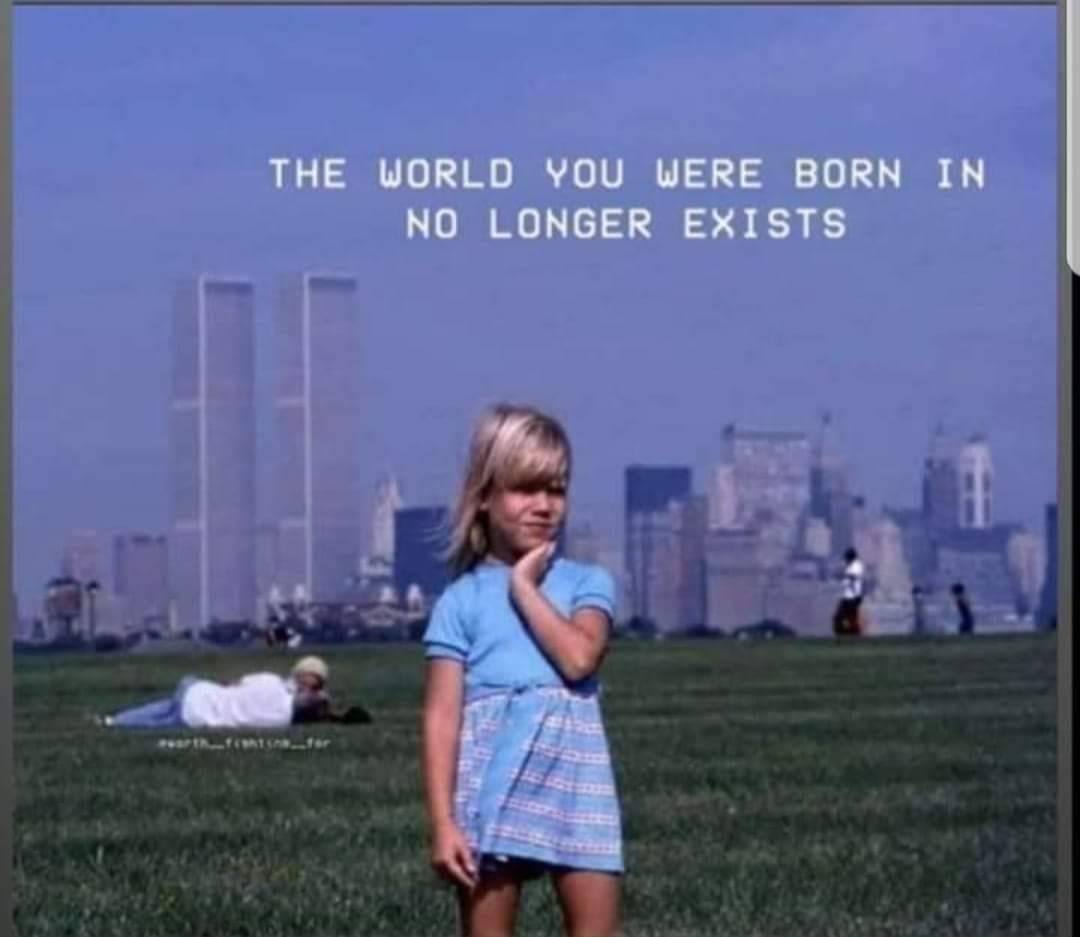
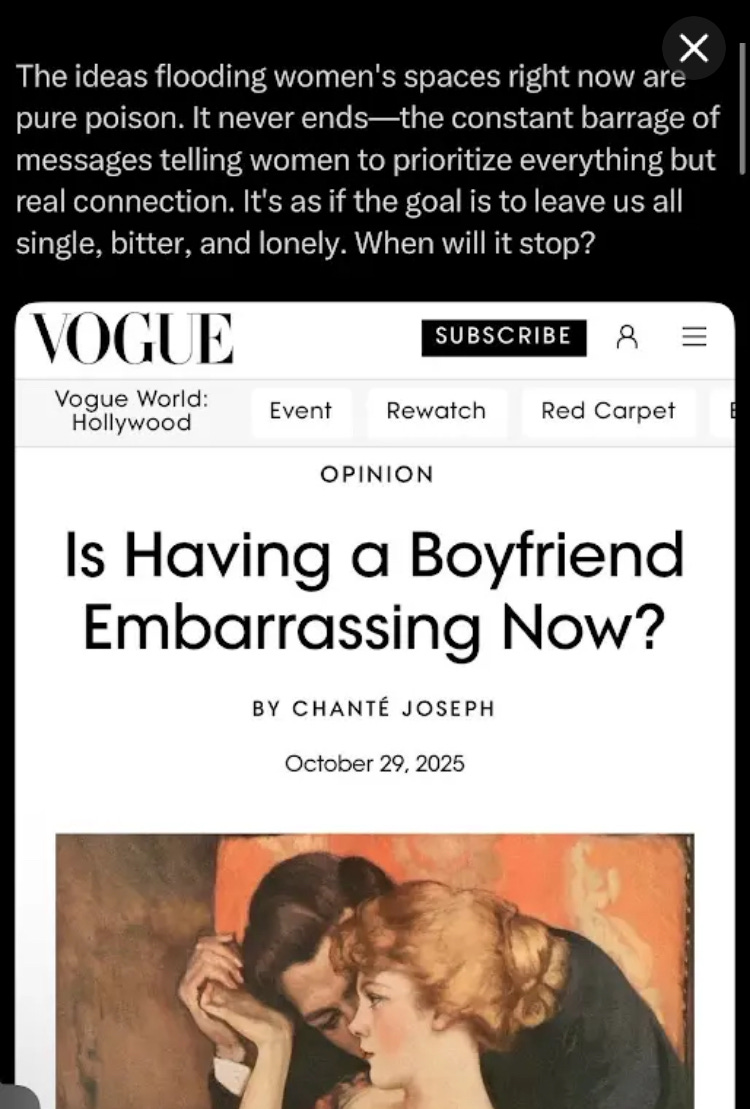
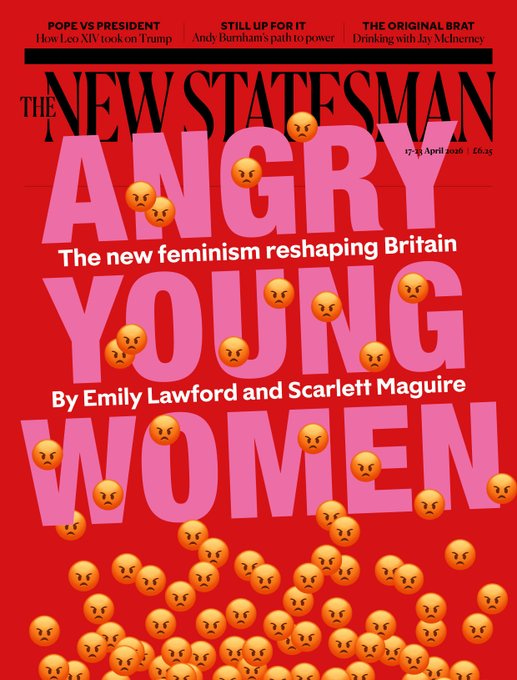
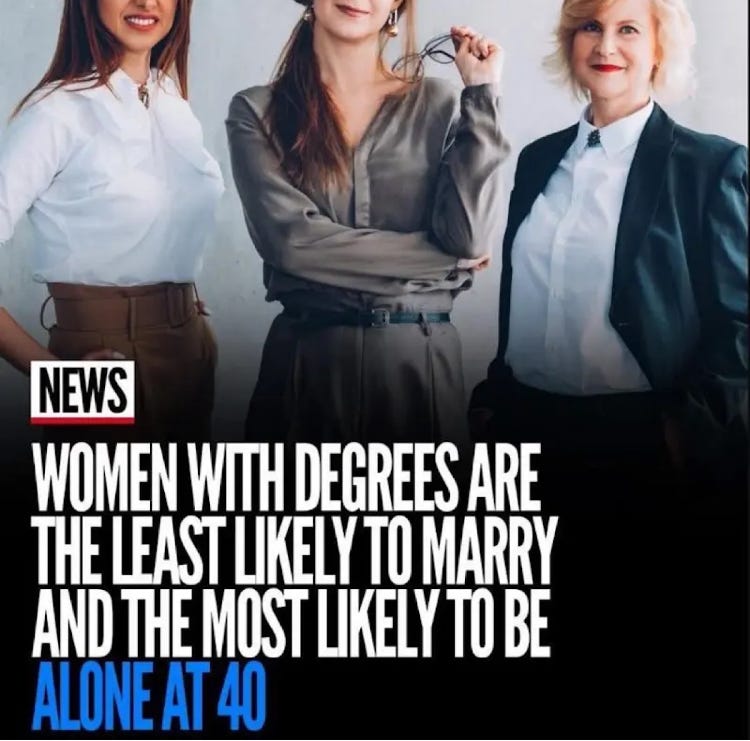
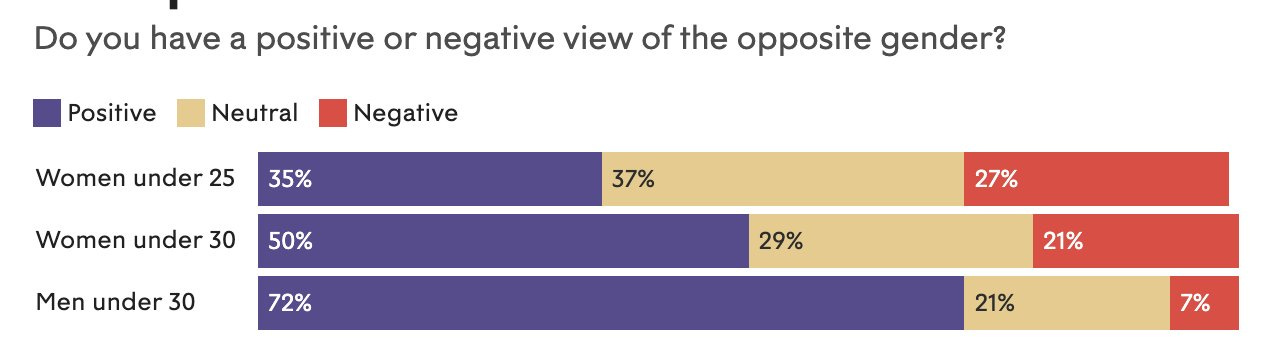
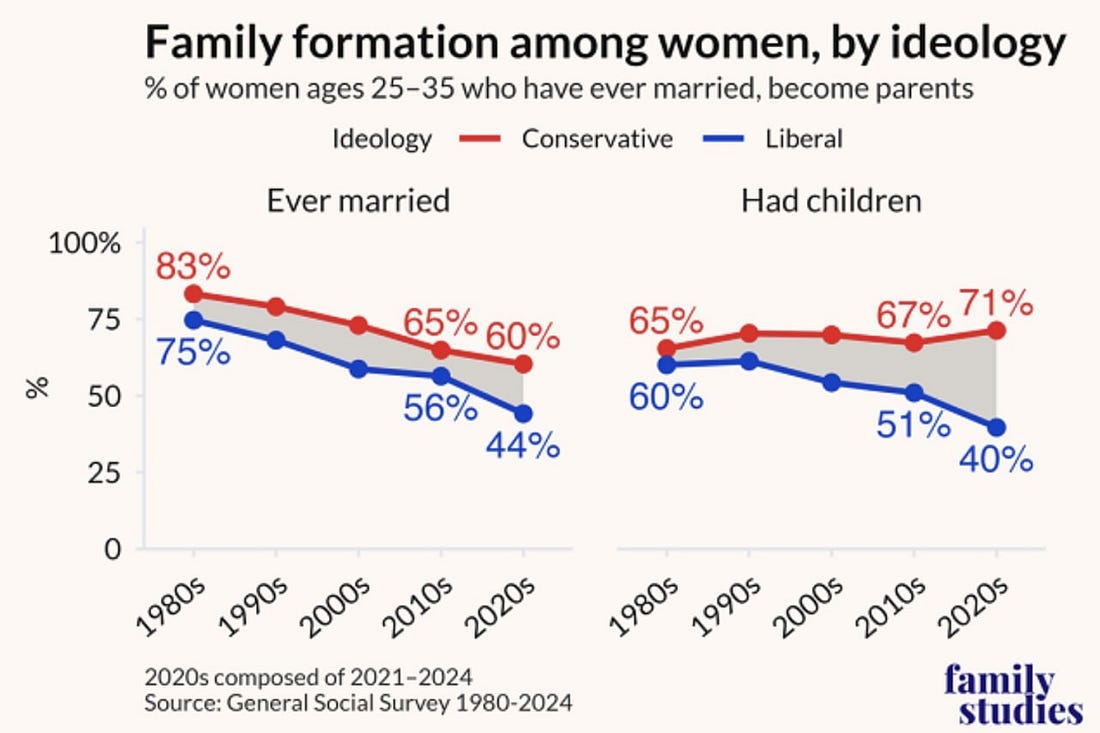
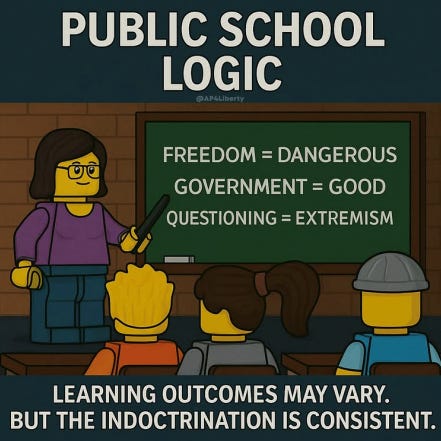
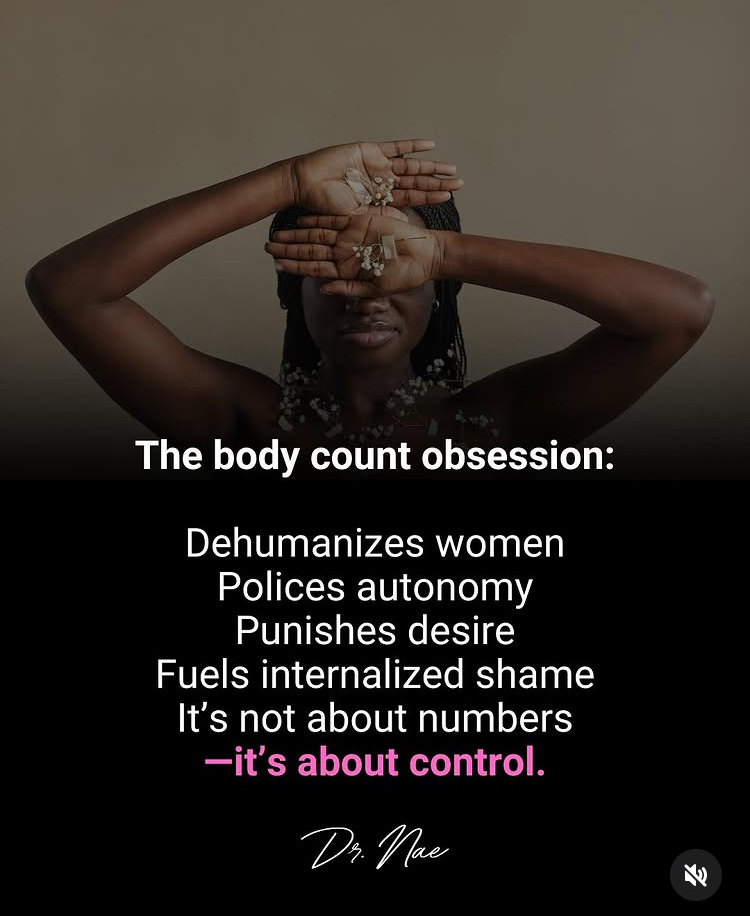
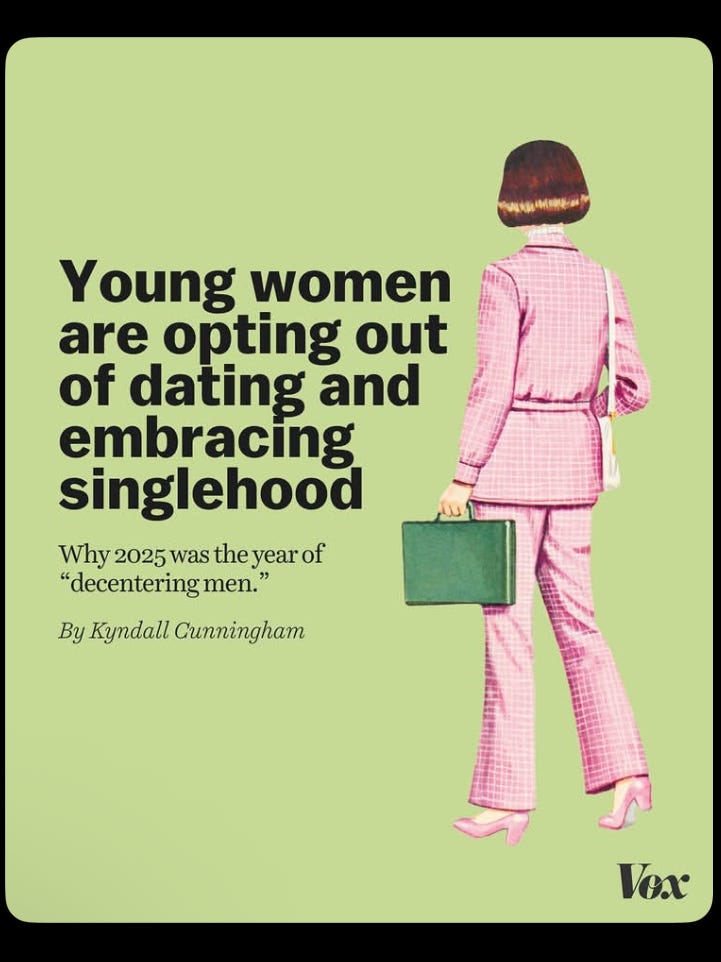
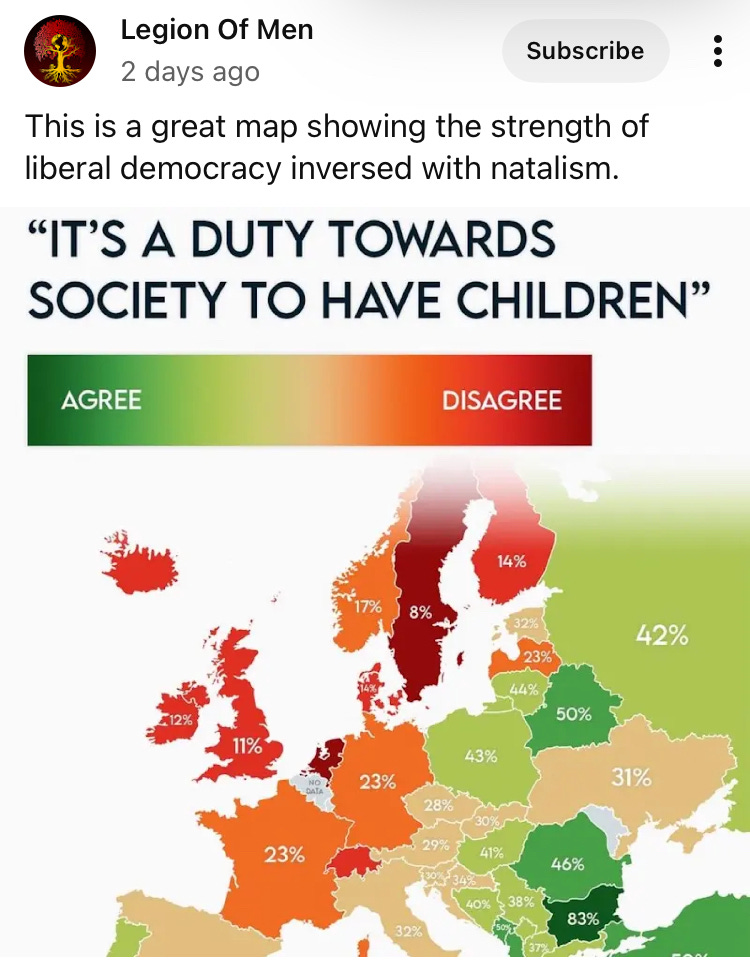

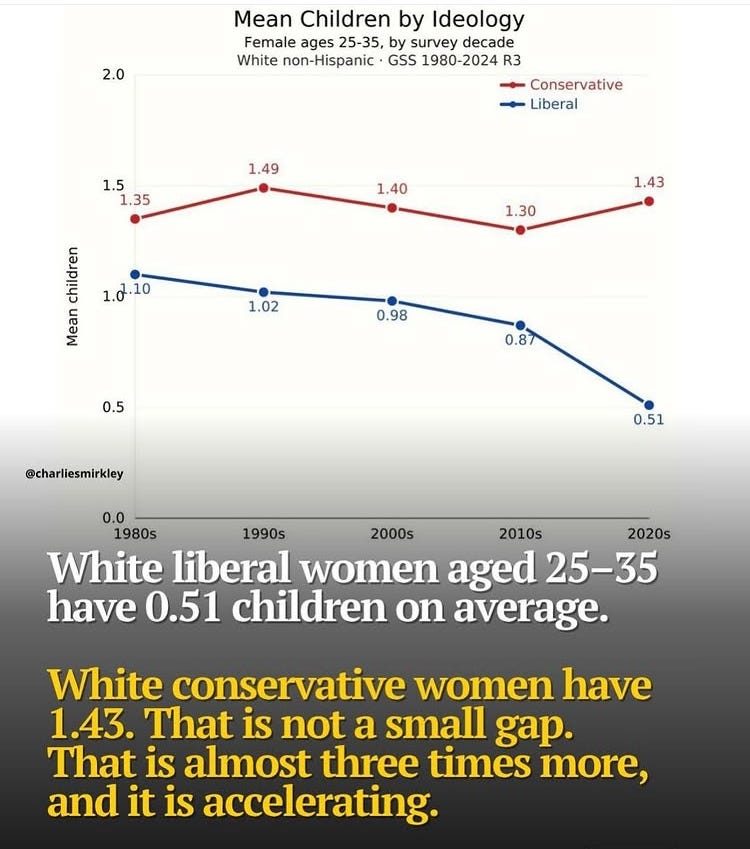
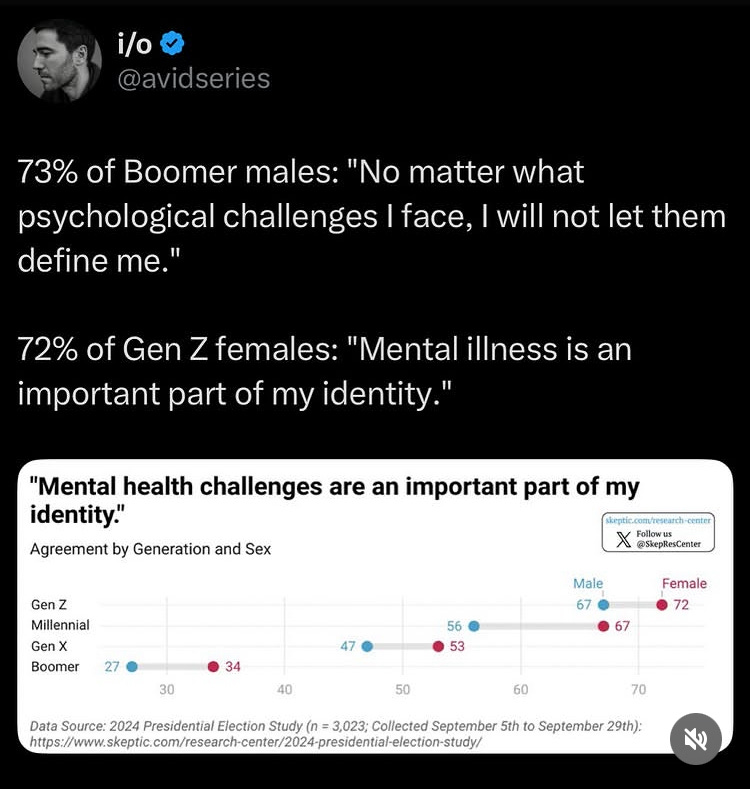
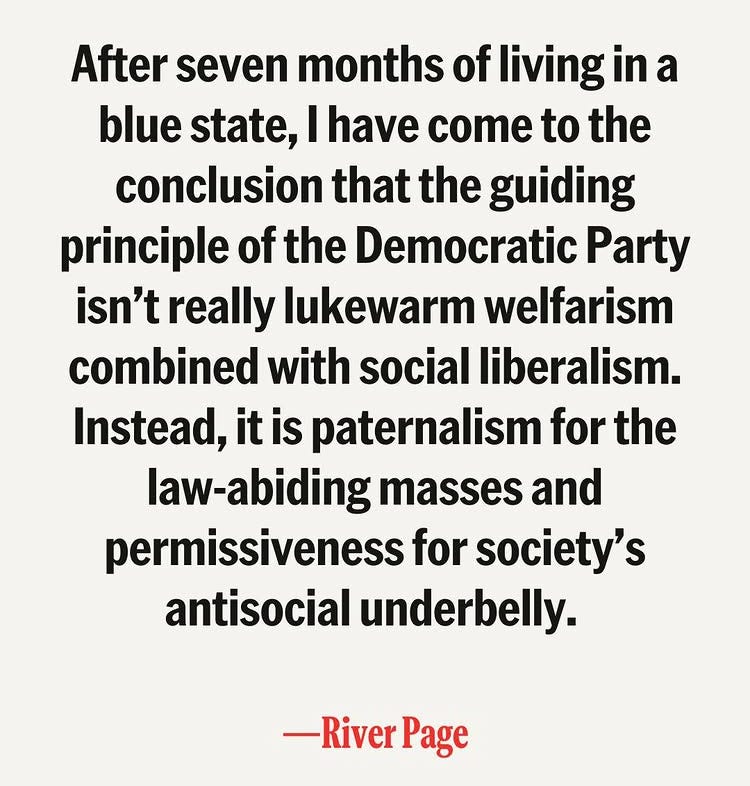
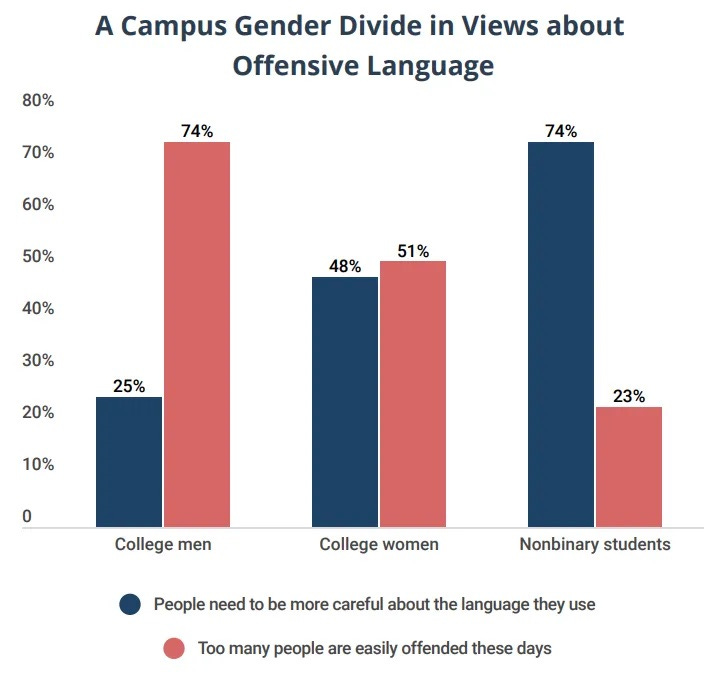
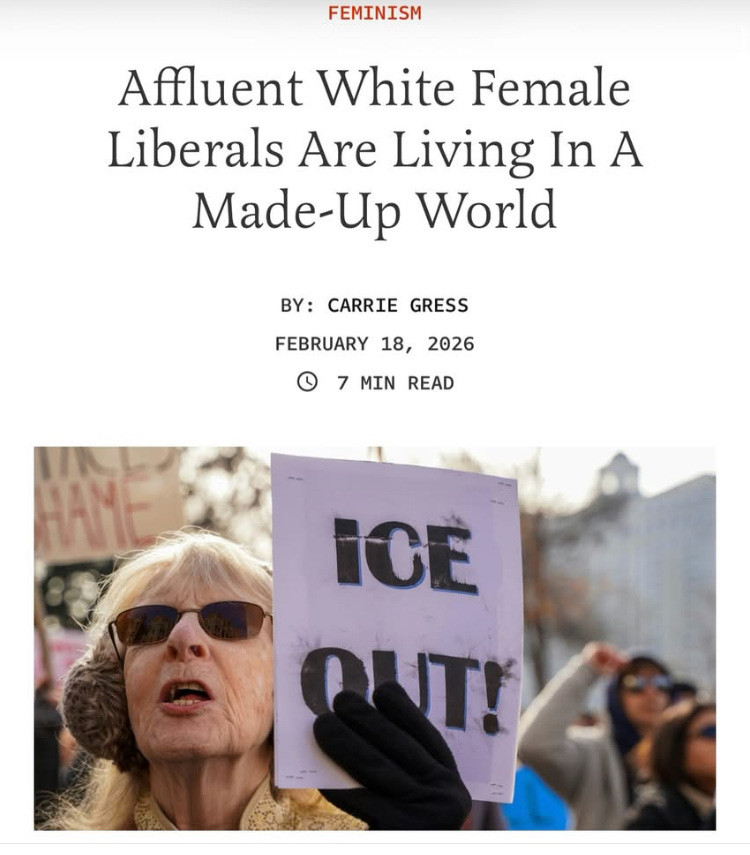

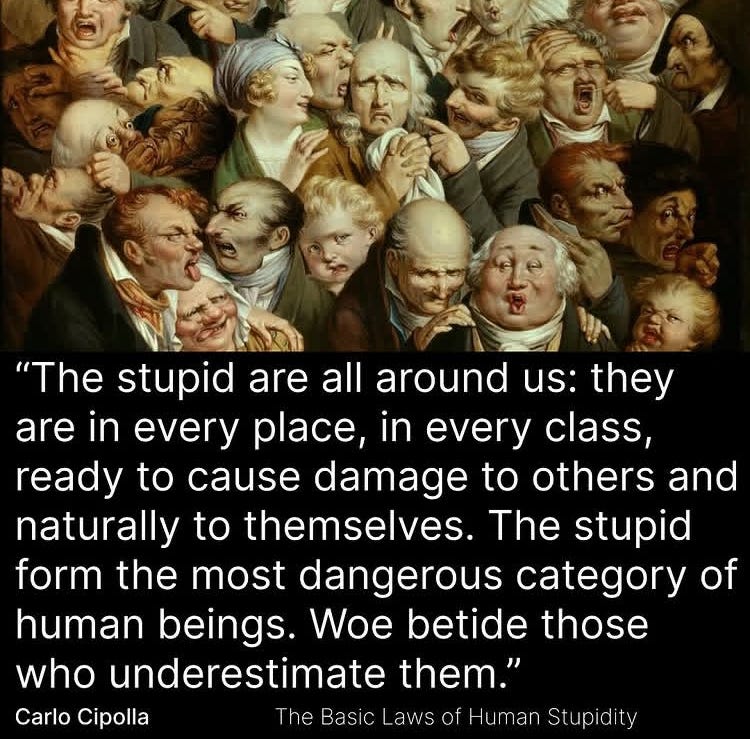


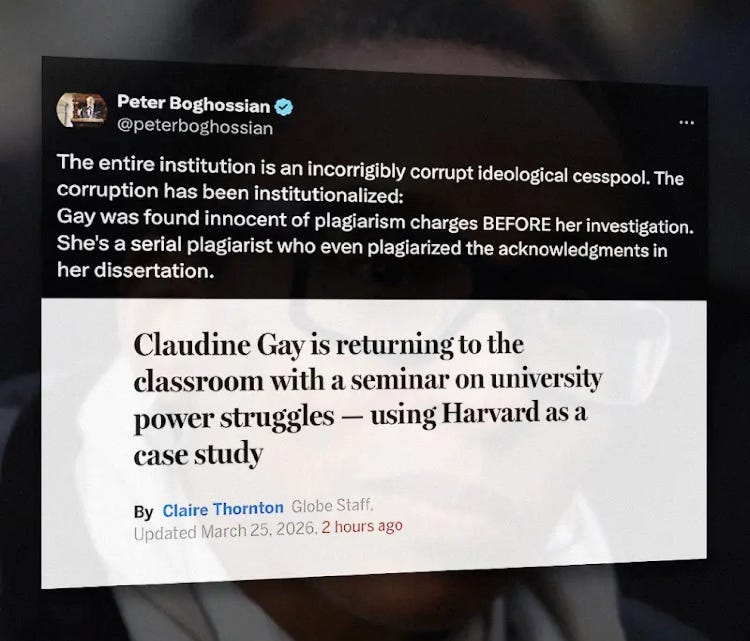
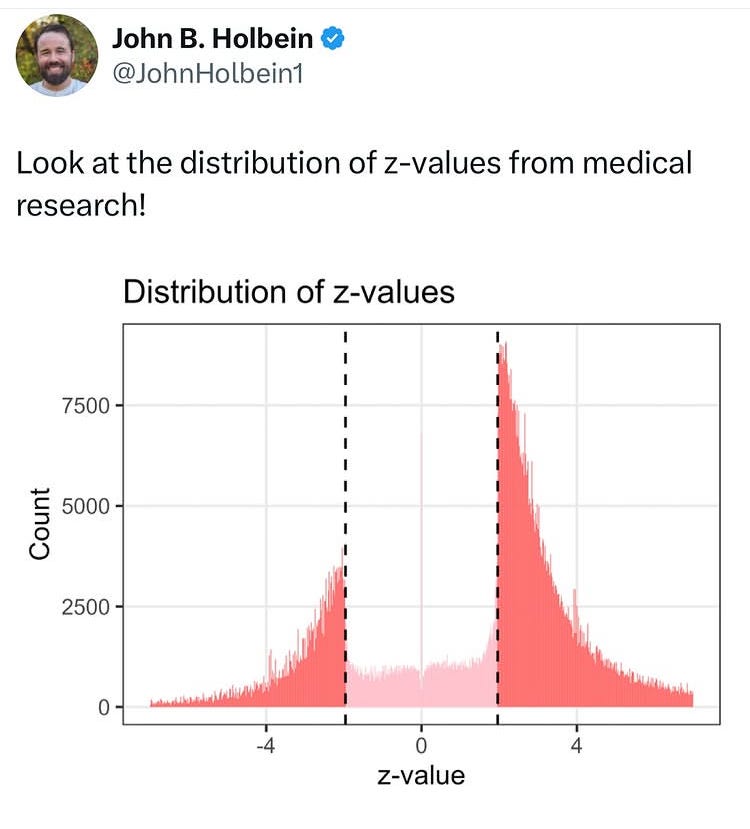
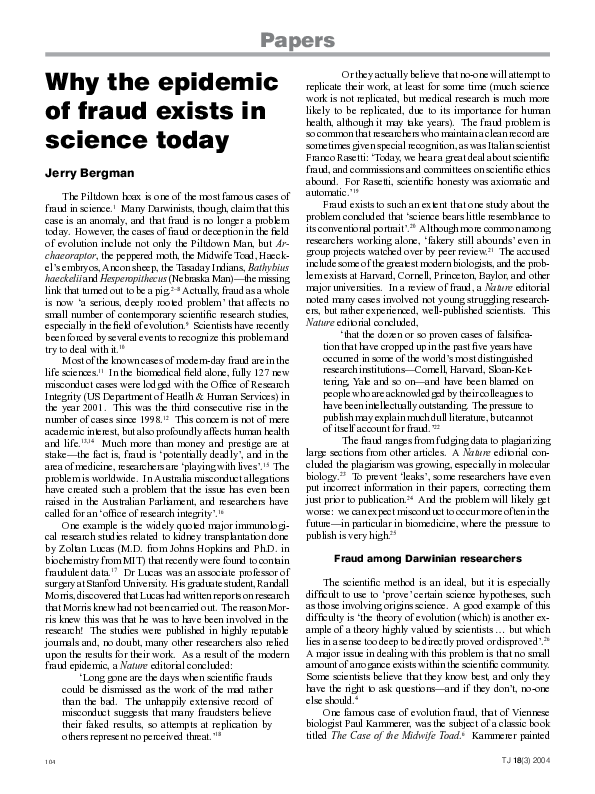
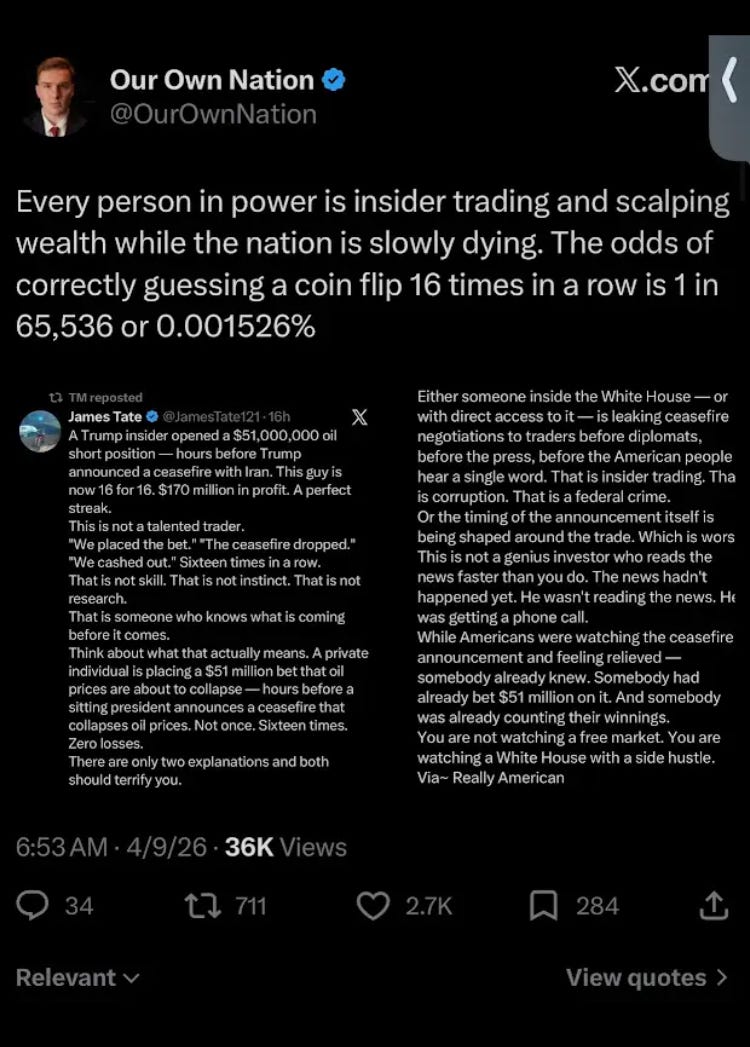

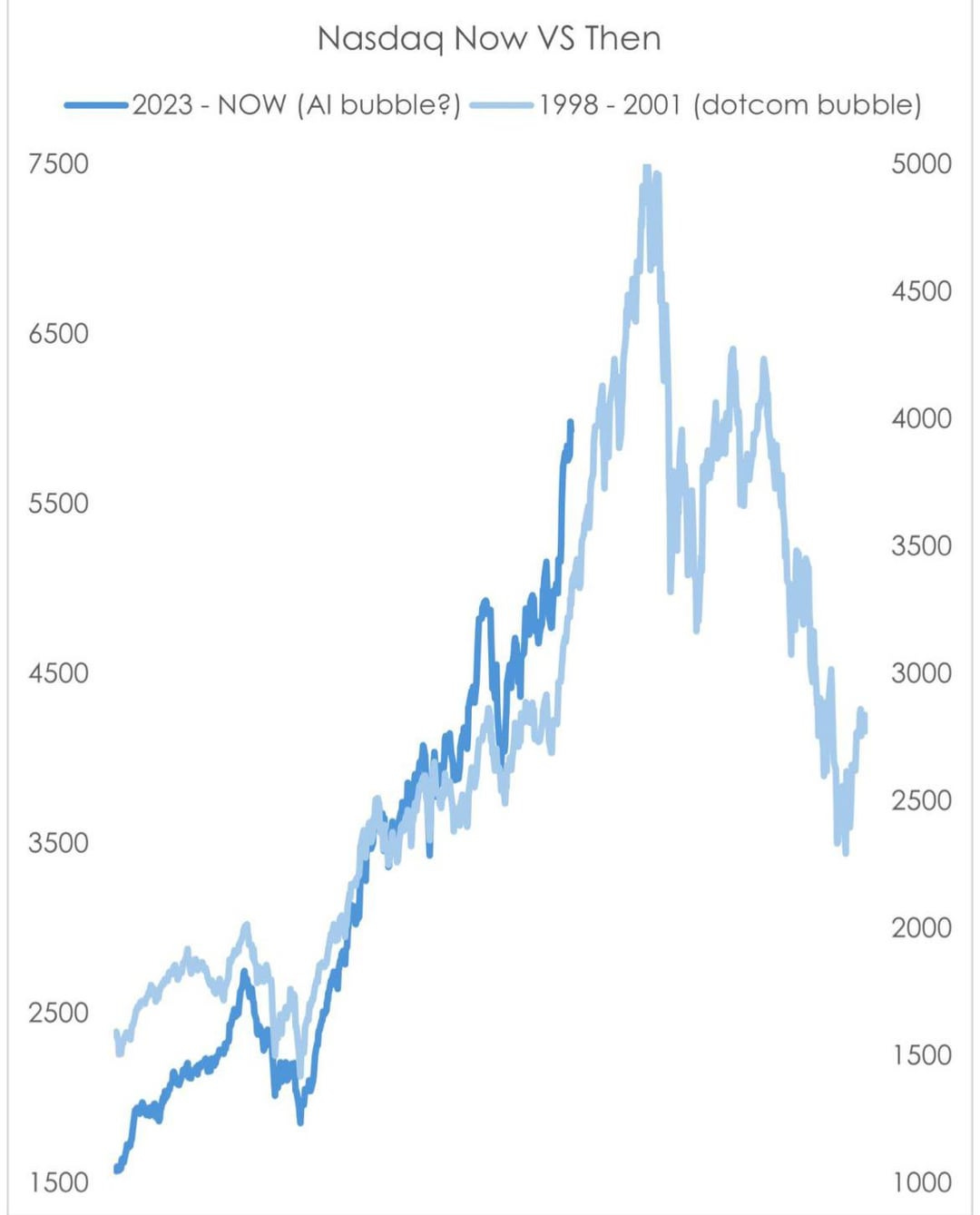

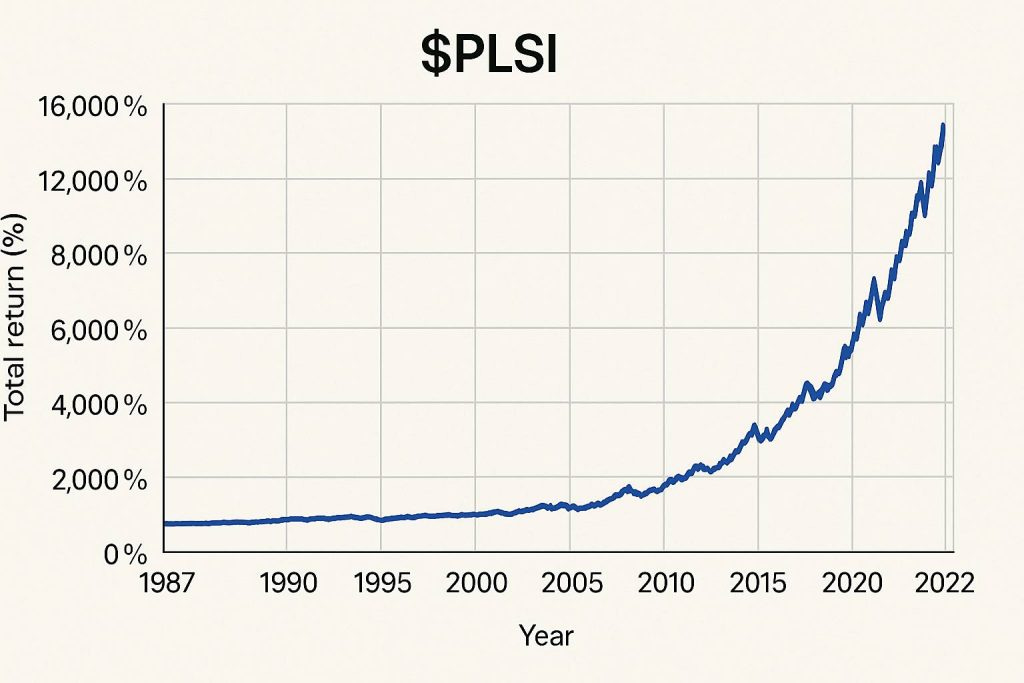

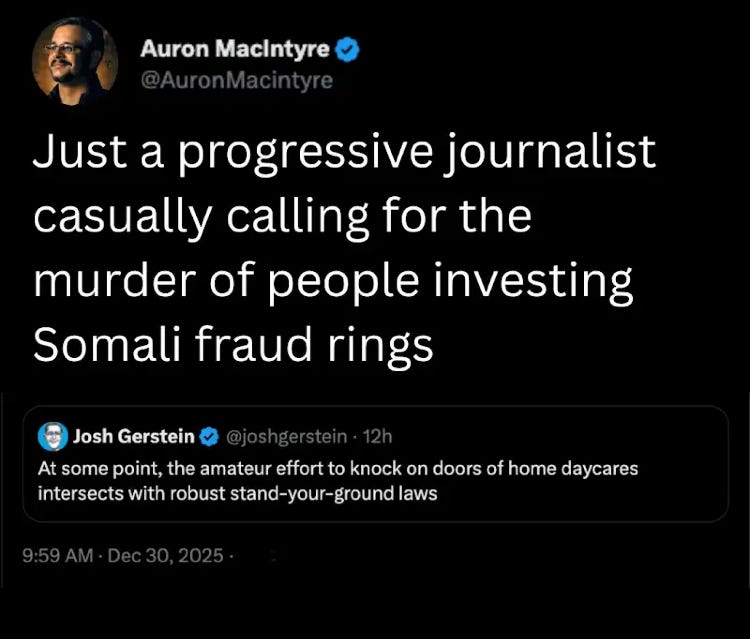

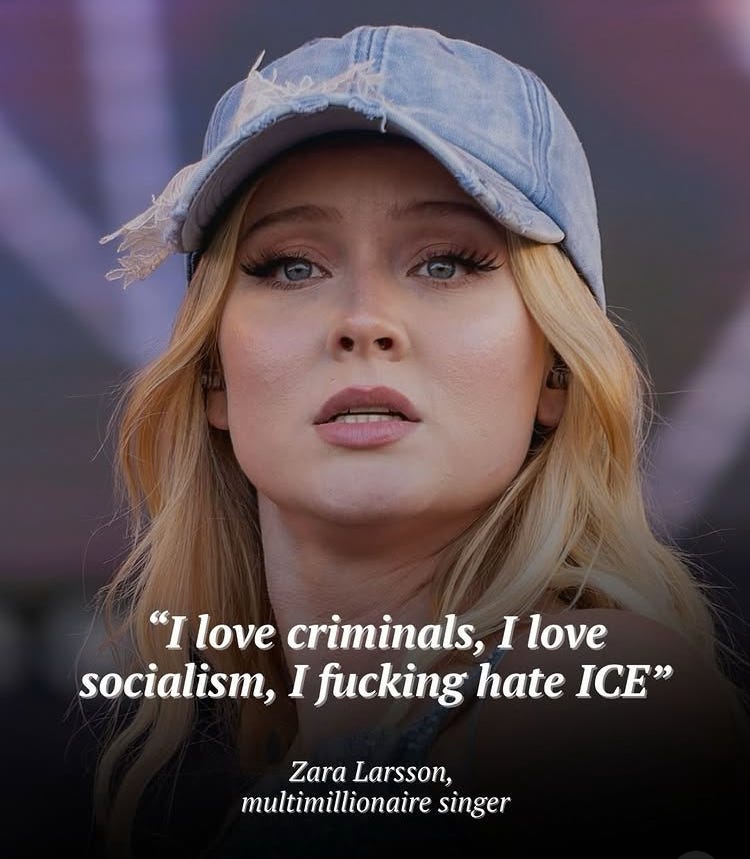
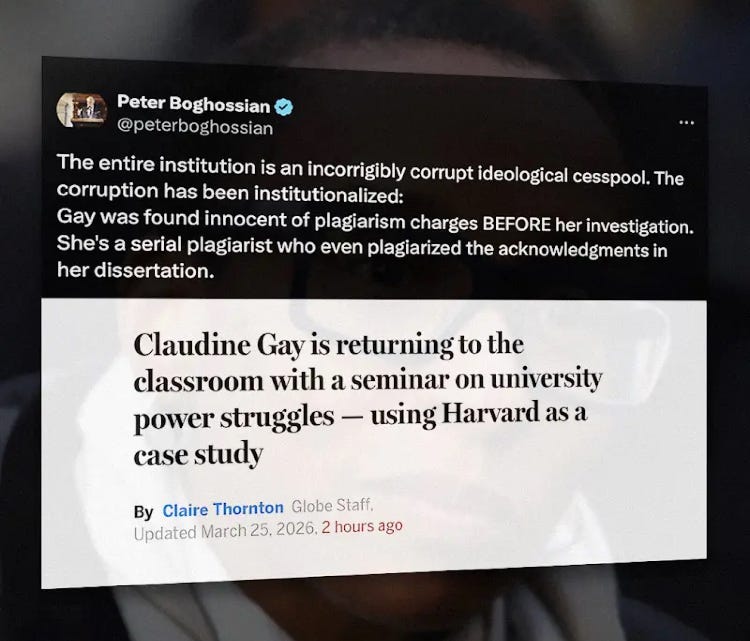

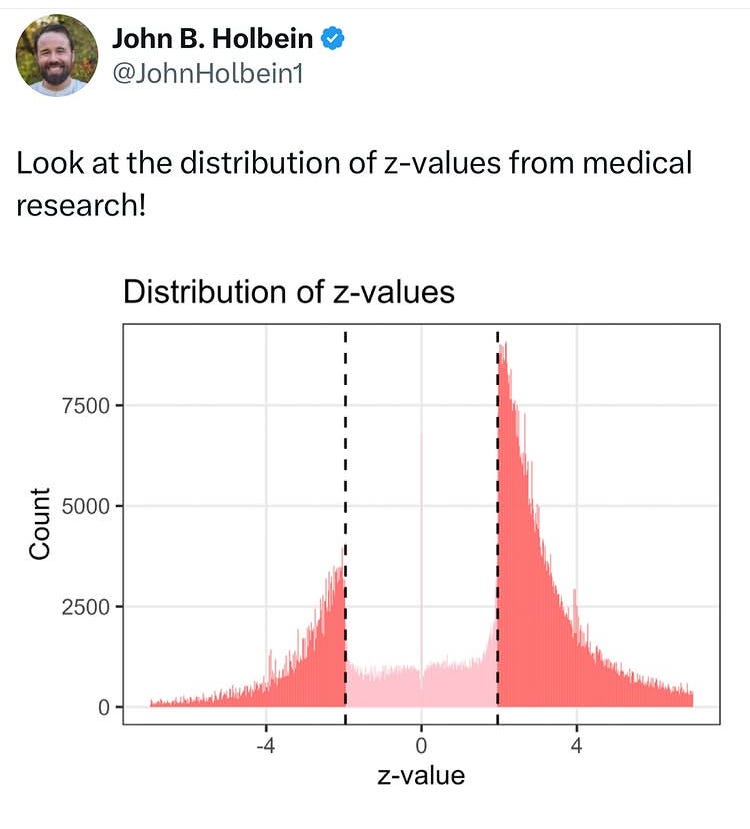

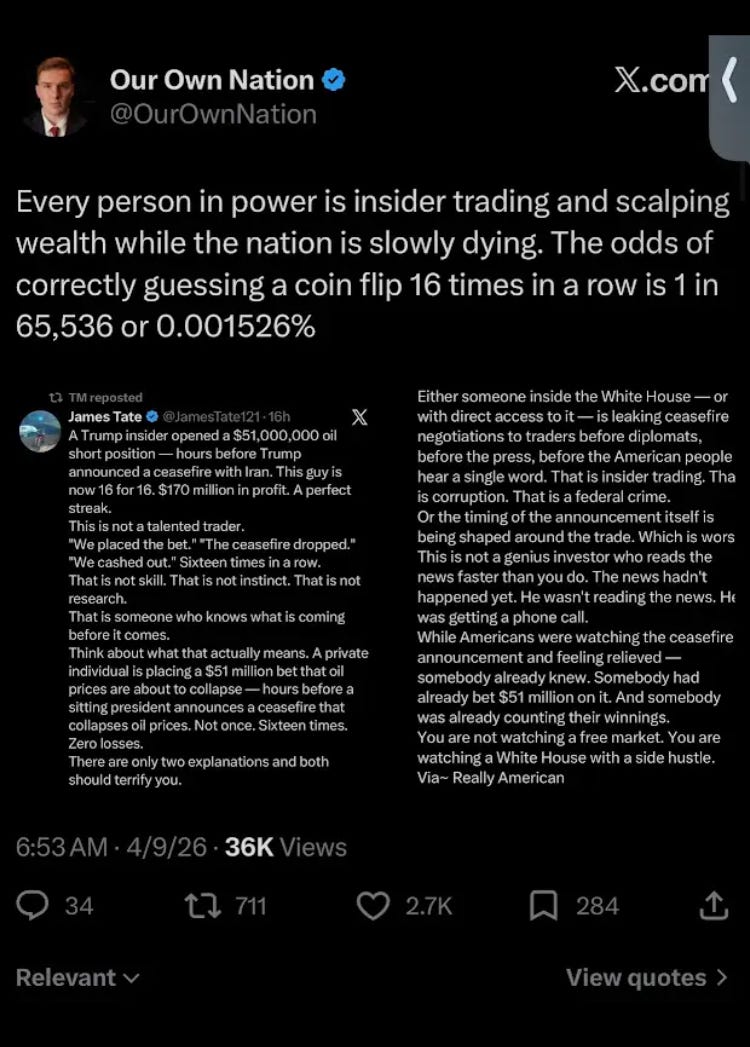

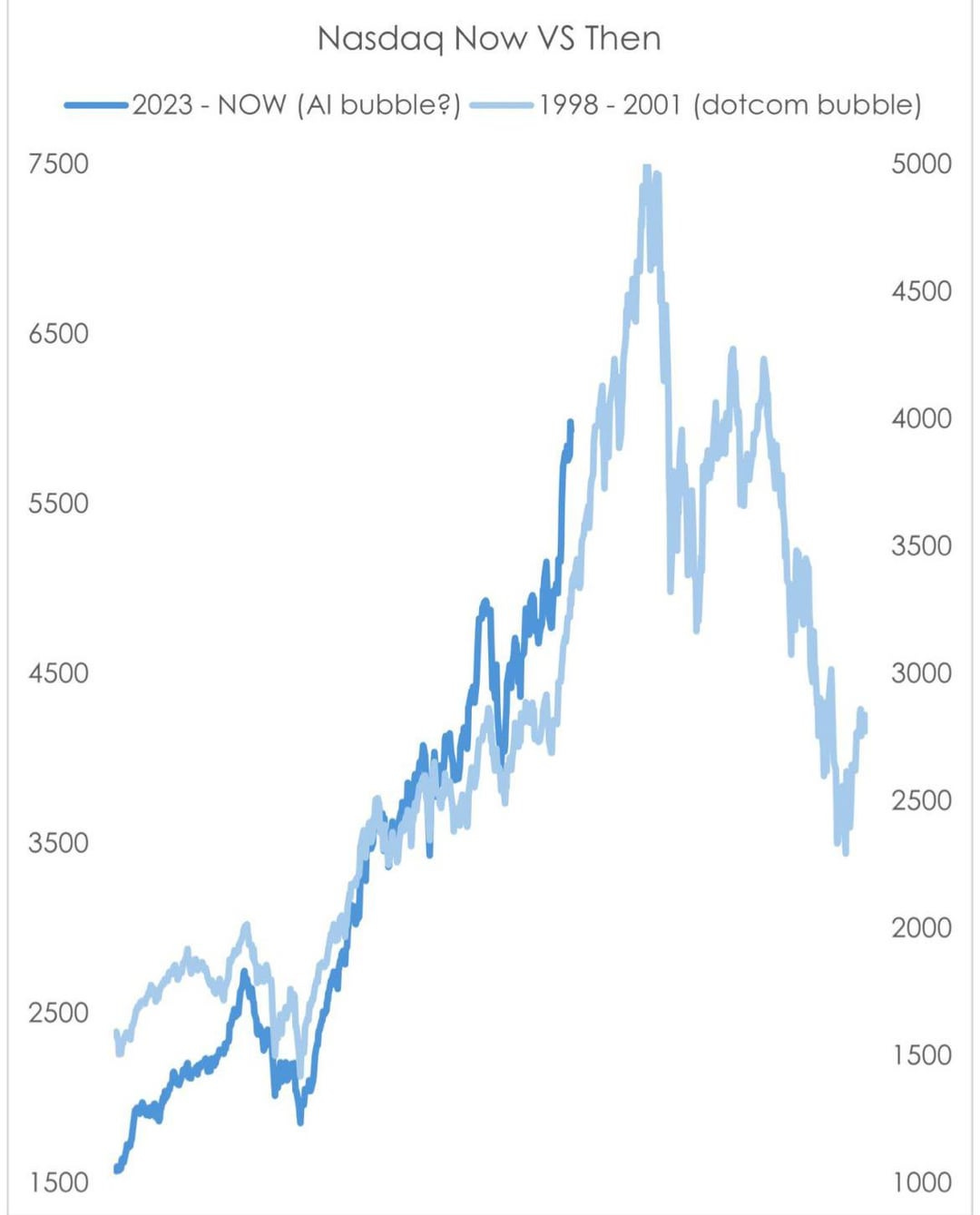

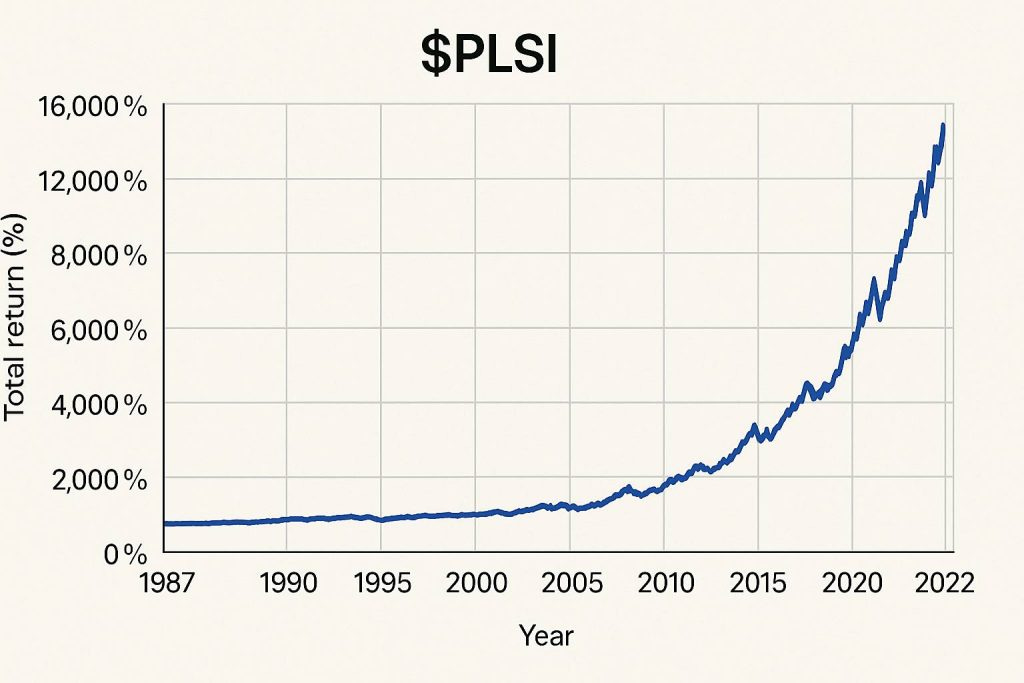

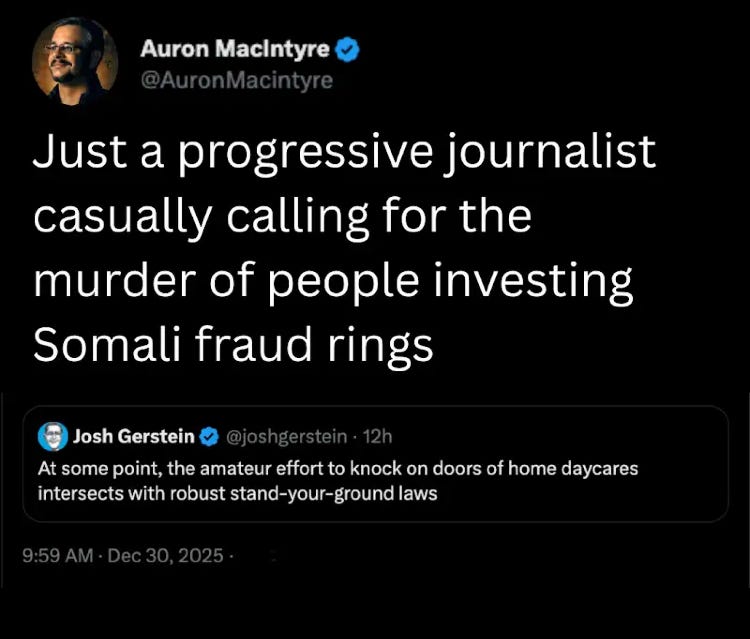


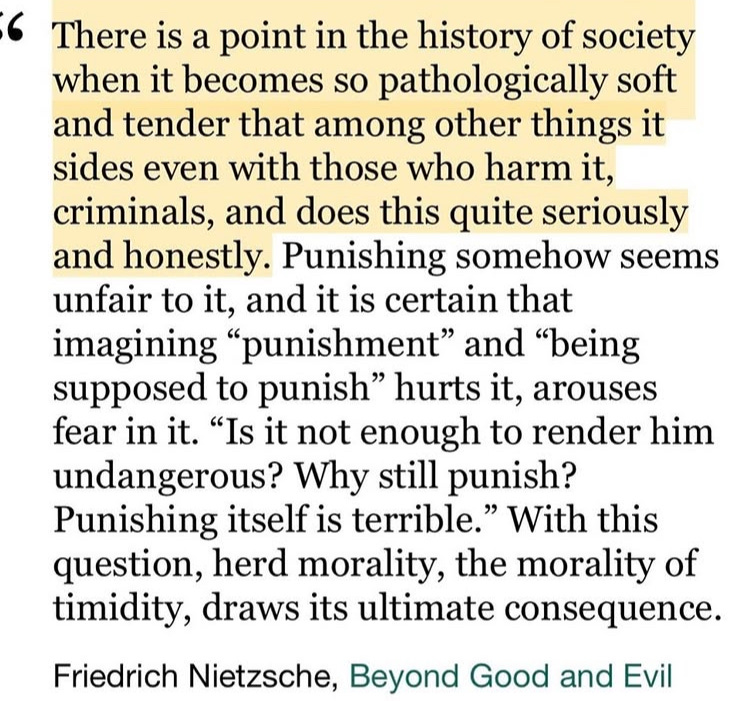
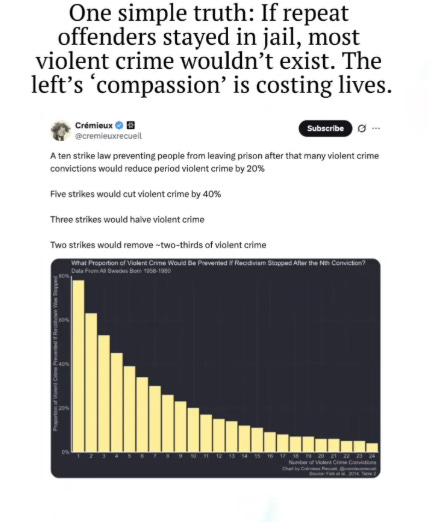
![OC] US federal government spending by category, FY 2023 : r/dataisbeautiful](https://substackcdn.com/image/fetch/$s_!wnOx!,f_auto,q_auto:good,fl_progressive:steep/https%3A%2F%2Fsubstack-post-media.s3.amazonaws.com%2Fpublic%2Fimages%2F19cad941-4236-414a-b0ad-09cb87dcfbca_1900x1200.png "OC] US federal government spending by category, FY 2023 : r/dataisbeautiful")
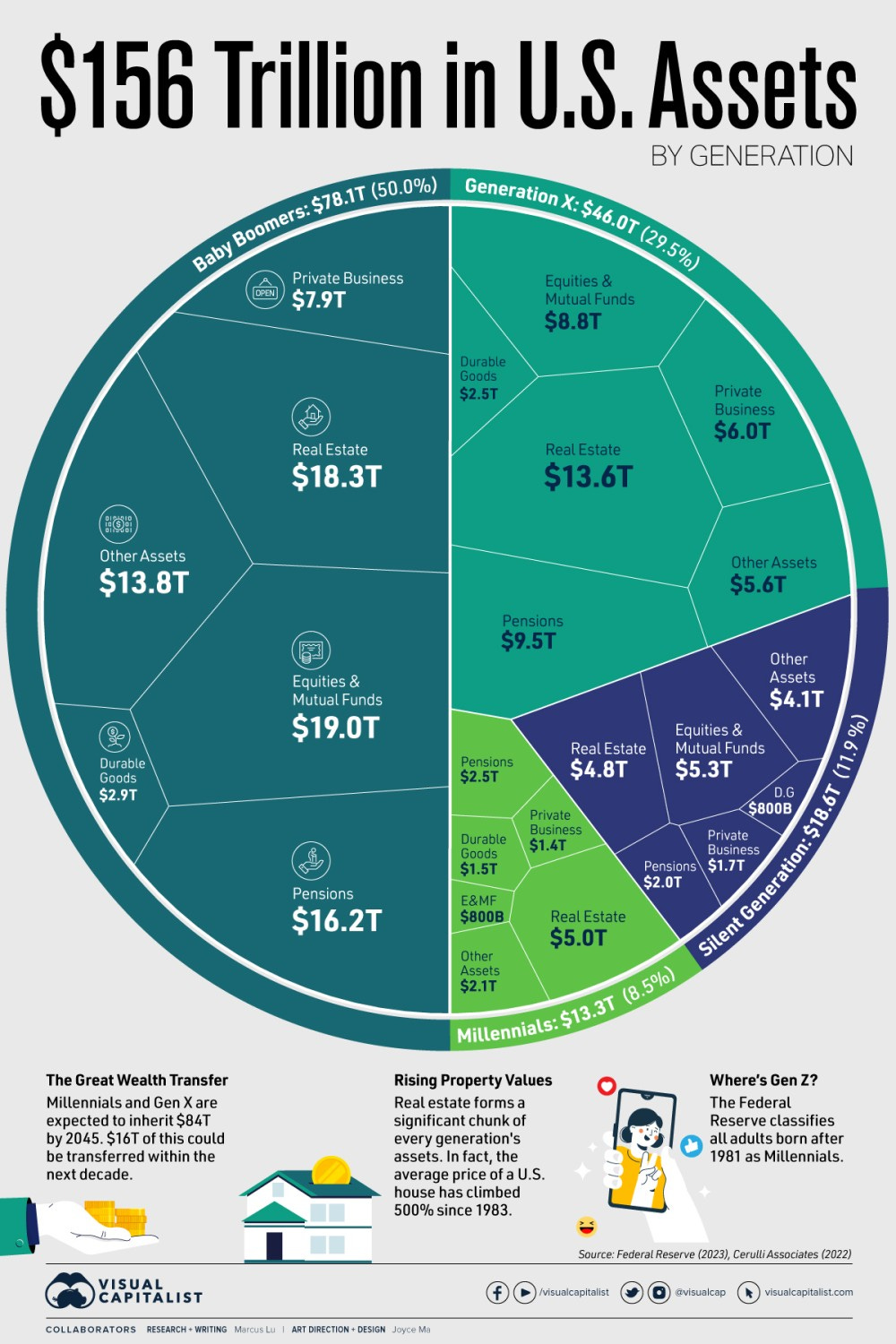

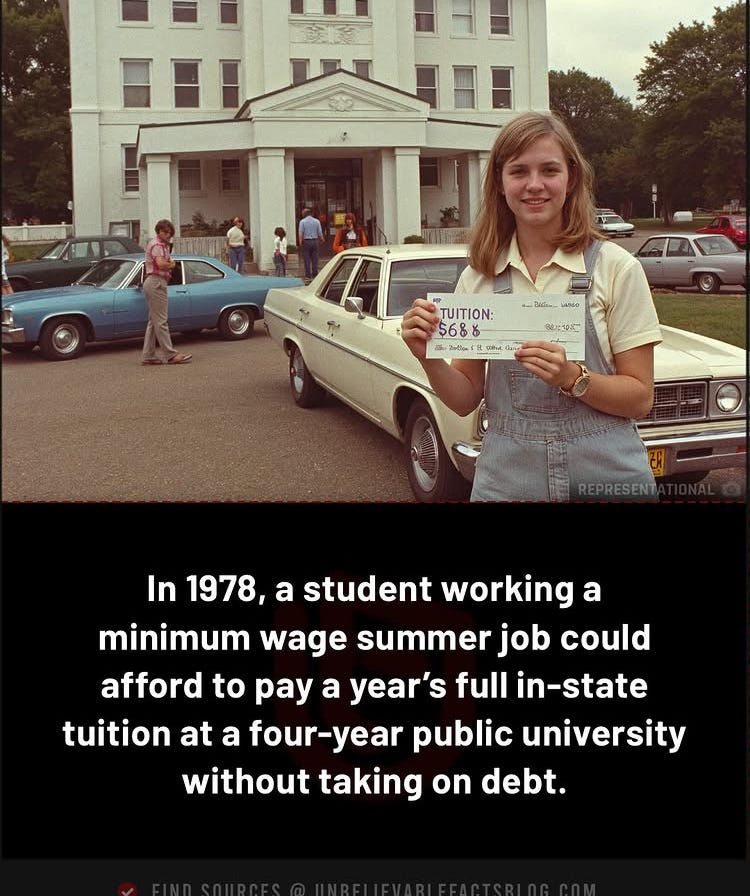
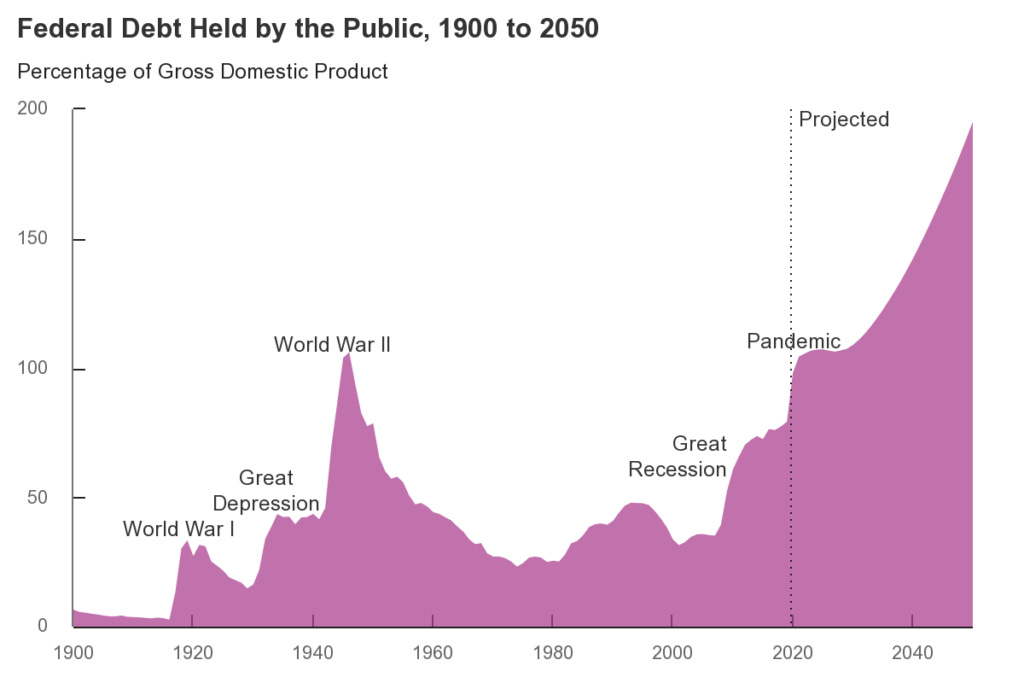
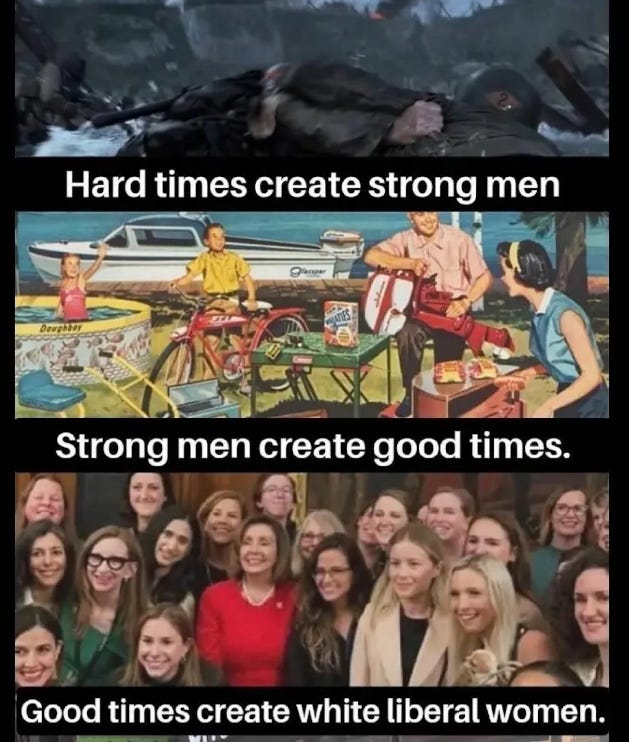

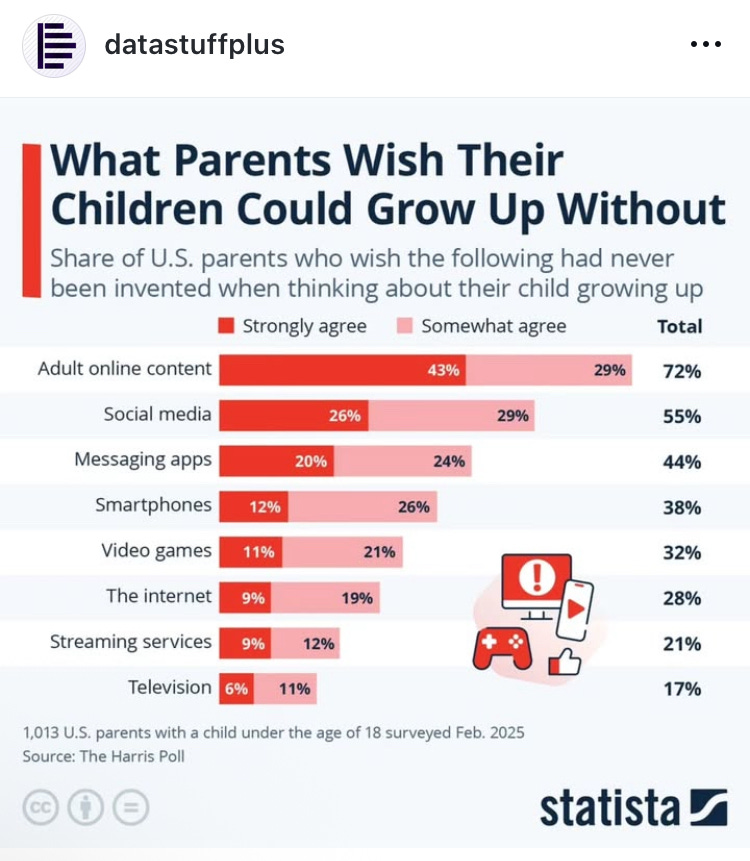

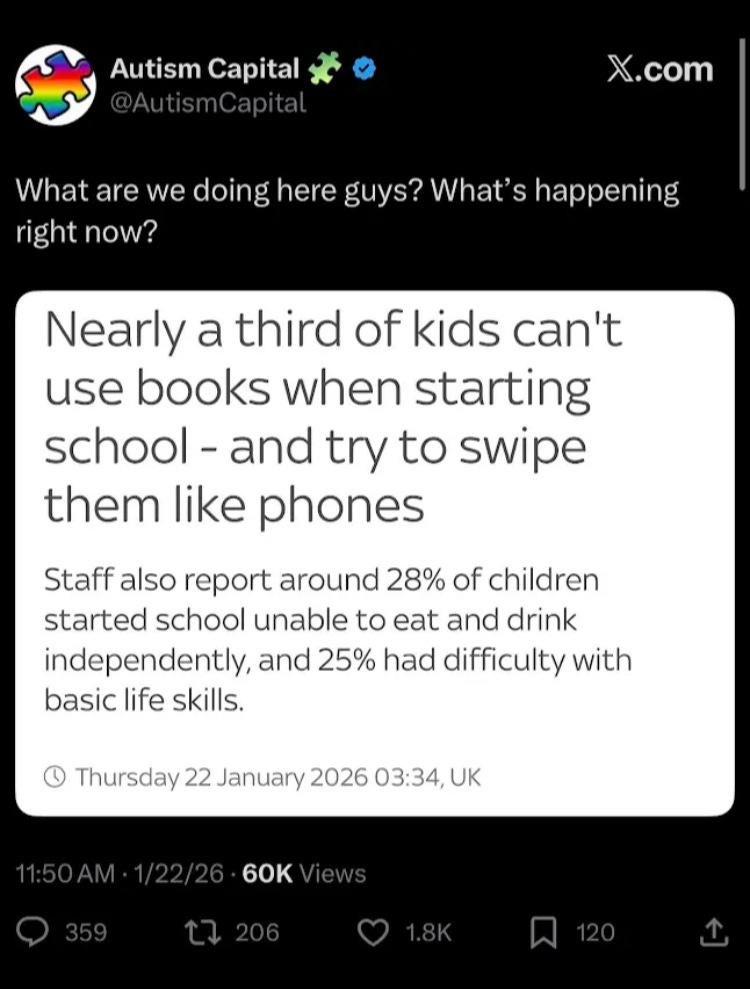
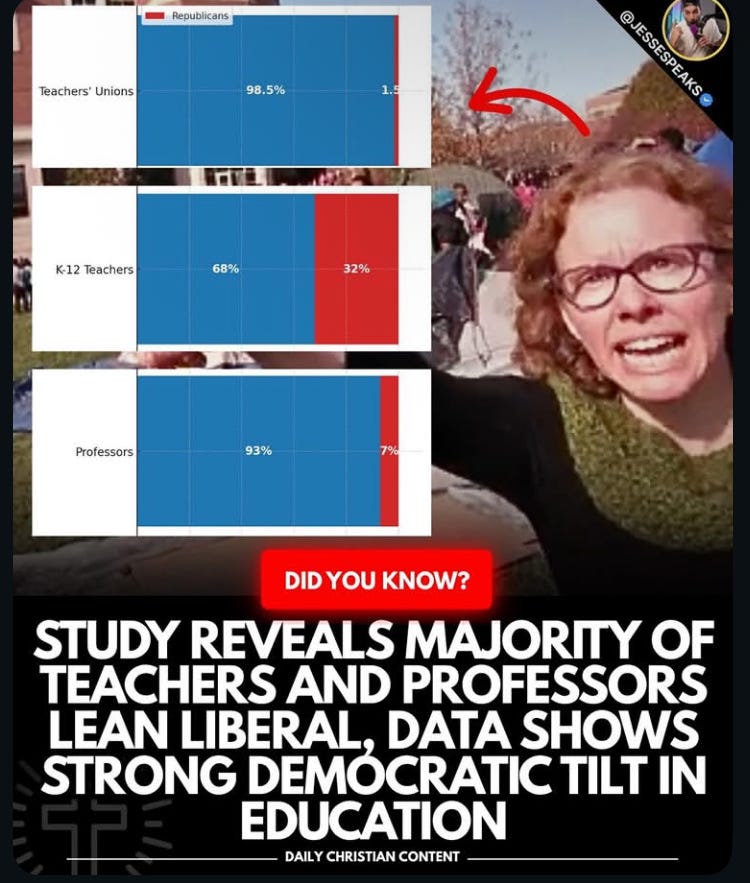


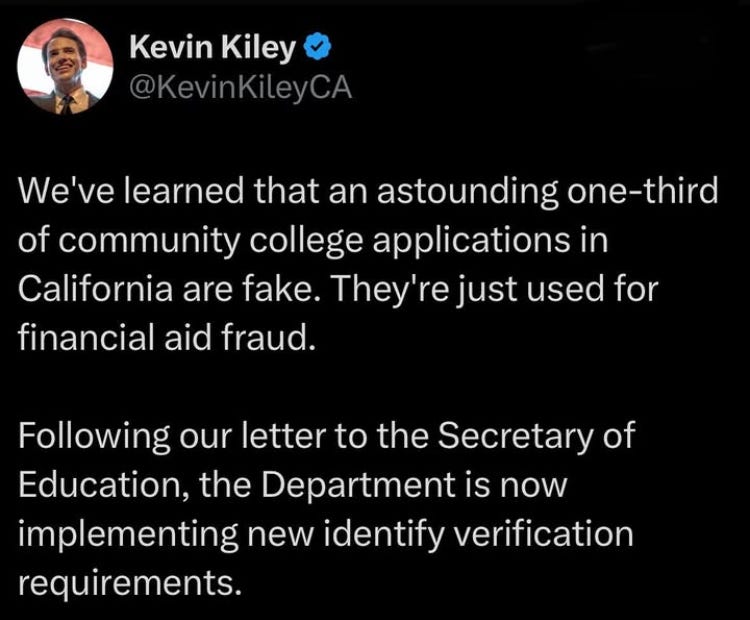



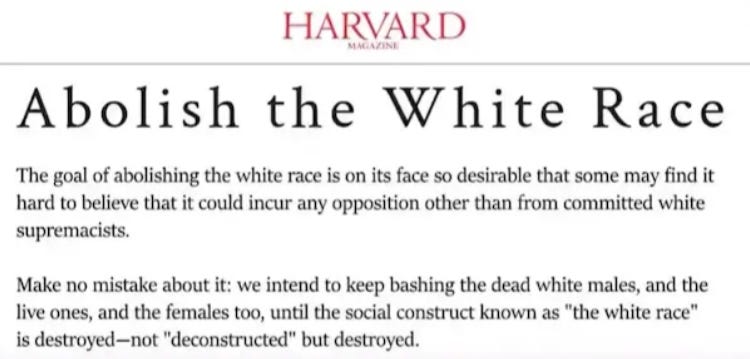
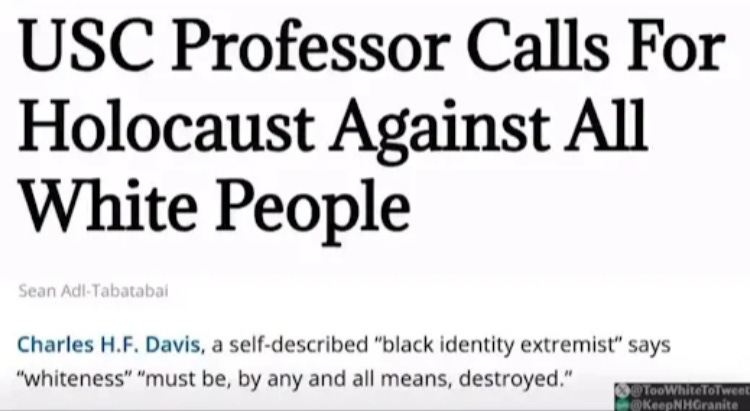


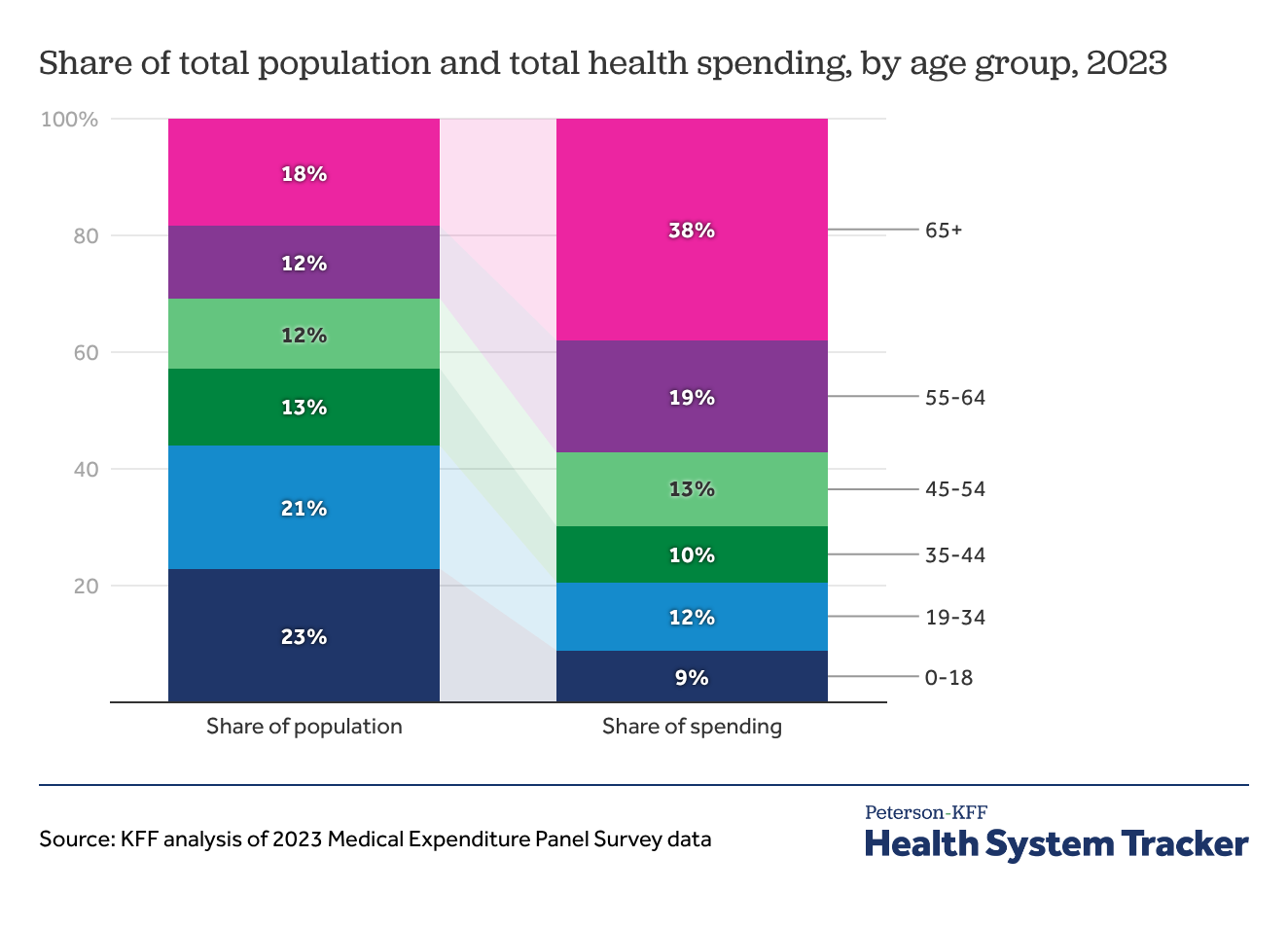




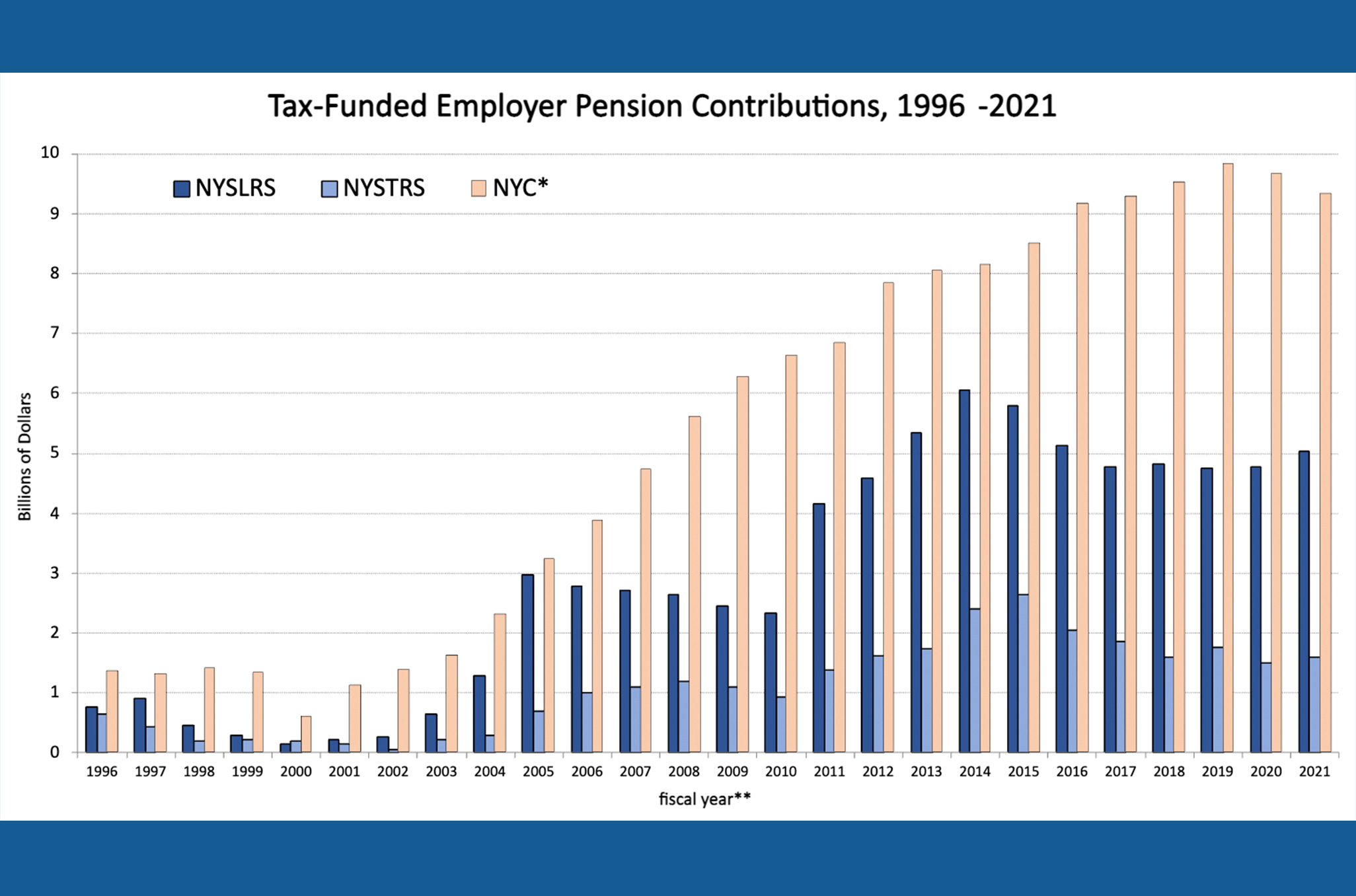
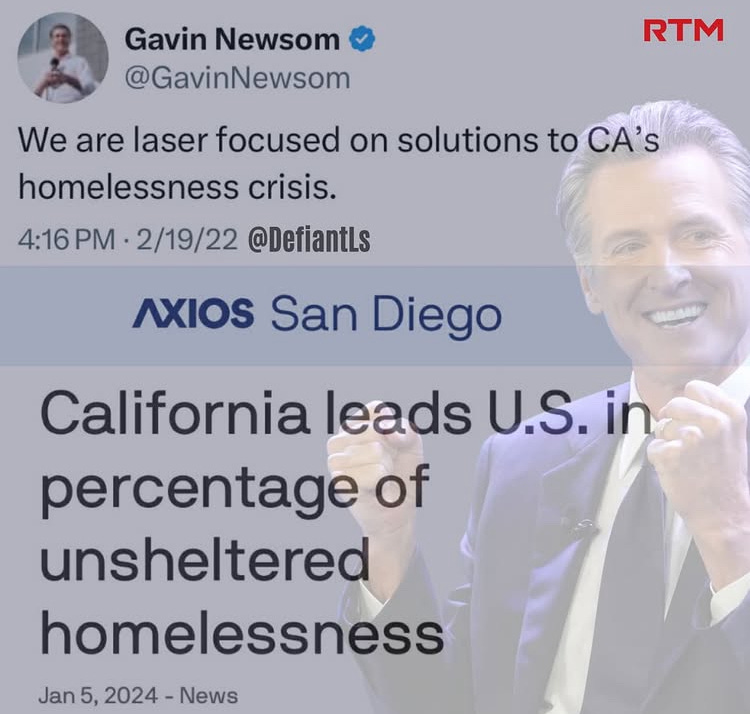

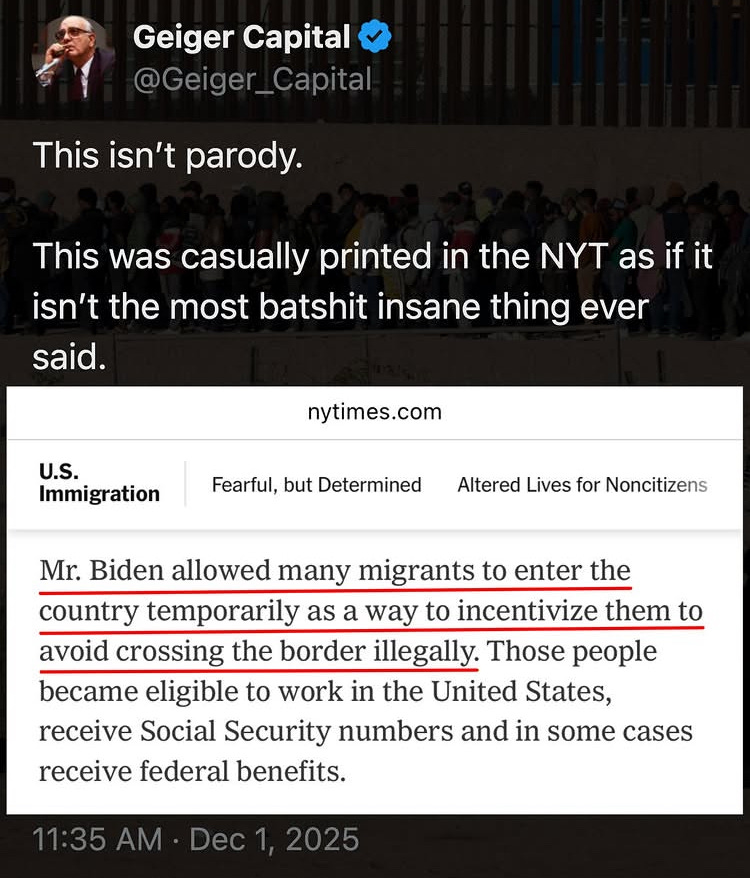
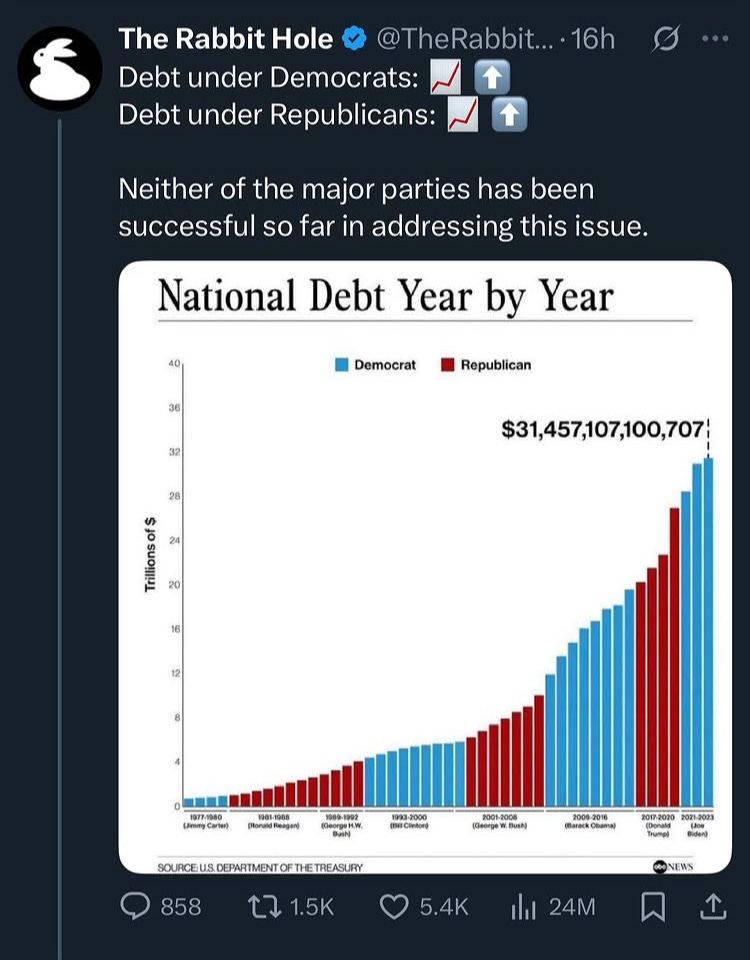




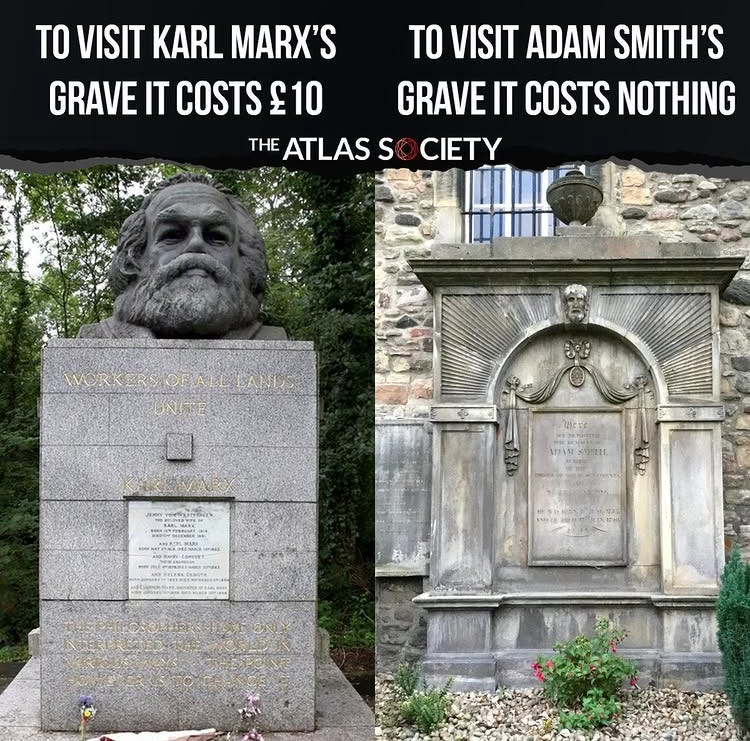

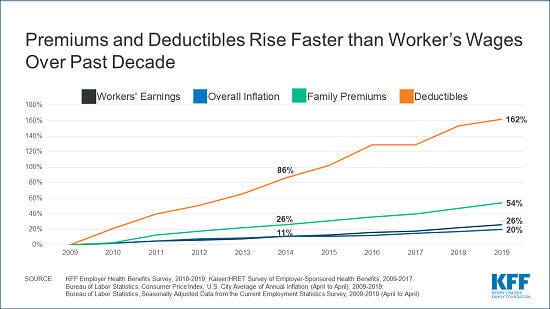

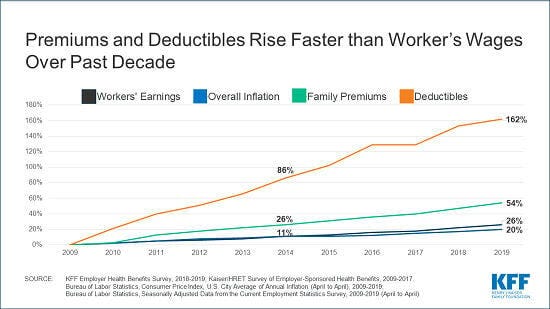



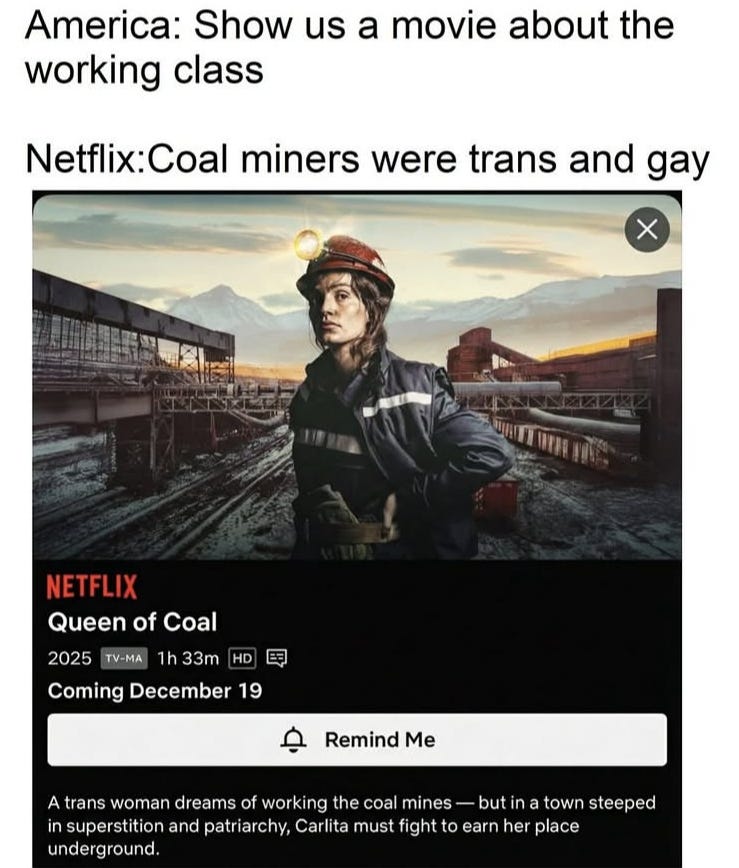

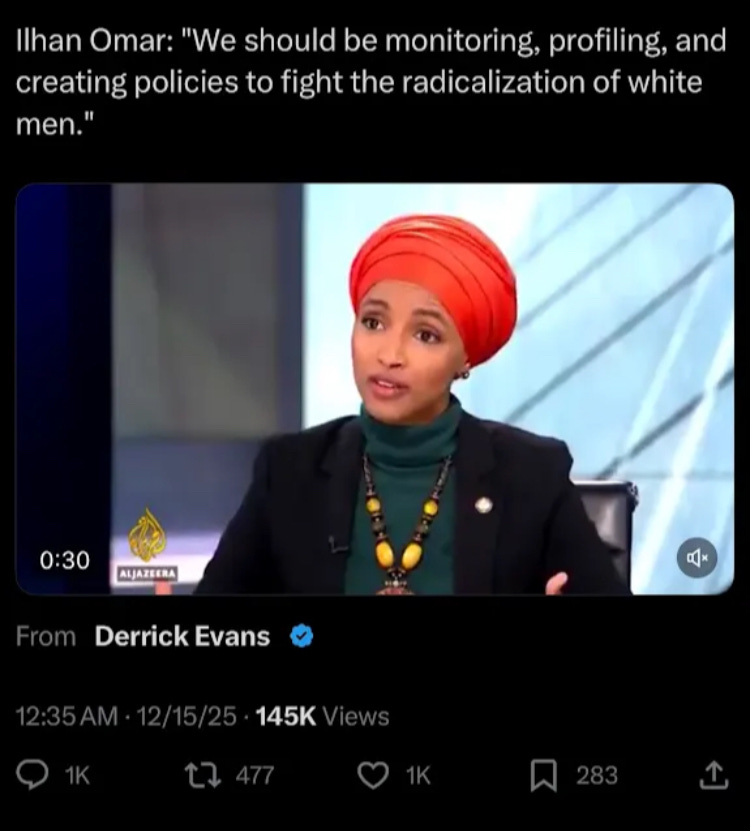
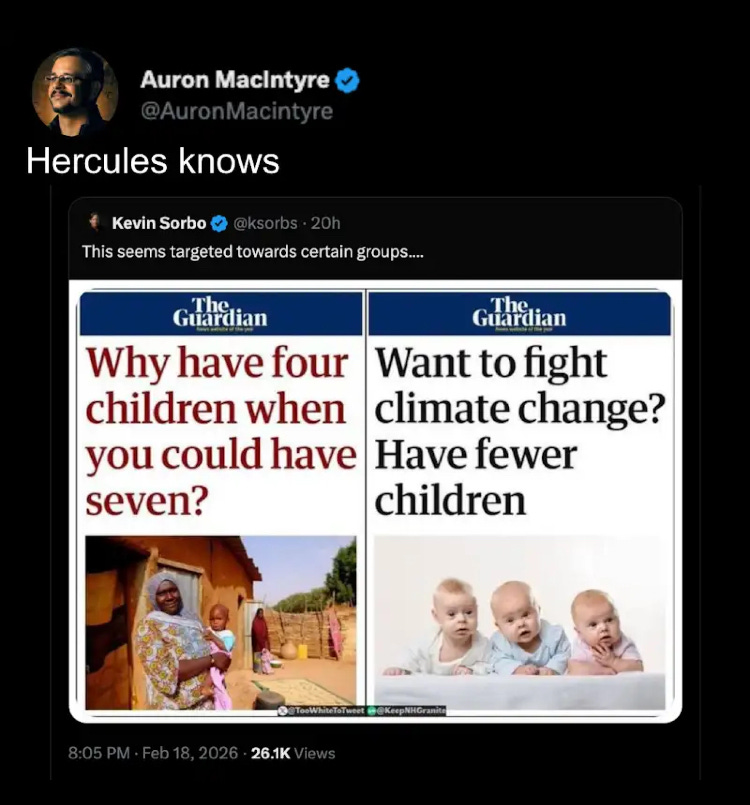

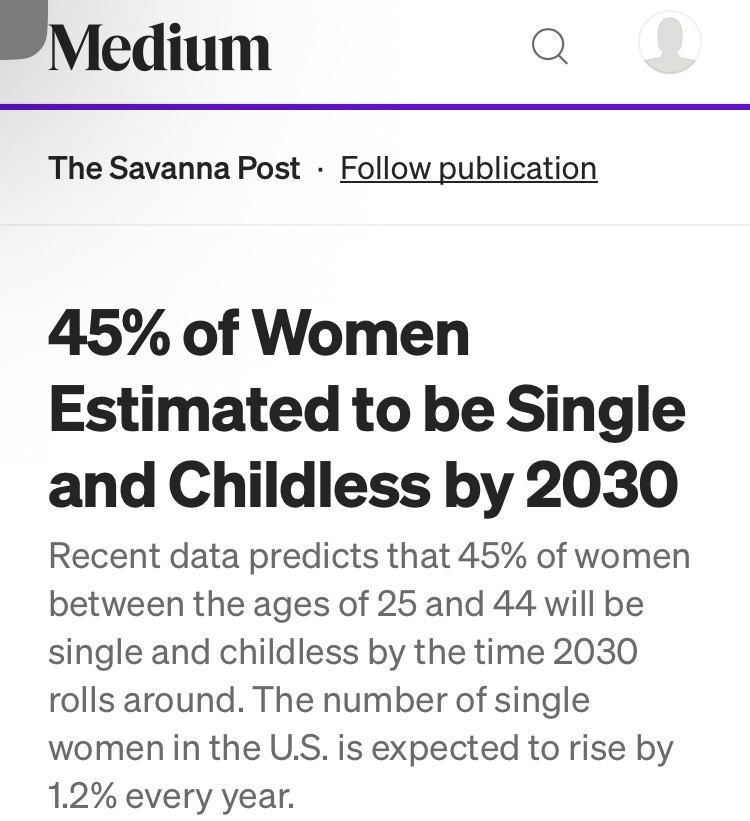






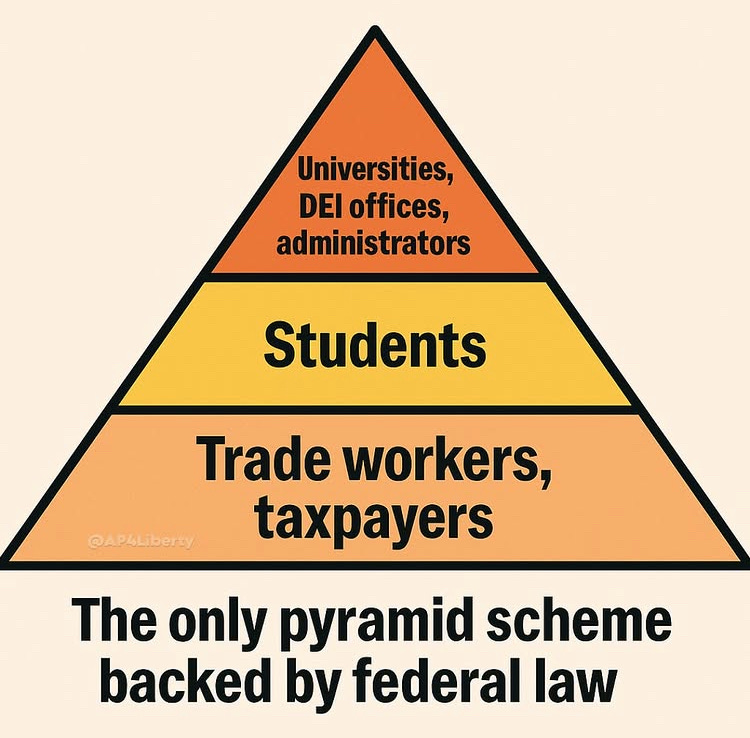

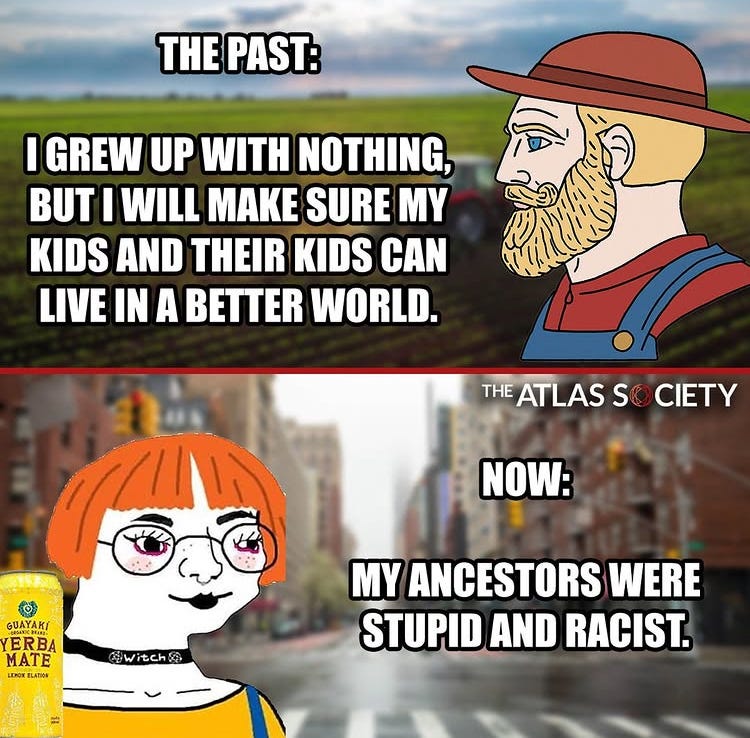





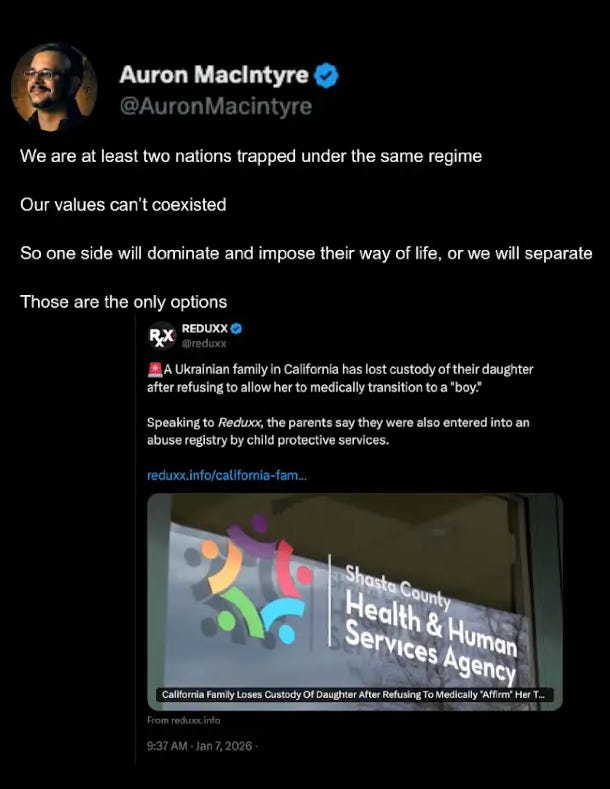

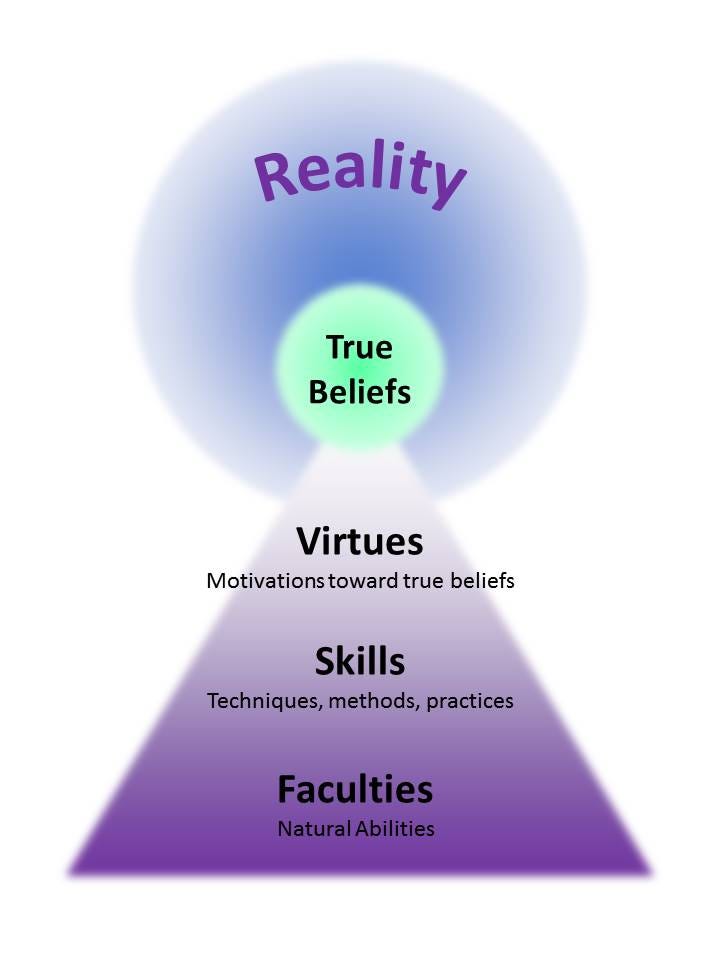
The depth of your piece for the return to community impressed me before you even mentioned Jacobs, who also had an impact on me in college. I had not appreciated her reach into broader social issues and these are insightful: "poverty has no causes. Only prosperity has causes” and “We expect too much of new buildings, and too little of ourselves."
Excellent compendium.
Have you ever read Iain McGilchrist? He starts in a very different place than you do but has similar conclusions about what the modern West, in his view, left hemisphere psychotic as a whole, needs: local community, art, body (against gnosticism), and God.